the wire · #global · 2026-10-27
In the A.I. ‘Robogym,’ Machines Train to Be More Like Humans
Cech Tech Reviews
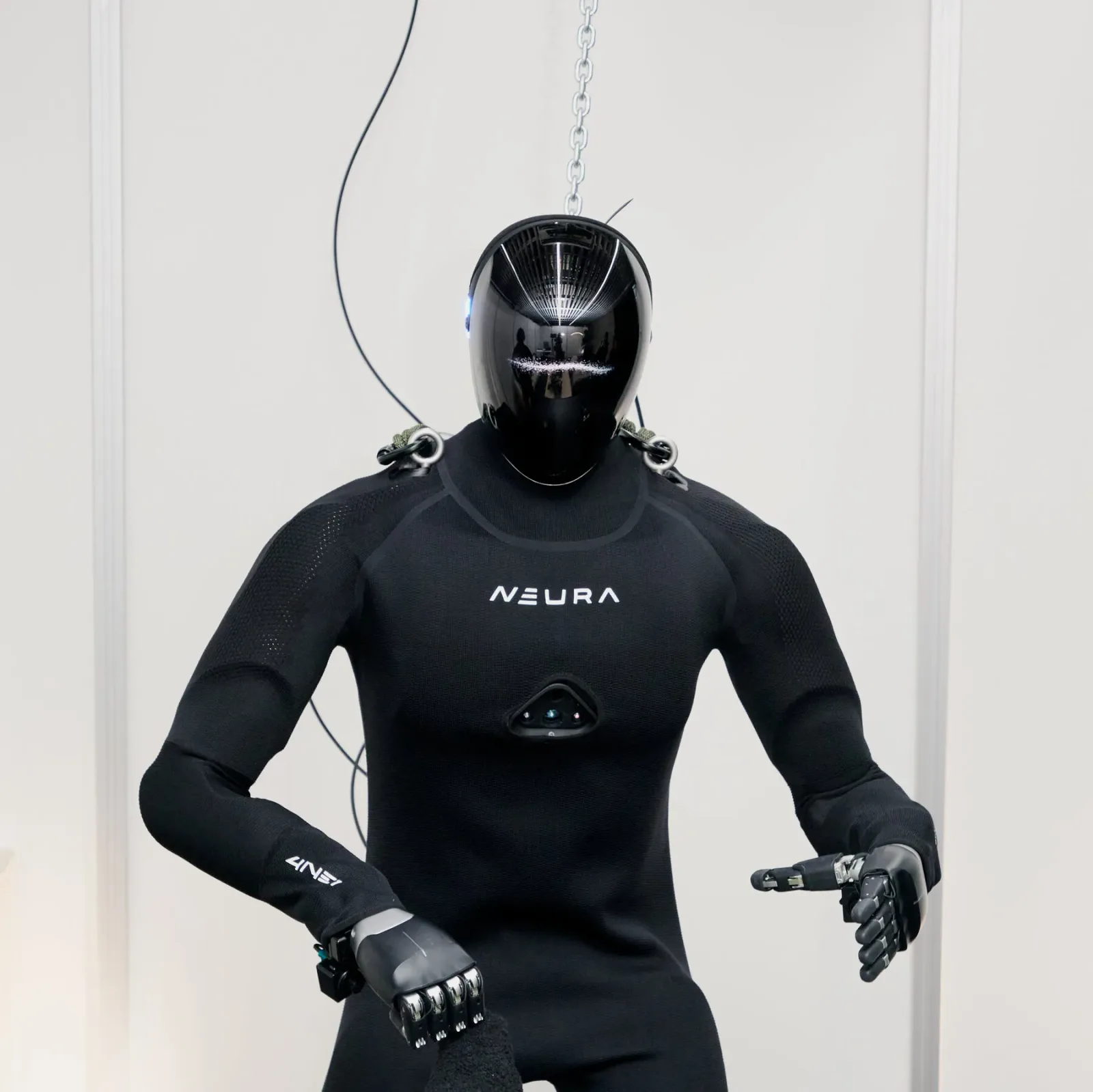
The race to dominate the next generation of robotics is heating up, and Germany’s Neura is betting that the key to victory lies in a concept they call the 'Robogym.' According to recent reports, this initiative represents a significant shift in how artificial intelligence interacts with the physical world. Instead of relying solely on digital data, these systems are being trained to navigate complex, real-world environments through rigorous simulation.
This approach is crucial for Europe, which is currently trying to close the technological gap with China. While Chinese manufacturers have made rapid strides in hardware production and deployment, European firms are focusing on the software and intelligence layers that make robots truly adaptable. Neura’s strategy highlights a broader industry trend where embodied AI is becoming just as important as large language models.
The 'Robogym' environment allows robots to fail safely in simulation before ever touching physical hardware. This accelerates the learning process significantly, as machines can run millions of trials in hours rather than weeks. It mirrors how human athletes train in gyms to build muscle memory and reflexes without the risk of immediate injury.
For AI enthusiasts, this signals a move away from purely cognitive tasks toward physical reasoning. Robots need to understand gravity, friction, and object permanence in ways that text-based models do not. By training in these simulated gyms, algorithms learn to generalize from limited data, making them more robust in unpredictable real-world scenarios.
The implications for the European tech ecosystem are profound. If Neura and similar companies can deliver reliable, intelligent robotic systems, they could attract significant investment and talent. This would help balance the global scale, which has long been tipped in favor of Asian manufacturing hubs. It also positions Europe as a leader in high-value, intelligent automation rather than just mass production.
Entrepreneurs should watch this space closely as the intersection of simulation and robotics matures. The ability to train agents in virtual environments before deployment is becoming a standard best practice for reducing costs and increasing safety. It is no longer enough to have a smart algorithm; it must also have a smart body.
What this means for you: If you are integrating AI into physical workflows, start experimenting with simulation tools. You can use these platforms to test robotic behaviors or automation logic before investing in expensive hardware. Try this prompt with your AI assistant to design a basic training scenario: 'Outline a step-by-step simulation workflow for training a robotic arm to pick up irregularly shaped objects, including key variables to adjust for difficulty.'
Reporting basis: original story
← back to The Wire