the wire · #gadgets · 2026-10-30
John Ternus defines his focus as Apple CEO with one word
Cech Tech Reviews
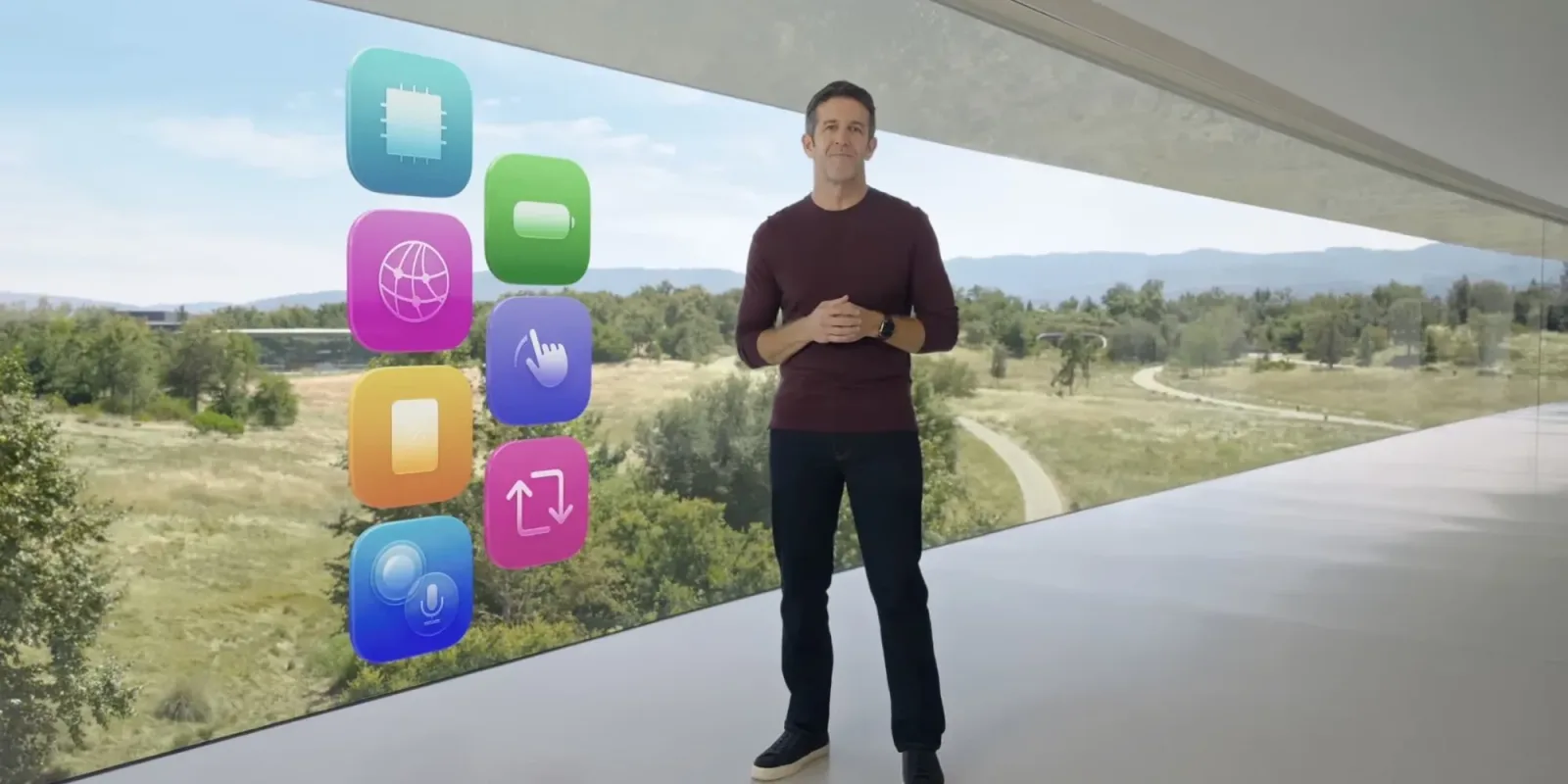
Apple has officially named John Ternus as its next CEO, and the immediate signal from his first major interview is clear. He is defining his leadership with a singular, decisive focus on hardware. This choice stands in stark contrast to the current industry trend where many tech giants are pivoting entirely toward software services and abstract AI models. According to recent reports, Ternus believes that the physical device remains the primary interface for user interaction and value creation.
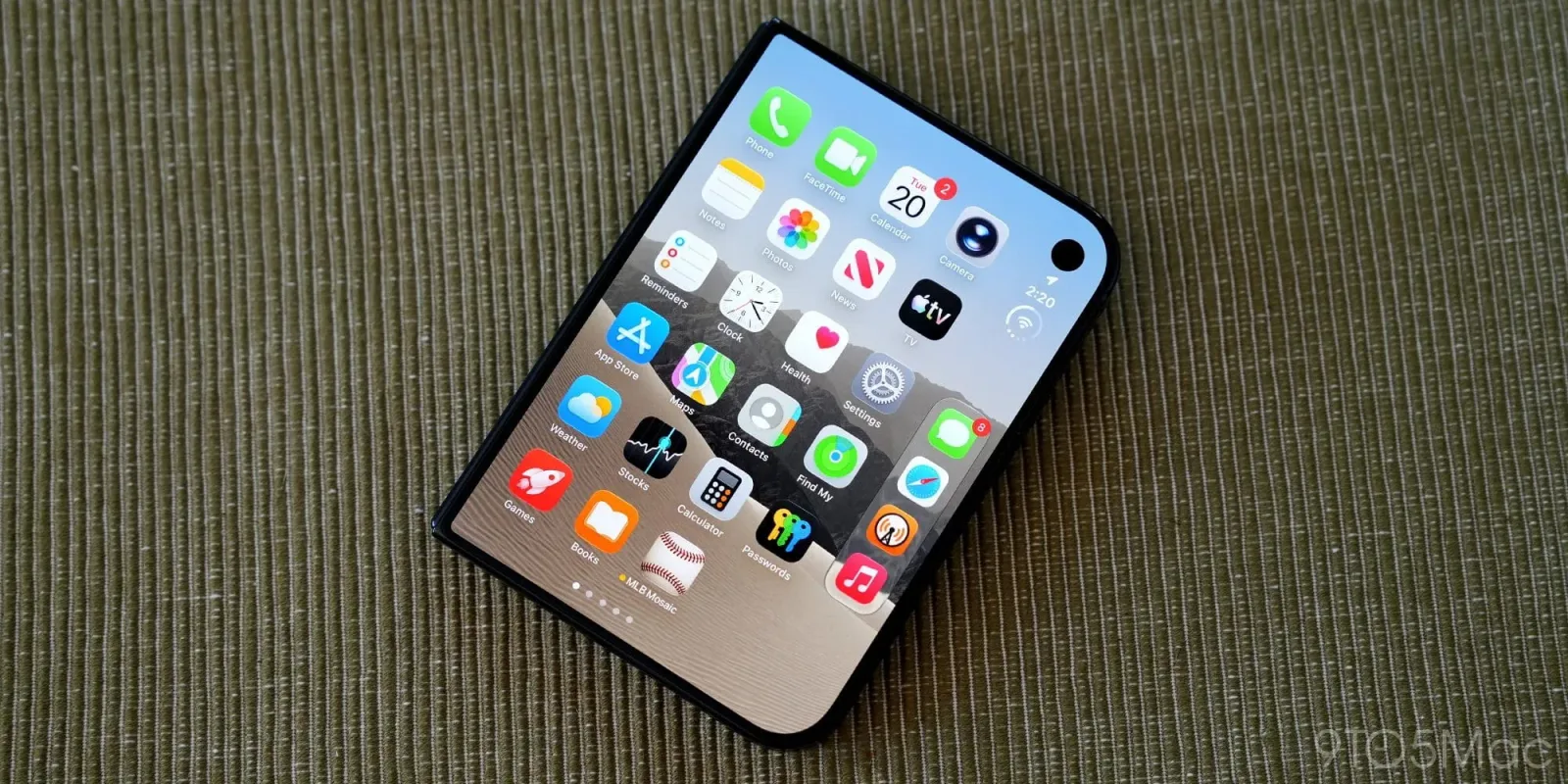
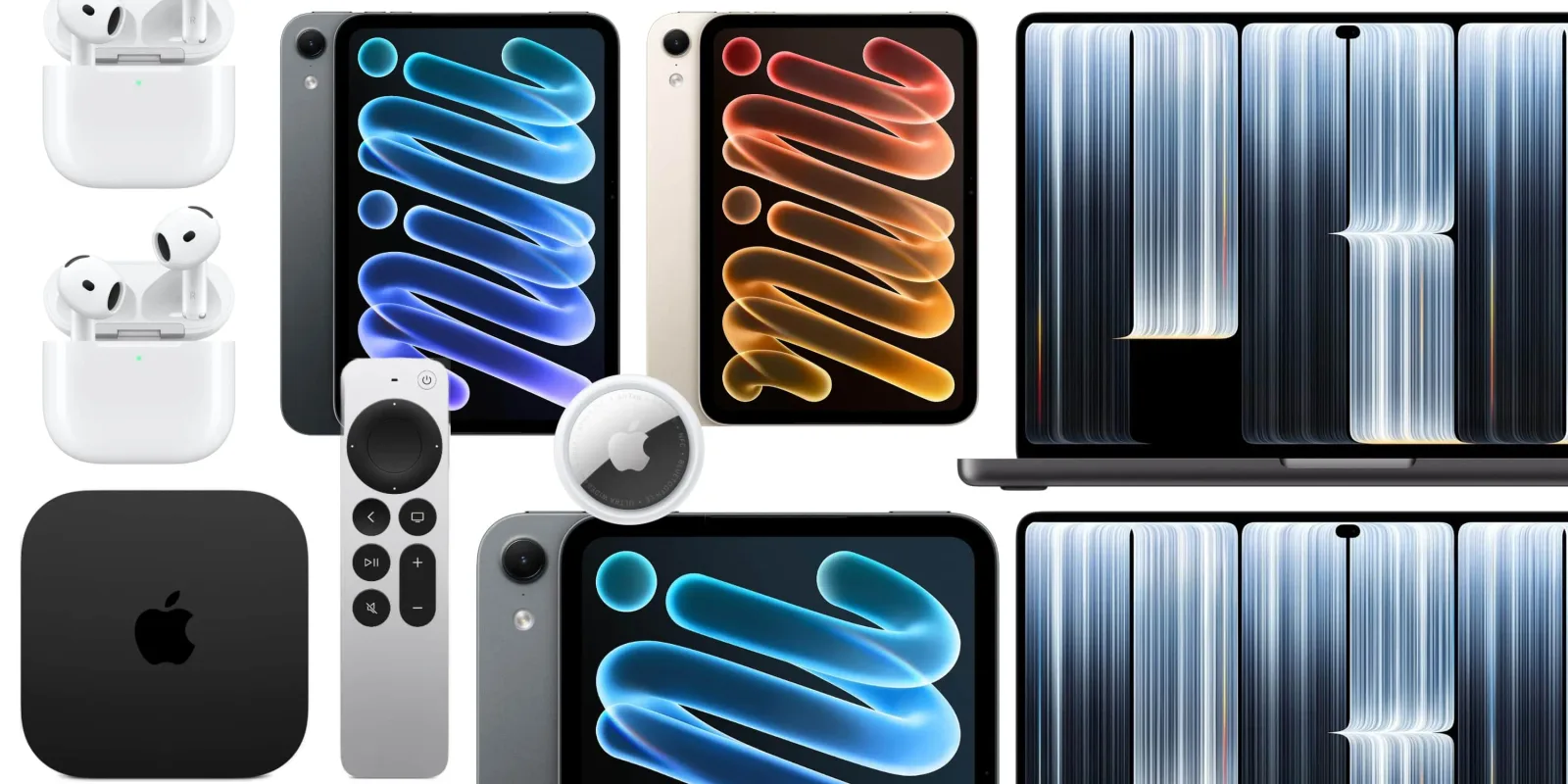
This hardware-centric approach aligns perfectly with the wave of major new products Apple has launched since his rise in leadership. It suggests that the company is doubling down on its legacy of engineering excellence rather than chasing fleeting software trends. For an industry often distracted by the hype of generative AI, this is a refreshing reminder that silicon and design still matter. The user experience is fundamentally tied to how well the device handles these new computational demands.
The implications for the AI sector are significant. Artificial intelligence is not just a cloud service anymore. It requires on-device processing to ensure privacy, speed, and reliability. By focusing on hardware, Ternus is positioning Apple to lead the next wave of edge AI computing. This means we can expect devices with specialized neural engines and optimized thermal designs rather than just better apps.
Investors and competitors should take note of this strategic clarity. While other companies struggle to monetize their AI investments through subscriptions, Apple is likely to embed value directly into the hardware upgrade cycle. This could extend the lifespan of their ecosystem by making devices more capable and indispensable. It is a long game that prioritizes customer retention through superior engineering rather than lock-in through software fees.
For professionals and enthusiasts, this signals a period of innovation in form factors and performance. We are likely to see a convergence of traditional computing with intelligent assistants that run locally. This reduces latency and enhances security, which are critical for enterprise adoption. The focus on tangible products means that the AI features will feel seamless and integrated rather than bolted on.
What this means for you is that your next device upgrade might be more impactful than usual. You should look for hardware that emphasizes local processing power and dedicated AI accelerators. When evaluating new tools, prioritize those that run efficiently on your device rather than relying solely on cloud connections. Try this workflow with your AI assistant: ask it to summarize a complex document and then request a local-only analysis of the key points to test your device's on-device capabilities. This helps you understand the practical benefits of the hardware focus Ternus is championing.
Reporting basis: original story
← back to The Wire