the wire · #gadgets · 2026-10-30
Apple’s best MacBook Pro decision this week had nothing to do with touch
Cech Tech Reviews
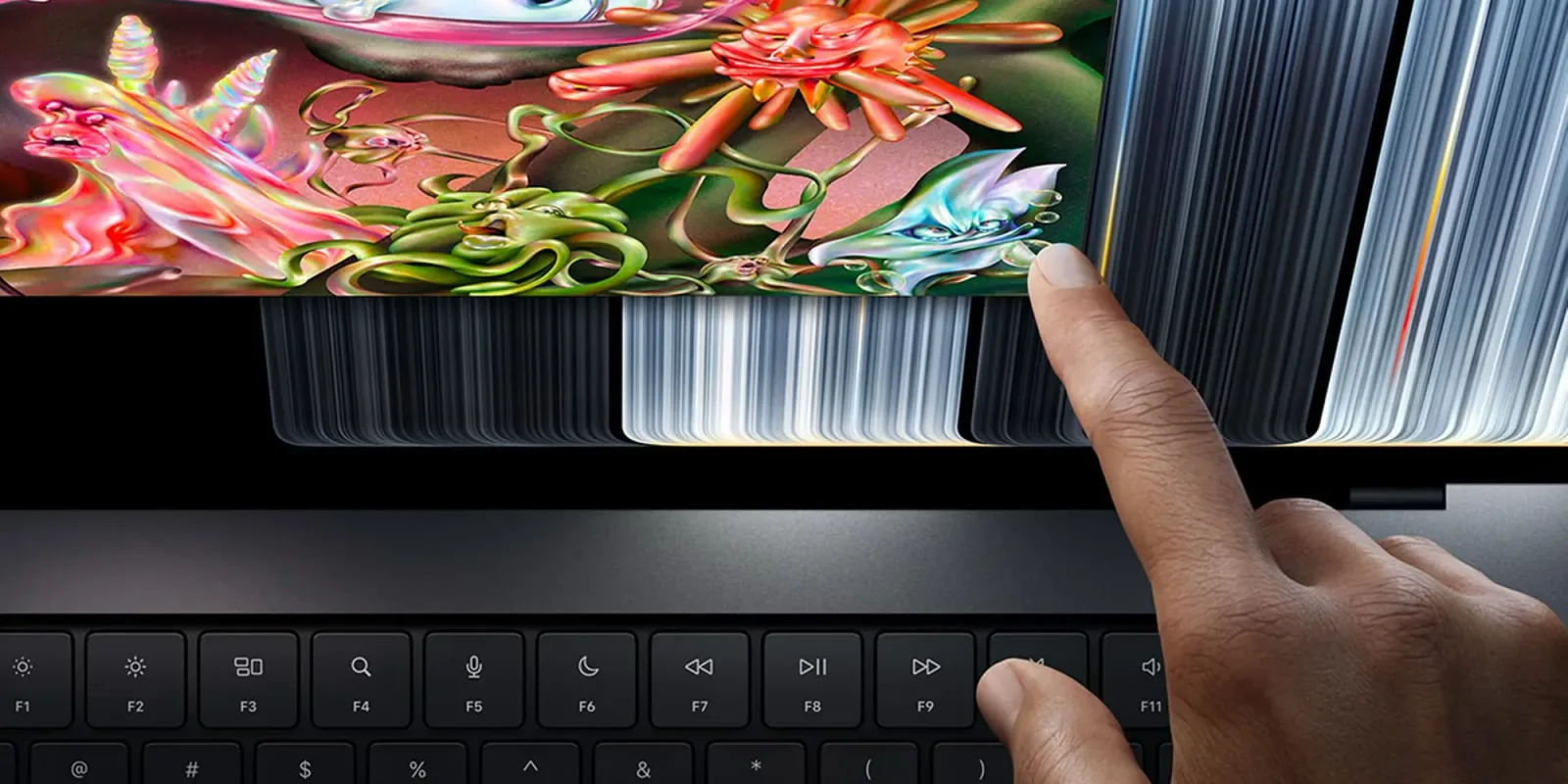
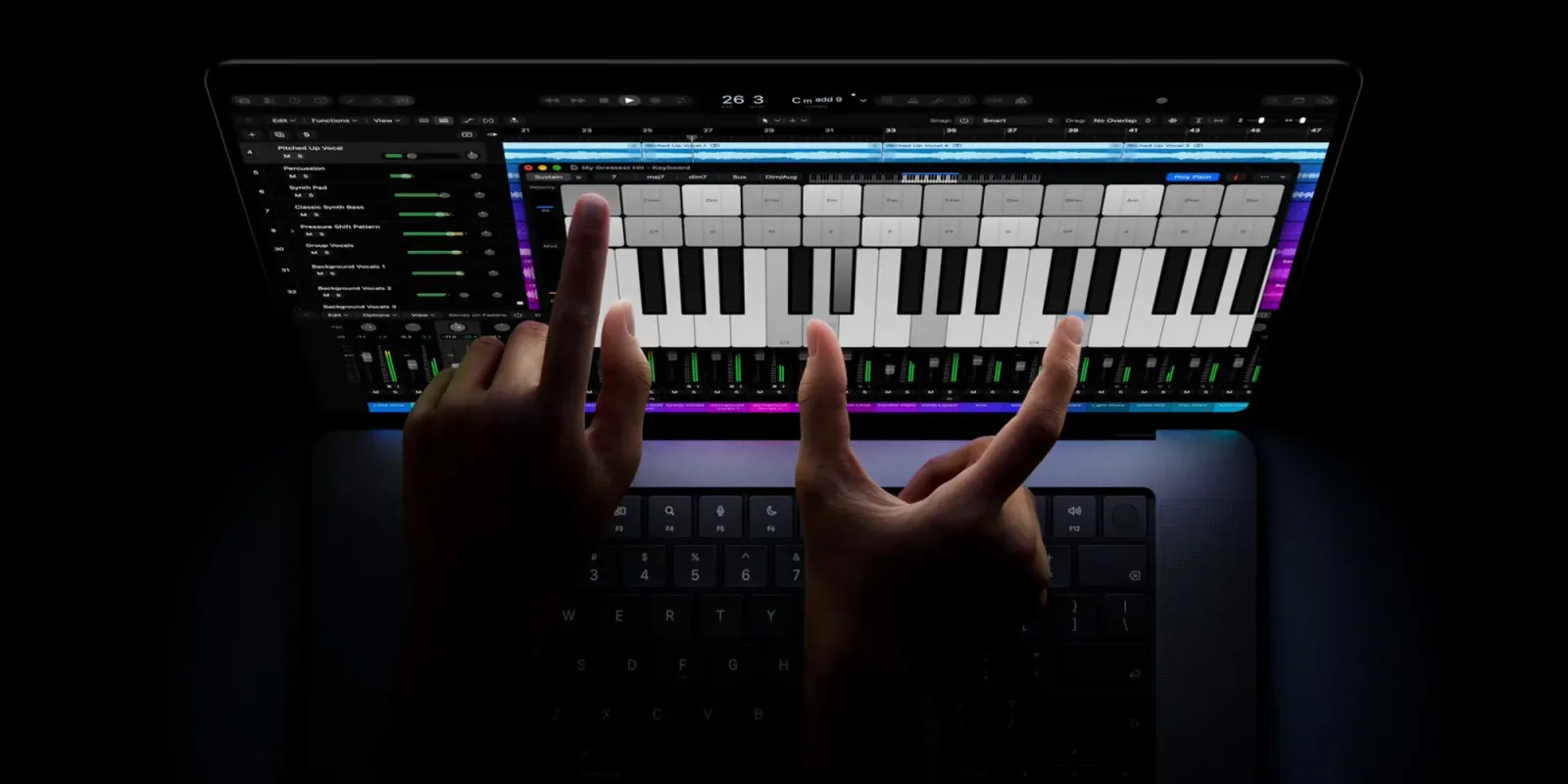
Apple’s recent MacBook Pro update has generated a significant amount of chatter regarding its hardware specifications. The device features welcome upgrades in processing power and display technology. However, the most notable aspect of this launch is not what was added to the machine. It is what Apple deliberately chose to exclude from the design.
According to TechCrunch, the company decided against implementing a touchscreen interface on its professional laptops. This decision might seem counterintuitive given the industry trend toward hybrid devices. Yet, it reflects a deep understanding of how professional users actually interact with their tools. The absence of touch capability preserves the integrity of the traditional laptop form factor.
This restraint is particularly relevant for the AI and software development communities. Many professionals rely on precise keyboard shortcuts and trackpad gestures for complex workflows. A touchscreen can introduce accidental inputs that disrupt deep focus states. By keeping the interface strictly visual and tactile, Apple ensures a consistent experience for power users.
The broader tech industry often conflates innovation with new input methods. We see tablets merging with laptops and phones adopting stylus support. Apple’s choice suggests that not every new technology improves the core user experience. Sometimes, refinement of existing tools provides more value than radical changes.
For AI developers and data scientists, this highlights the importance of interface stability. Your models and code require an environment that minimizes friction. Unnecessary features can become distractions rather than aids. Apple’s approach reminds us that hardware decisions should serve the workflow, not the other way around.
This philosophy aligns with the growing need for reliable infrastructure in AI operations. As we integrate more complex tools into our daily routines, consistency becomes paramount. Users need to trust that their devices will behave predictably under heavy loads. Touchscreens do not necessarily contribute to this sense of reliability in a professional setting.
What this means for you is that you should evaluate new hardware based on workflow efficiency rather than feature lists. When choosing tools for your AI projects, prioritize devices that support deep focus and precision. Consider trying this prompt with your AI assistant to optimize your current setup: analyze my daily software usage patterns and suggest three hardware or software adjustments that would reduce input friction and improve coding speed.
The lesson here is clear. Innovation is not always about adding more buttons or screens. It is about understanding the nuances of professional work. Apple’s decision to skip the touchscreen is a bold statement about user-centric design. It proves that restraint can be a powerful form of innovation in the tech industry.
Reporting basis: original story
← back to The Wire