the wire · #global · 2026-07-22
Lawsuit Against Meta Over Social Media Addiction Is Dropped
Cech Tech Reviews
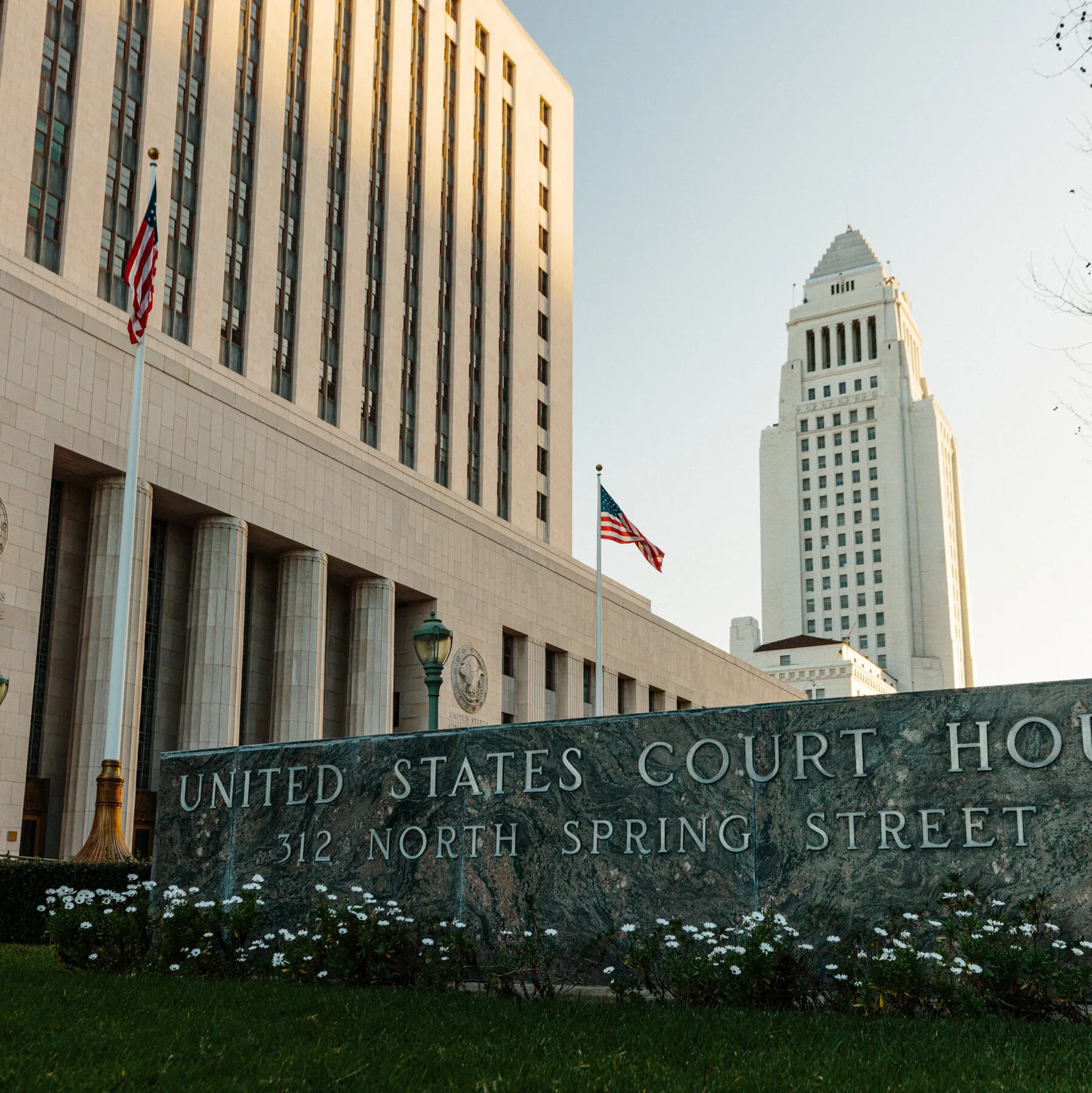
The legal landscape for social media giants just took a significant turn. Meta has officially dropped a high-profile lawsuit alleging that its platforms contribute to social media addiction. This strategic withdrawal comes at a critical moment for the tech industry, especially given the recent legal setbacks faced by both Meta and YouTube.
According to recent reports, the move serves as a notable reprieve for the company. It follows a March ruling where Meta and YouTube were found guilty of negligence and personal injury. That verdict was based on the argument that their platforms were designed with addictive features that harmed users. The contrast between those findings and this current dismissal is stark and warrants close attention.
This development underscores the complex legal battle over digital responsibility. Courts have struggled to define where platform design ends and user choice begins. The March ruling suggested that intentional design choices could lead to liability. However, the decision to drop this specific case indicates that the legal path to holding tech firms accountable remains fraught with procedural and evidentiary hurdles.
For AI enthusiasts and tech professionals, this signals a volatile regulatory environment. Companies are likely to reassess their risk management strategies. The fear of precedent-setting verdicts may drive more cautious approaches to user engagement metrics. Yet, the ability to drop cases also suggests that plaintiffs face an uphill battle in proving direct causation.
The broader implication here involves the future of algorithmic transparency. If platforms can avoid liability by dismissing cases or settling out of court, the incentive to change addictive design patterns diminishes. This dynamic could slow down the push for ethical AI and humane design principles in social media products.
Entrepreneurs building on these platforms must stay vigilant. Regulatory scrutiny is not disappearing; it is evolving. The March verdict showed that courts are willing to look at design ethics. The current drop shows that winning those arguments in court is still difficult. This duality creates a unique risk profile for digital businesses.
What this means for you: As you navigate the AI and tech space, remember that legal precedents are shifting but not settled. Use this volatility to your advantage by prioritizing ethical design and user trust. Here is a prompt you can use to audit your own digital products for potential liability risks: Analyze the user engagement features of my current product and identify three areas where addictive design patterns might create legal exposure under negligence claims. Suggest alternative design patterns that maintain engagement while reducing harm.
Reporting basis: original story
← back to The Wire