the wire · #topnews · 2026-07-10
Like a cheat code for your car: We investigate ECU tuning
Cech Tech Reviews
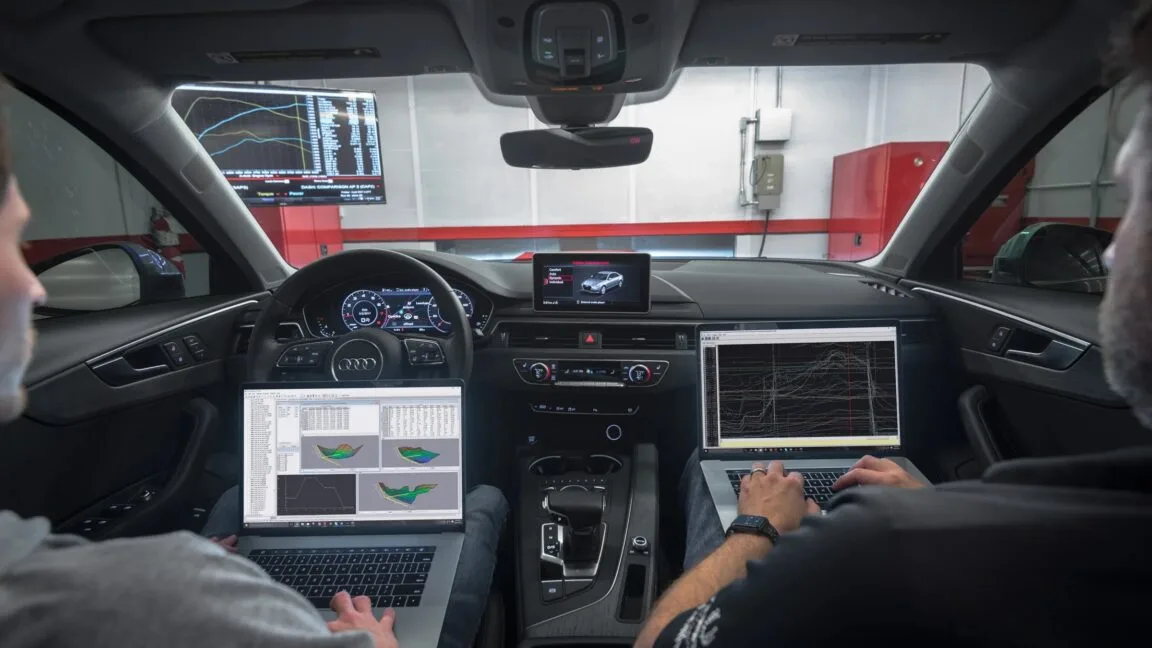
The aftermarket automotive performance industry has undergone a radical transformation over the last few decades. What was once a domain of mechanical tinkering and deep technical know-how has evolved into a digital battlefield. According to recent investigations, the process of extracting significant horsepower and torque boosts is now handled almost entirely through electric control units. This shift allows enthusiasts to tune naturally aspirated, turbocharged, or supercharged engines in mere minutes. It is a stark contrast to the hands-on labor of the past.
This digital evolution has made the process both easier for the end user and significantly more difficult for tuners. Modern vehicles are increasingly software-driven, turning the engine control unit into a complex piece of proprietary code. Original equipment manufacturers are tightening security protocols to protect their intellectual property and ensure vehicle integrity. This creates a high-stakes environment where tuners must navigate locked systems that were previously open to modification.
Alabama-based Audi Performance and Racing, known professionally as APR, exemplifies this new reality. The company has had to work harder each year to offer ECU tuning that delivers power while staying within factory parameters. They must ensure that their modifications do not compromise the overall reliability of the vehicle. This is a far more arduous process than it was in the early two thousands. Back then, the barriers to entry were much lower for skilled mechanics.
The challenge for companies like APR is not just about unlocking power. It is about maintaining the delicate balance between performance and longevity. As OEMs continue to tighten security, tuners must invest heavily in research and development. They need to reverse engineer systems without violating legal boundaries or damaging the hardware. This requires a level of sophistication that goes beyond simple chip swapping or basic remapping tools.
This trend mirrors broader shifts in the technology sector. Just as software locks down consumer electronics, automotive manufacturers are treating their vehicles as connected devices. This raises questions about ownership and the right to repair. Consumers are finding that their ability to modify their own property is increasingly restricted by digital rights management. The automotive industry is becoming a case study in the tension between innovation and control.
For AI enthusiasts and tech professionals, this is a relevant analogy for how AI models are being secured and monetized. Just as tuners must find ways to extract value from locked ECU systems, developers are navigating the constraints of proprietary AI APIs. The race to optimize performance within strict boundaries is a universal challenge in the digital age. It highlights the importance of understanding the underlying architecture of the tools we use.
What this means for you is that the future of customization lies in software literacy. Whether you are tuning a car or fine-tuning an AI model, understanding the system's constraints is key. You can try using an AI assistant to analyze the trade-offs between performance and reliability in your own workflows. Ask your AI to simulate scenarios where you push a system to its limits while maintaining stability. This helps you build a mental model of how to optimize without breaking the core structure.
Reporting basis: original story
← back to The Wire