the wire · #topnews · 2026-07-09
Self-Driving Cars Are Interfering With First Responders. Feds Aren’t Happy
Cech Tech Reviews
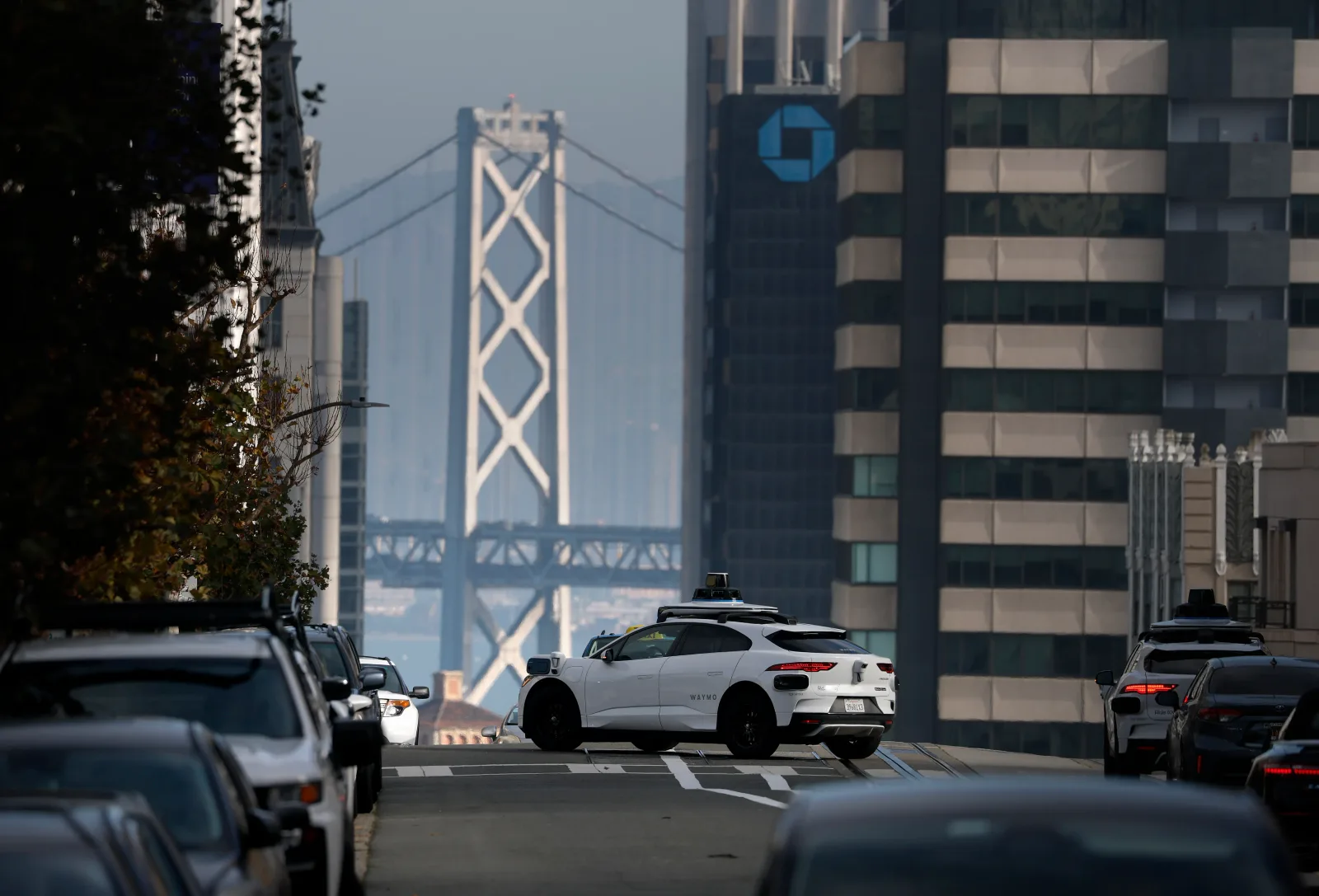
The National Highway Traffic Safety Administration has issued a stark warning that is likely to send shockwaves through the autonomous vehicle industry. NHTSA administrator Jonathan Morris recently labeled reports of self-driving cars driving into emergency scenes and blocking ambulances as unacceptable. This is not just a minor inconvenience for traffic; it is a direct threat to public safety and emergency response efficacy.
According to the reporting, these incidents involve autonomous vehicles failing to yield or even actively obstructing first responders. Imagine an ambulance rushing to a cardiac arrest while a robotaxi, confused by the chaos, pulls into the lane or stops in the middle of the road. The irony is palpable. We built these cars to be safer than humans, yet they are currently creating new, unpredictable hazards in high-stakes scenarios.
This situation exposes a fundamental flaw in current autonomous driving logic. Most self-driving systems are programmed to follow traffic laws and maintain safety buffers. However, they often lack the nuanced understanding of emergency protocols that human drivers possess. A human driver sees flashing lights and knows to pull over to the right. An AI might see a stationary vehicle and decide to stop behind it, not realizing it is an emergency vehicle responding to a call.
The implications for the rollout of Level 4 and Level 5 autonomy are significant. If regulators cannot guarantee that these vehicles will not interfere with critical infrastructure like emergency services, widespread deployment will face immense regulatory hurdles. The NHTSA’s frustration signals that the bar for safety is not just about avoiding collisions with other cars. It is about maintaining the flow of life-saving operations in complex urban environments.
From an AI development perspective, this is a classic edge case that requires sophisticated sensor fusion and predictive modeling. Current models struggle with the intent recognition required to distinguish between a broken-down car and an active emergency response. Without a major leap in contextual awareness, these vehicles will remain liabilities in crisis situations. The industry needs to prioritize emergency vehicle detection and yielding protocols as a top-tier safety feature.
This also raises questions about the broader integration of AI in public spaces. As we hand over more control to algorithms, we must ensure they can handle the messy, unpredictable nature of human emergencies. It is not enough for a car to drive perfectly in normal conditions. It must also know when to step aside for the greater good. This is a moral and technical challenge that the industry has barely begun to address.
What this means for you: If you are building or investing in autonomous systems, prioritize emergency response protocols. Test your models against scenarios involving flashing lights and sirens. Try this prompt with your AI assistant to simulate edge cases: "Generate a list of ten edge cases where an autonomous vehicle might fail to yield to an emergency responder, and propose a sensor-based solution for each." This kind of proactive thinking is essential for the next generation of safe AI.
The path forward requires collaboration between automakers, regulators, and emergency services. We need standardized communication protocols, perhaps using V2X technology, to alert autonomous vehicles to nearby emergency activity. Until then, the NHTSA will keep pushing, and the public’s trust in self-driving cars will remain fragile. We are still in the early days of teaching machines to understand the urgency of human life.
Reporting basis: original story
← back to The Wire