the wire · #topnews · 2026-07-10
What Watching a Soccer Final Does to Your Body, According to Science
Cech Tech Reviews
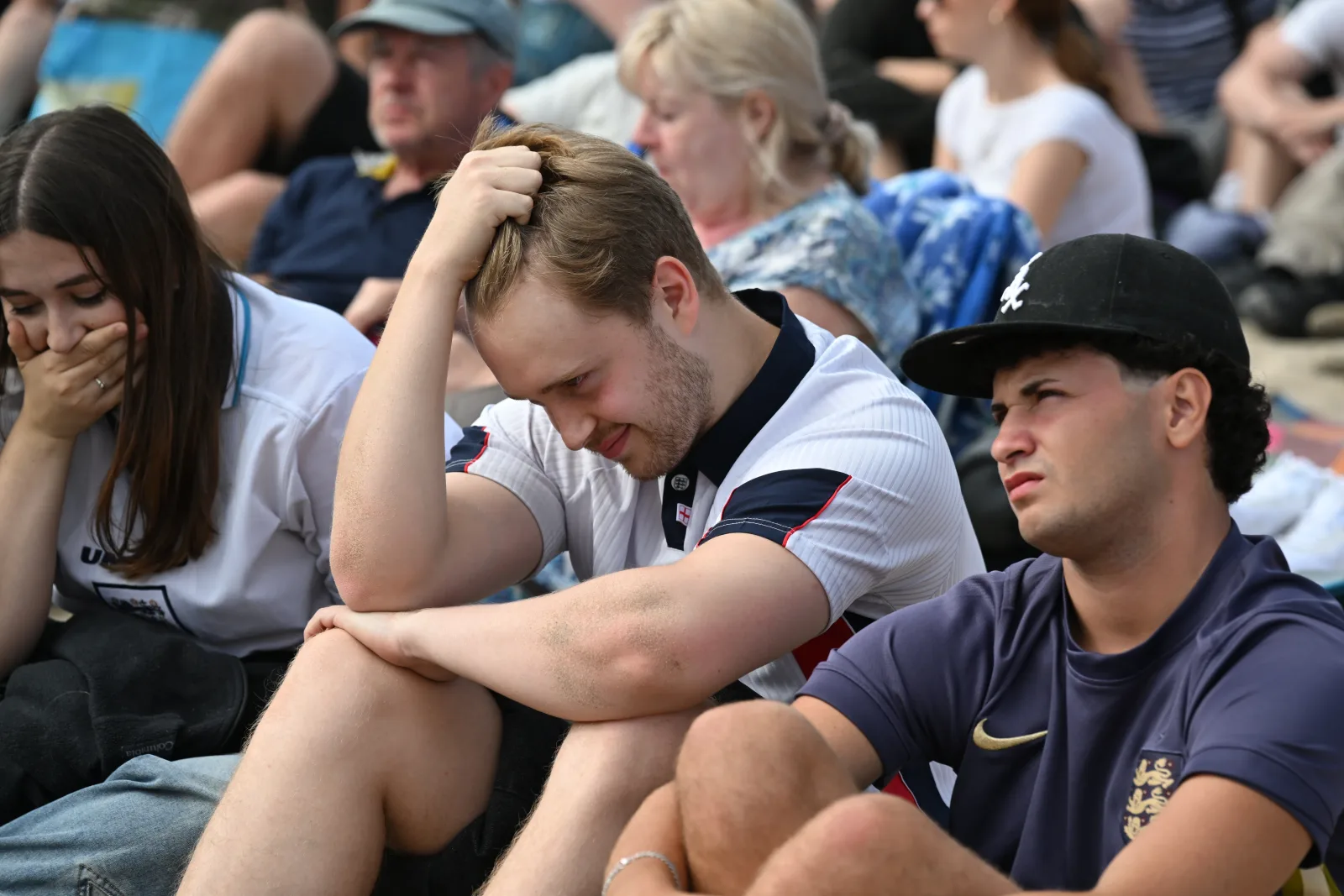
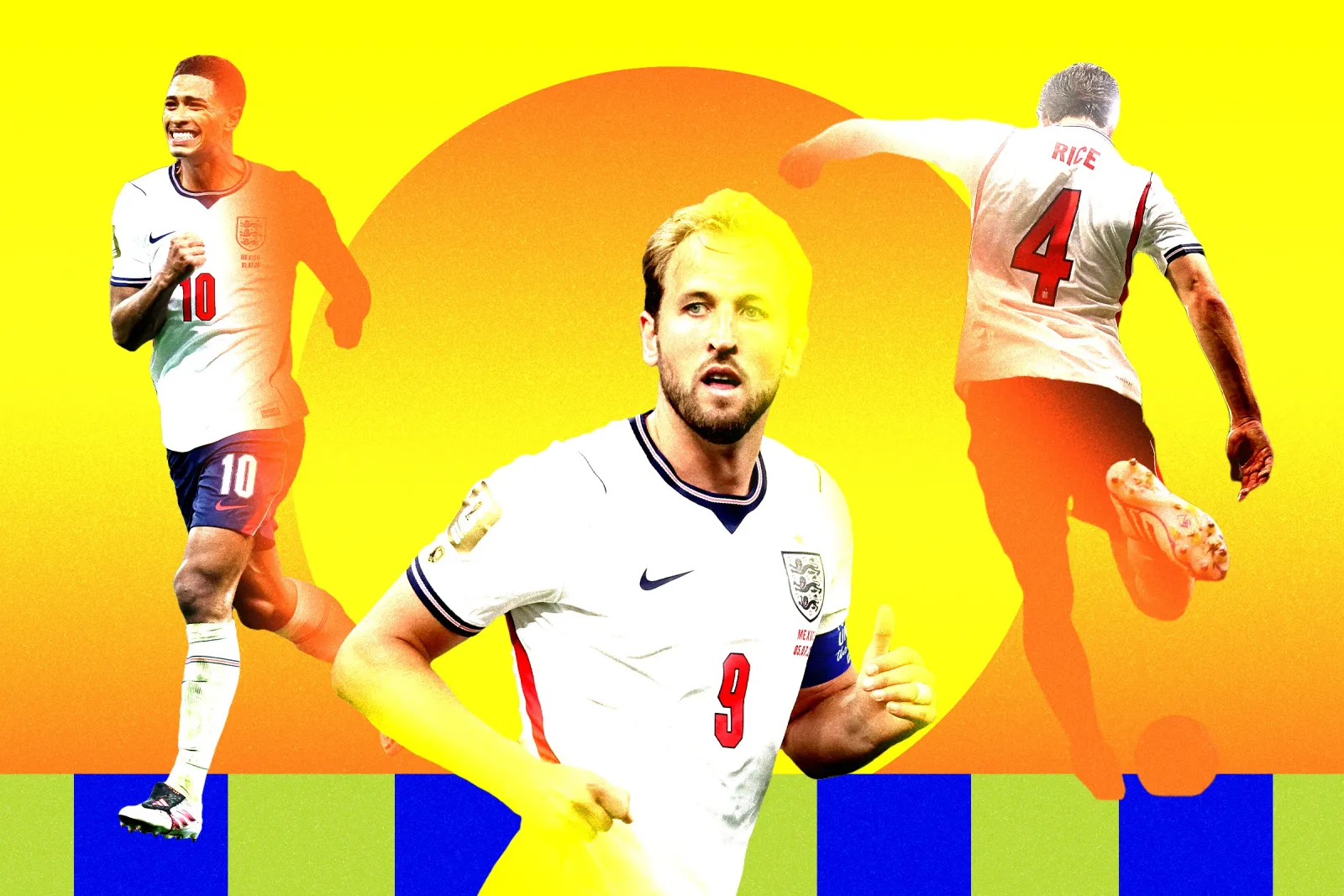
A fascinating new study published in the medical literature has tracked the physical responses of hundreds of soccer fans as their favorite teams advanced to a tournament final. The findings are stark and undeniable. According to the reporting, stress levels and heart rates did not just fluctuate; they skyrocketed during these critical moments of competition.
This is not merely about the excitement of the game. The data suggests that the human body reacts to digital and spectator sports with the same intensity as physical exertion or genuine danger. For the average viewer, the stakes feel real enough to trigger a full physiological stress response. This blurs the line between passive entertainment and active physical strain.
From an AI and tech perspective, this highlights a growing disconnect in how we interpret our own biometric data. We wear devices that track our heart rate variability and stress levels, yet we often ignore the context. We see a spike and assume something is wrong with our health, rather than recognizing it as a reaction to narrative tension. The body does not distinguish between a physical threat and a narrative one.
This has profound implications for the wellness technology sector. Companies building AI-driven health assistants need to account for emotional context. A sudden increase in heart rate during a movie or a match is not a medical emergency. It is a social and emotional event. Ignoring this nuance leads to false alarms and user fatigue in health monitoring apps.
The study also points to the power of communal experience. Watching a final is rarely a solitary act. The collective anxiety and joy amplify individual physiological responses. This suggests that future AI tools for social wellness might need to factor in group dynamics. Shared emotional states can intensify biological markers in ways that solitary activities do not.
For professionals in the tech industry, this serves as a reminder that human attention is a finite resource with a physical cost. The constant barrage of high-stakes content, whether in sports, news, or social media, keeps our nervous systems in a state of heightened alert. This chronic low-grade stress can have long-term health implications that go beyond the immediate moment of viewing.
What this means for you is that you should treat your biometric data with context. If your smartwatch flags high stress during a soccer match, do not panic. Recognize it as a sign of engagement, not illness. Use this awareness to set boundaries. Consider using AI tools to filter or mute high-stress notifications during critical viewing times to protect your mental and physical recovery.
Here is a workflow idea you can try. Set up an automation in your health app or calendar that triggers a breathing exercise or a quiet mode when you are scheduled to watch high-stakes events. This simple intervention can help mitigate the physiological spike and keep your baseline stress levels more stable throughout the day.
Reporting basis: original story
← back to The Wire