the wire · #gadgets · 2026-08-18
macOS 27 Golden Gate makes one design decision that I would change for MacBooks
Cech Tech Reviews
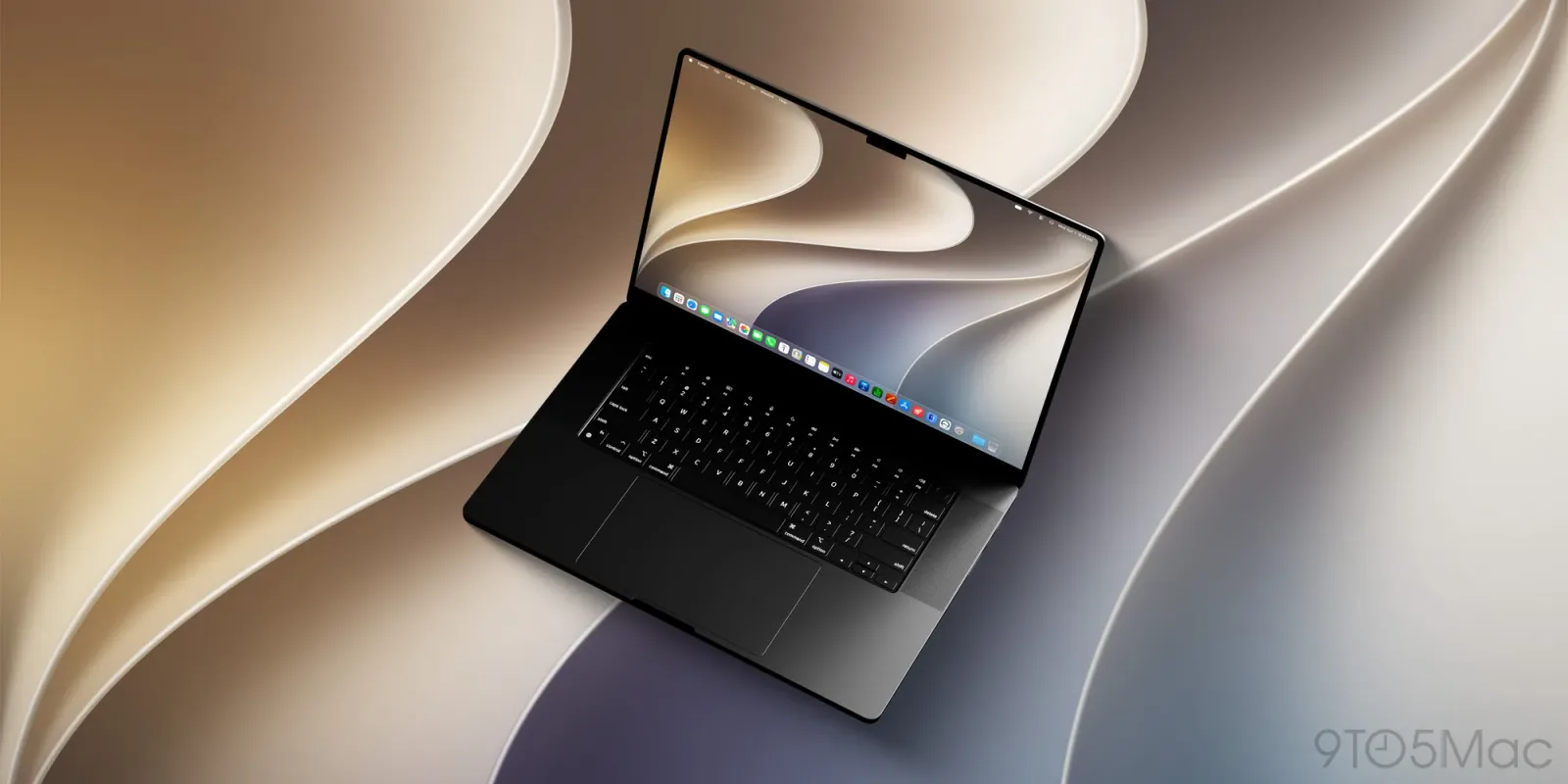
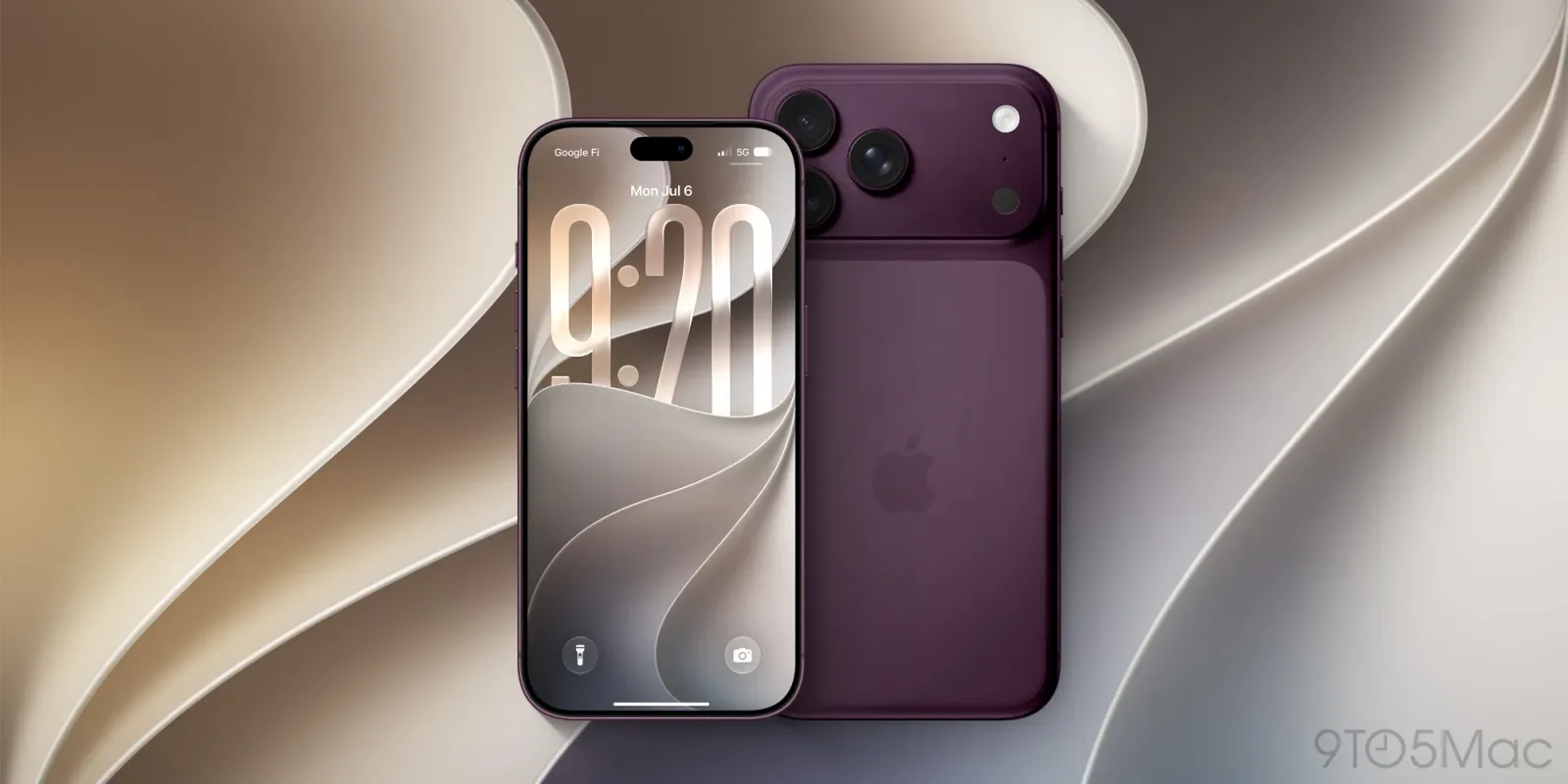
Apple’s latest betas for macOS 27 Golden Gate are rolling out with the kind of polish that usually signals a near-final release. According to the reporting, the update brings a wave of delightful changes that keep the operating system feeling fresh even in late August. This is a welcome shift for Mac users who often feel left behind by the rapid iteration cycles of iOS and iPadOS.
The headline feature that has generated the most discussion is the new swipe-down gesture designed to invoke Siri AI. While the integration of artificial intelligence into the core interface is a bold move, the execution here feels slightly misaligned with established user habits. The gesture is intended to make AI assistance more accessible, but it creates an immediate conflict with long-standing navigation patterns.
The primary issue arises from the overlap with the Notification Center. For years, swiping down from the top of the screen has been the universal way to access notifications on Apple devices. This muscle memory is deeply ingrained for millions of users. When a new gesture overrides this familiar action, it creates a jarring experience that disrupts workflow rather than enhancing it.
On the Mac, the situation is nuanced because the trackpad and mouse interactions differ from touchscreens. However, the gesture-based nature of modern macOS means that accidental triggers are a real concern. Users who frequently check notifications while working are likely to find themselves summoning Siri instead. This unintended consequence highlights the difficulty of balancing innovation with usability.
The author notes that there are already plenty of ways to summon Siri that do not interfere with core navigation. Voice commands, keyboard shortcuts, and the menu bar icon all provide reliable access without breaking existing habits. The decision to prioritize a swipe gesture over these established methods seems like a questionable trade-off for the sake of novelty.
This friction point is a microcosm of a broader trend in software development. As companies rush to integrate AI features, they often overlook the subtle ways users interact with their devices daily. The result is a learning curve that feels unnecessary and frustrating. Users want AI to be helpful, not to require them to relearn basic navigation.
What this means for you: As a professional relying on efficiency, you should test this gesture in a sandbox environment before adopting the update. If the conflict with your workflow is too great, consider disabling the gesture in accessibility settings if available. Try this prompt to help you draft a feedback report for Apple: "Draft a concise user feedback email explaining how the new Siri swipe gesture conflicts with Notification Center access on macOS, suggesting a toggle to disable it for power users."
Reporting basis: original story
← back to The Wire