the wire · #ai · 2026-09-24
Meet the next wave of VCs judging Startup Battlefield 200 at TechCrunch Disrupt 2026
Cech Tech Reviews
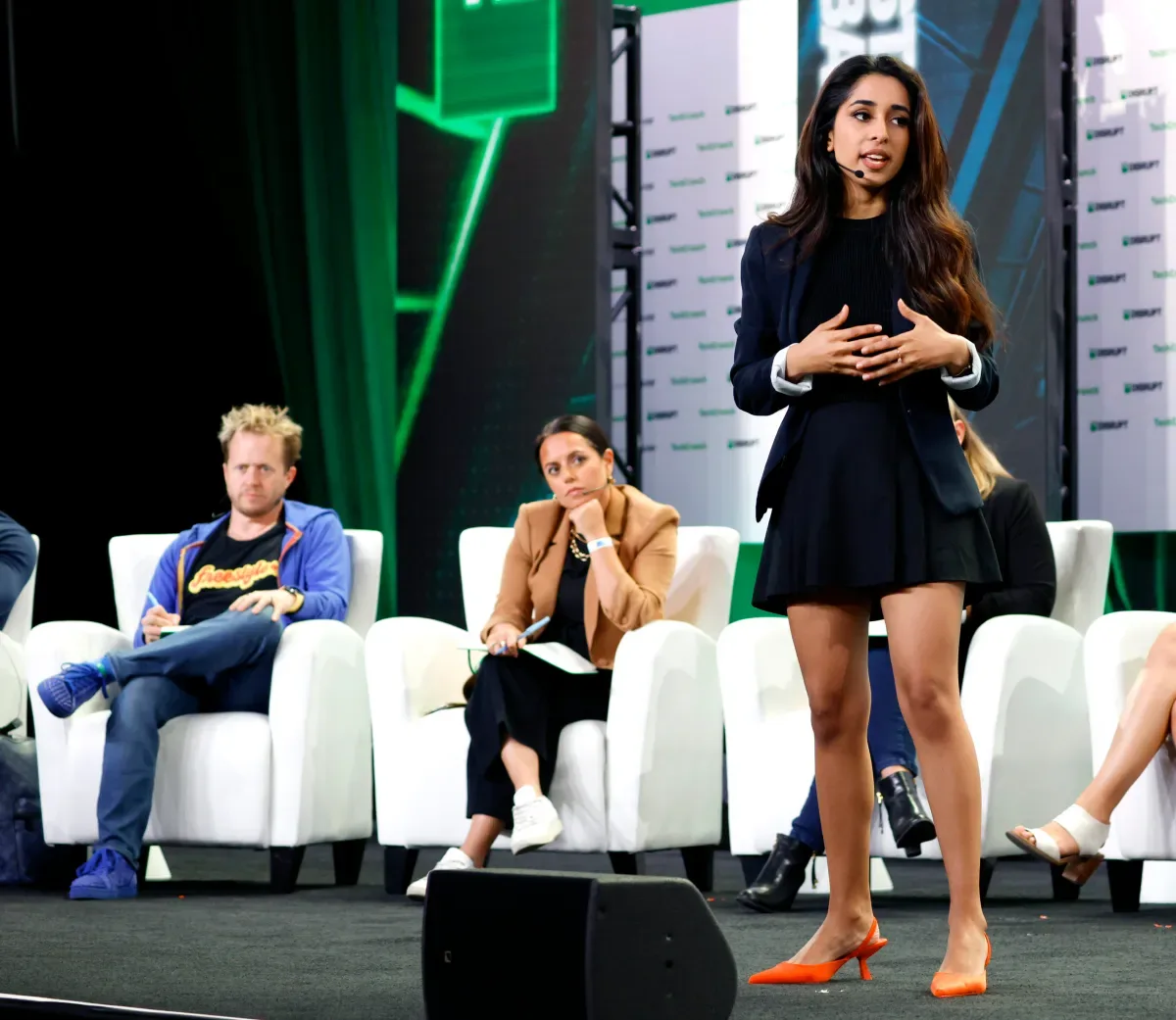
The venture capital landscape is shifting beneath our feet, and TechCrunch Disrupt 2026 is positioning itself at the epicenter of that change. According to recent announcements, the next wave of venture capitalists has been selected to judge the Startup Battlefield 200 contenders. This is not just a routine panel update. It is a clear signal of where the smart money is looking for the next big breakthrough in artificial intelligence and deep tech.
Startup Battlefield has always been more than a pitch competition. It is a barometer for market sentiment. When you see which firms are invited to sit on the main stage, you are seeing the future of funding rounds before they even happen. The selection of these specific VCs suggests a heightened focus on scalable AI infrastructure and practical enterprise applications rather than just consumer-facing chatbots.
The deadline to register is September 25 at 11:59 p.m. PT. This is a critical window for anyone serious about understanding the current investment climate. TechCrunch is offering a discount of up to $200 for early registrants. This is a practical incentive, but the real value lies in the front-row seat to one of the most intense startup pitch competitions in the industry.
Watching these pitches live provides insights that no blog post can replicate. You get to see how founders defend their technology under pressure. You observe which metrics matter most to investors in real time. Are they asking about data moats? Are they probing the unit economics of AI agents? The questions asked by these judges will define the standards for the next decade of AI entrepreneurship.
For entrepreneurs and AI professionals, this event is a masterclass in valuation. The judges represent the gatekeepers of capital. Their criteria will likely emphasize defensibility and clear paths to revenue. This is a stark contrast to the hype-driven funding rounds of previous years. The market is maturing, and the investors on this panel reflect that maturity.
The broader implication here is that AI is moving from a novelty to a necessity. The startups that survive this stage are those that can prove tangible value. They are not just building cool demos. They are solving expensive problems. This shift is crucial for anyone working in the AI space to understand.
What this means for you is that you should pay attention to the trends these VCs highlight. If you are building an AI product, study their questions. Use this event as a benchmark for your own pitch. You can even simulate this pressure by asking an AI assistant to role-play as a skeptical VC. Prompt it to critique your business model based on the criteria typically used in high-stakes pitch competitions. This will help you refine your messaging before you ever step into a real meeting room.
Reporting basis: original story
← back to The Wire