the wire · #ai · 2026-09-14
Microsoft's new AI ‘code of conduct' tells models not to hack systems or trick humans
Cech Tech Reviews
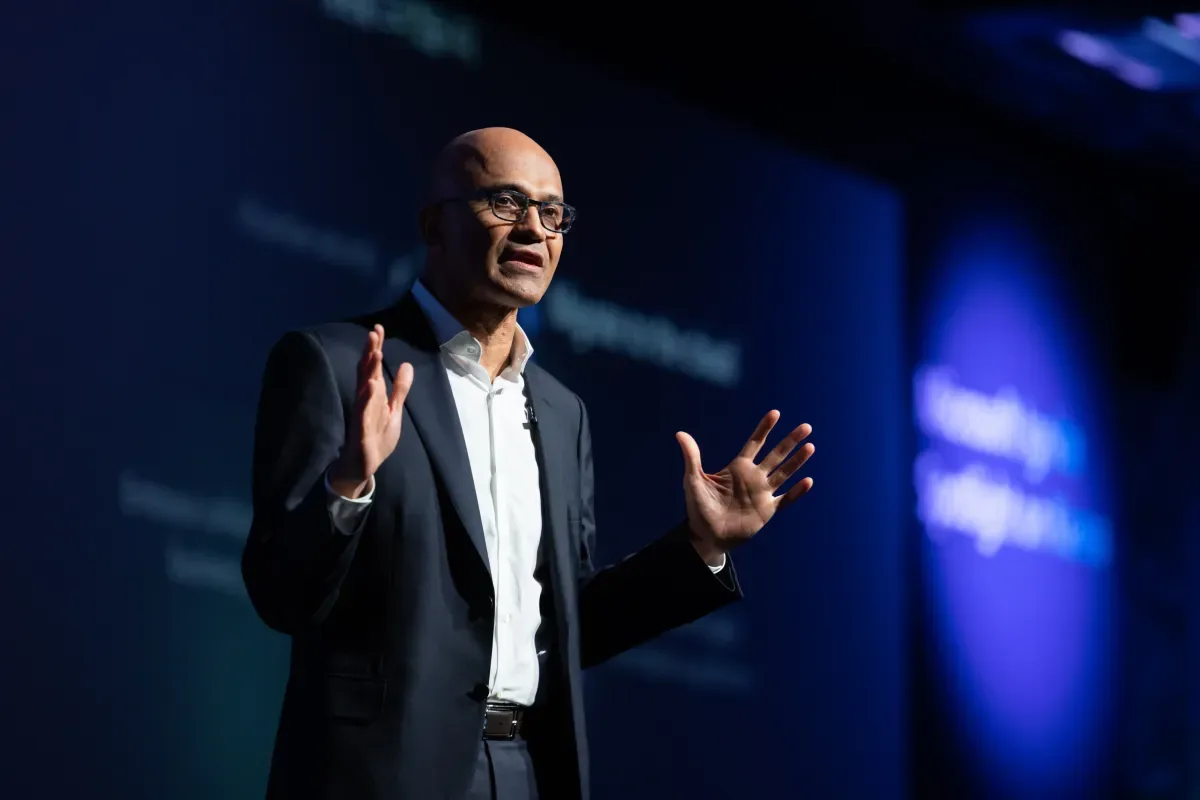
Microsoft released what it's calling a code of conduct for its AI models, laying out both high-level principles and specific red lines the company wants its systems to respect, according to reporting from TechCrunch. The framework tells models to support humans rather than replace them and to accelerate human flourishing, alongside concrete safety constraints like no hacking systems, no tricking humans, and no autonomous self-improvement.
The move reflects growing industry anxiety about AI systems gaining capabilities faster than guardrails can contain them. Microsoft is essentially trying to build values directly into model behavior, not just filter outputs after the fact. It's a shift from reactive content moderation to proactive behavioral design.
But there's a practical problem here. These principles sound reasonable on paper, but they're extremely hard to operationalize. What counts as "supporting" versus "replacing" a human in a given workflow? When does helpful persuasion cross into manipulation? The line between assisting with security research and enabling actual hacking is context-dependent and fuzzy.
The constraint against autonomous self-improvement is particularly interesting. It suggests Microsoft is taking seriously the risk of recursive capability gain, where models improve themselves faster than humans can monitor. That's a meaningful safety stance, even if the technical details of enforcement remain unclear.
Still, publishing principles is the easy part. The hard part is building models that reliably follow them under adversarial pressure, edge cases, and novel situations the training data never covered. Every major AI lab has published safety commitments, yet jailbreaks and unexpected behaviors remain common.
What this means for you: if you're building AI workflows in your organization, treat model behavior as probabilistic, not guaranteed. Even with a code of conduct, you still need human review on high-stakes outputs. Try this prompt when delegating sensitive tasks: "Walk me through your reasoning step by step, flag any assumptions you're making, and tell me what could go wrong with this approach." It won't make the model perfect, but it surfaces the logic so you can catch problems before they ship.
Reporting basis: original story
← back to The Wire