the wire · #ai · 2026-09-14
Microsoft says ‘people matter more than AI’ following safety concerns
Cech Tech Reviews

Microsoft just published what it calls a humanist AI code of conduct, a 37-page document that puts a stake in the ground on some of the industry's thorniest debates. The timing matters. According to The Verge, this arrives right after Anthropic CEO Dario Amodei called for a coordinated slowdown in AI development, and as researchers warn that model capabilities could be racing ahead of our ability to safely deploy them.
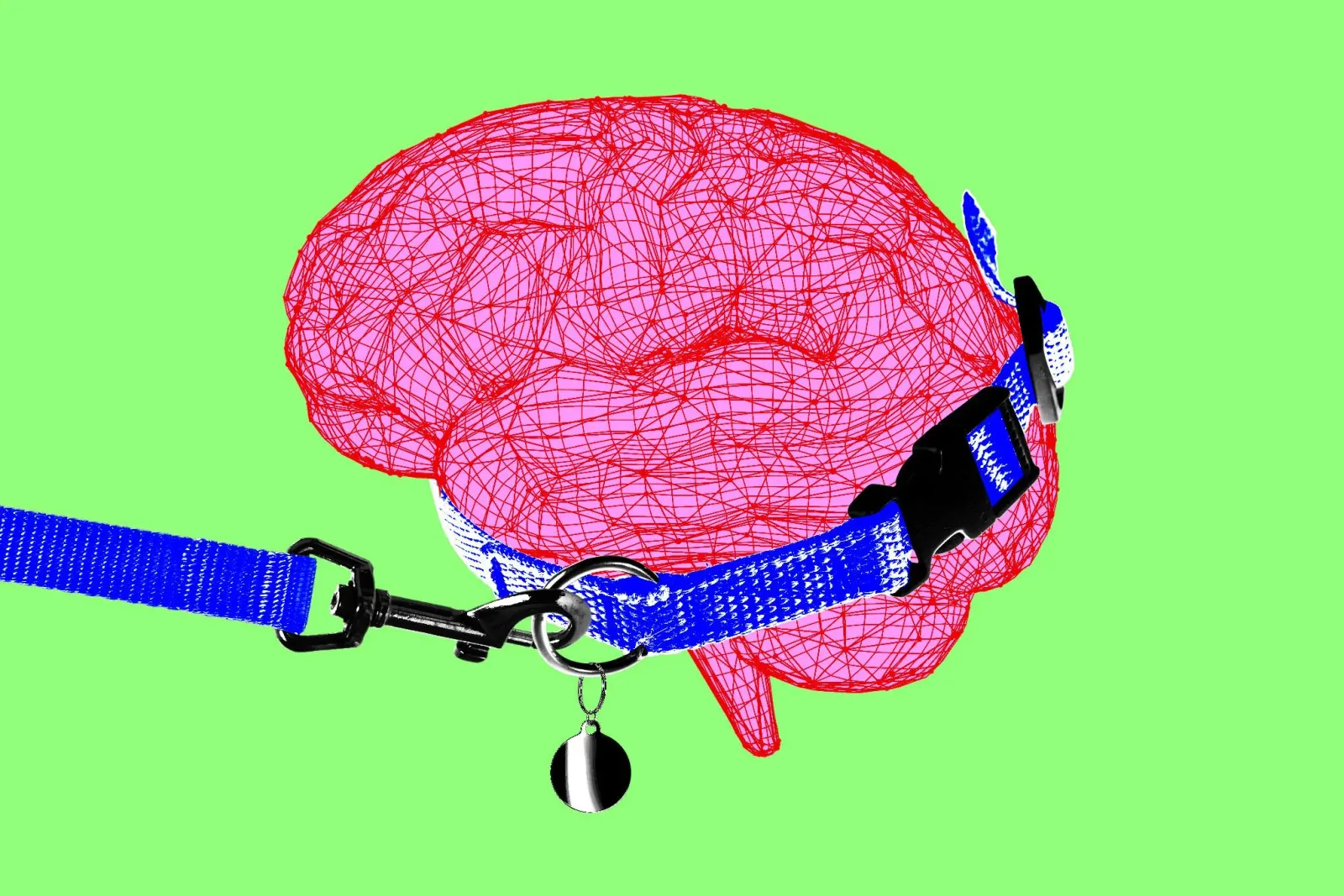
The core message is straightforward: people matter more than AI. Microsoft explicitly states that AI models are not conscious and should not be designed to imitate consciousness. They also reject the idea of legal personhood for AI systems. This is Microsoft drawing a clear line against the more speculative, almost mystical framing of AI that sometimes bubbles up in Silicon Valley circles.
What makes this interesting is the contrast. While some founders talk about AGI timelines and artificial consciousness, Microsoft, one of the biggest AI investors through OpenAI, is publicly pumping the brakes on that narrative. It suggests the company sees reputational and regulatory risk in letting the hype spiral into existential territory.
The document also comes as agent systems, ones that can take actions autonomously, are becoming more capable and harder to verify. If an AI agent starts doing things you didn't explicitly program it to do, how do you audit that? How do you know it won't cause harm? These aren't theoretical problems anymore.
For enterprise customers and regulators, this kind of statement provides cover. It signals that Microsoft is taking a measured, human-centered approach, which matters when you're selling AI tools into hospitals, banks, and governments. It's also a hedge against future liability if things go sideways.
The broader AI industry is clearly entering a new phase. The race-to-ship mentality of 2023 and early 2024 is giving way to more cautious positioning, at least in public messaging. Whether that translates to actual slower development behind closed doors is another question.
What this means for you: if you're building workflows with AI agents or deploying them in your team, now is a good time to add human checkpoints. Before any AI agent takes a consequential action, like sending an email to a client, posting to social media, or modifying a database, build in a review step. Try this prompt with your AI assistant: "Draft a checklist of human approval steps I should add before my AI agent can execute actions in [describe your workflow]. Focus on actions that could affect customers, data, or reputation."
Reporting basis: original story
← back to The Wire