the wire · #ai · 2026-09-13
Obama urges Democrats to have a ‘clear plan’ for AI safeguards
Cech Tech Reviews
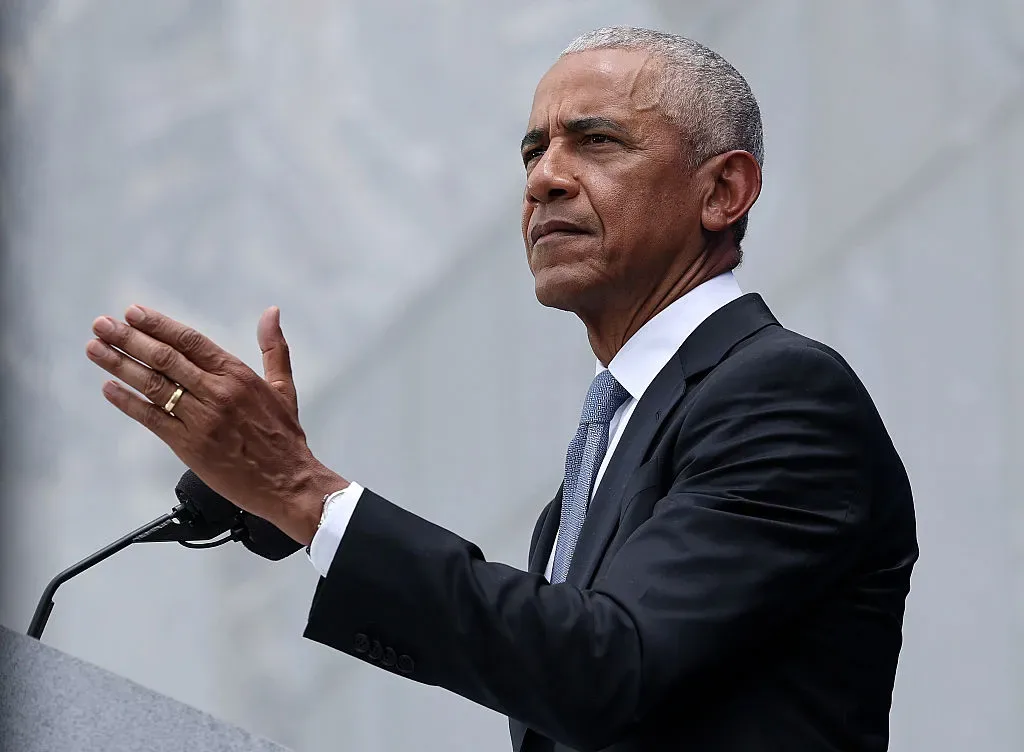
Former President Barack Obama has issued a direct call to action for the Democratic Party, urging them to elevate artificial intelligence to a central pillar of their political agenda. According to recent reports, he believes that AI can no longer be treated as a peripheral tech issue but must be integrated into the core policy discussions that define the party's platform. This is a significant moment because it signals that AI governance is moving from the realm of Silicon Valley engineers to the highest levels of political strategy.
The former president specifically highlighted the need for a very clear plan to address the dual concerns of economic impact and safety. He is not just asking for vague promises or future committees. Instead, he is pushing for concrete legislative and regulatory frameworks that can keep pace with the rapid evolution of generative models. This approach suggests that the current patchwork of state laws and voluntary corporate pledges is insufficient for the scale of change we are witnessing.
One of the most critical aspects of Obama's argument is the focus on economic disruption. As AI tools become more capable, they are reshaping labor markets in ways that were difficult to predict just a few years ago. The political party needs to articulate how it will protect workers, support retraining, and ensure that the productivity gains from AI are broadly shared rather than concentrated in the hands of a few tech giants. This is a practical concern for millions of professionals who are already feeling the pressure of automation.
Safety concerns also take center stage in this proposed agenda. The risks associated with deepfakes, algorithmic bias, and potential misuse of powerful models require a robust safety net. Obama's call for a clear plan implies that we need standardized testing, transparency requirements, and perhaps even liability frameworks for developers. Without these guardrails, the public trust in AI technologies could erode, leading to stricter and less nuanced regulations later on.
This political push comes at a time when the industry is grappling with its own self-regulation limits. Many companies have released safety reports and ethical guidelines, but these are often voluntary and lack enforcement mechanisms. By demanding a clear plan from Democrats, Obama is essentially asking for the kind of structural accountability that only government can provide. This could lead to a more collaborative or contentious relationship between policymakers and tech leaders in the coming years.
For AI practitioners and entrepreneurs, this development is a clear signal to prepare for a more regulated environment. Compliance will not just be a legal checkbox but a core component of product strategy. Companies that proactively align with emerging safety standards and economic fairness principles will likely find themselves in a stronger position than those that resist or ignore these trends. The window for voluntary self-regulation is closing.
What this means for you is that you need to stay informed about policy developments that could affect your workflow. Regulatory changes may impact data usage, model transparency, and liability. To stay ahead, you should integrate ethical AI practices into your daily operations now. Try using an AI assistant to audit your current prompts and workflows for potential bias or data privacy risks. You can ask your AI tool to review your standard operating procedures and suggest improvements that align with emerging safety guidelines. This proactive approach will help you adapt quickly when new regulations are finally enacted.
Reporting basis: original story
← back to The Wire