the wire · #global · 2026-07-23
Nuclear Energy Revival Puts Westinghouse in Prime Position
Cech Tech Reviews
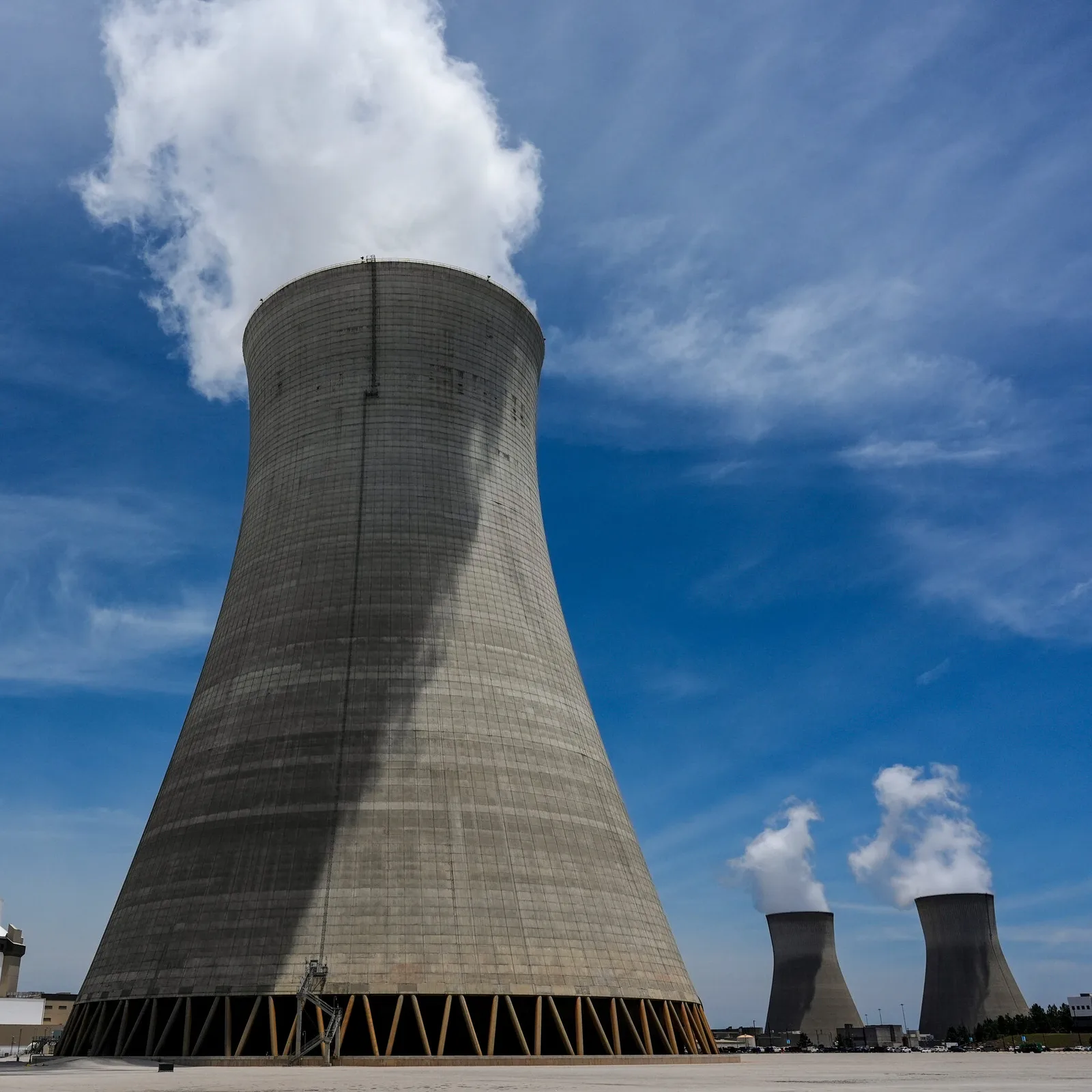
The narrative around Westinghouse has shifted dramatically in a very short period. This is a company that filed for bankruptcy protection back in 2017. For years, the nuclear sector seemed like a relic of the past, struggling with costs and public perception. Now, it is suddenly at the center of a global energy conversation. The revival is not just about nostalgia. It is about urgent needs for stable, carbon-free power.
According to recent reporting, the company stands to benefit from a growing wave of support for nuclear power. This is not happening in a vacuum. Governments and industries are realizing that renewables alone cannot meet the baseload power requirements of modern economies. Nuclear offers a consistent output that solar and wind simply cannot match without massive storage solutions. This practical reality is driving investment back into established nuclear technologies.
The political landscape is also playing a crucial role in this turnaround. President Trump’s recent deal with Saudi Arabia highlights a broader strategic shift. This agreement underscores the importance of energy security and diversification. It signals that major economies are willing to partner with nuclear technology providers to secure their power grids. Westinghouse is positioned to capitalize on this diplomatic and economic momentum.
What makes this particularly interesting is the technological context. Westinghouse’s AP1000 reactor design has faced scrutiny in the past. However, the current market environment is more forgiving of proven designs than innovative but unproven ones. Investors and governments are prioritizing reliability over novelty. This risk aversion plays directly into Westinghouse’s hands. They have a product that has been built and tested. That track record is now a valuable asset.
The broader implications for the tech industry are significant. We are seeing a convergence of energy policy and artificial intelligence. Data centers are massive consumers of electricity. Tech giants are actively seeking nuclear power to run their AI models. This creates a new customer base for companies like Westinghouse. The synergy between AI growth and nuclear energy is becoming a tangible economic driver.
This shift also changes the competitive landscape. New entrants in the small modular reactor space are gaining attention. Yet, Westinghouse’s scale and existing infrastructure give it an edge. The ability to deploy large-scale solutions quickly is critical. The company’s recovery is a testament to the cyclical nature of energy markets. What was once considered obsolete is now essential.
The financial markets are beginning to reflect this change. Stock prices and investment flows are moving toward nuclear suppliers. This capital influx will likely accelerate project timelines. It also validates the long-term viability of the nuclear sector. The bankruptcy of 2017 seems like a distant memory. The current trajectory suggests a robust future for the company.
What this means for you If you are working in energy, tech, or investment, keep a close eye on nuclear supply chains. The intersection of AI data center growth and nuclear power is a high-growth area. You can use an AI assistant to analyze recent policy documents and corporate filings related to nuclear energy. Try this prompt: "Analyze the last five years of news about Westinghouse and nuclear energy policy in the US and Saudi Arabia. Summarize the key drivers of investment and potential risks for new projects." This will help you understand the market dynamics better.
Reporting basis: original story
← back to The Wire