the wire · #ai · 2026-07-15
OpenAI finally launches hardware… for Codex
Cech Tech Reviews
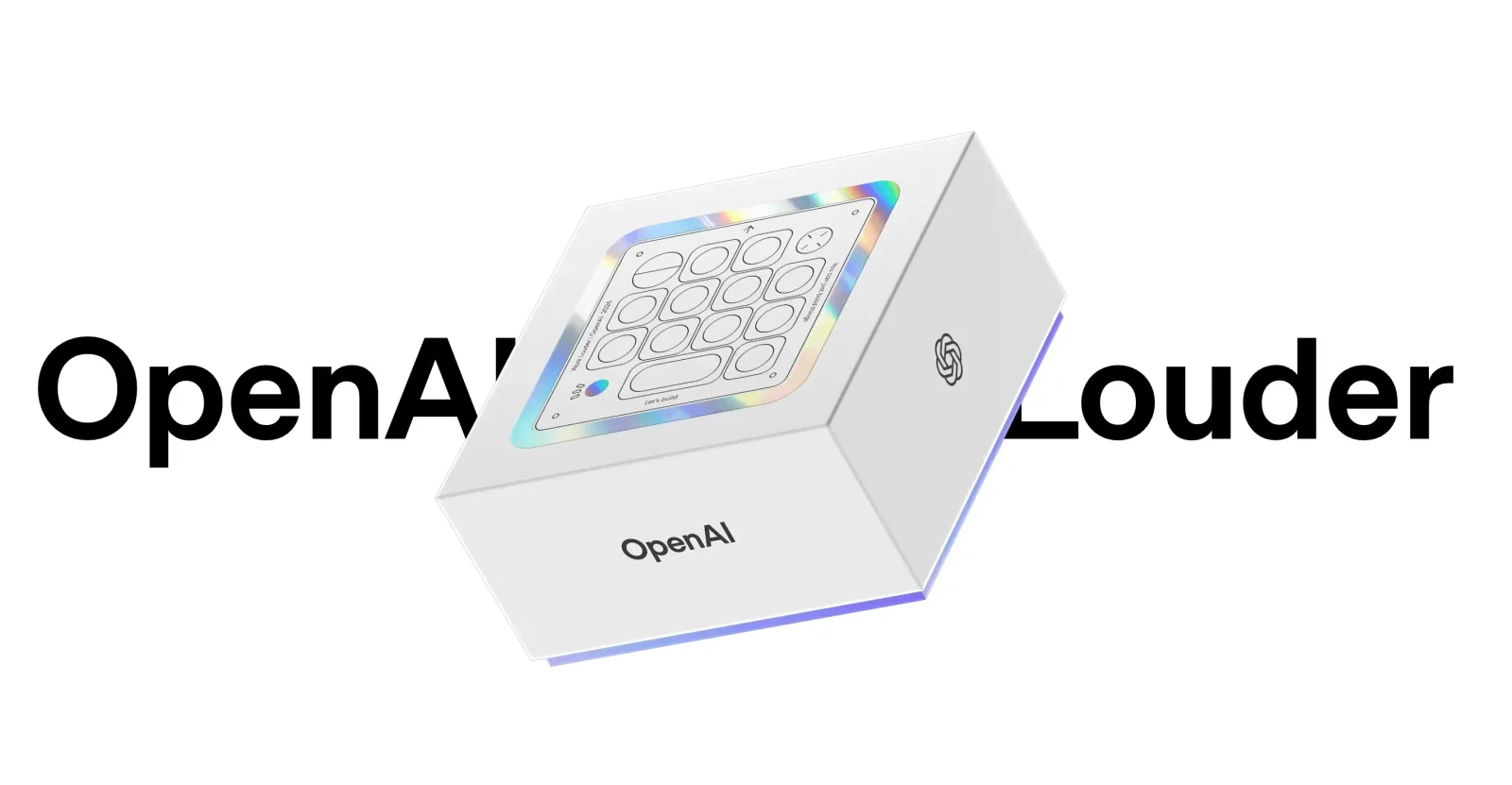
OpenAI has officially entered the hardware space, but not in the way most people expected. According to The Verge, the company is releasing the Codex Micro, a physical device designed specifically for its coding platform. This is a far cry from the mysterious AI-powered gadget rumored to be in development with former Apple design chief Jony Ive. That project remains entangled in legal disputes, so this new release is a pragmatic pivot rather than a flashy consumer product.
The device is a collaboration with keyboard maker Work Louder. It takes the form of a square block of buttons that closely resembles their existing Creator Micro 2. OpenAI describes it as a limited-run collaboration aimed at giving developers more intuitive ways to monitor and manage their AI agents. It is not a standalone computer but rather a specialized input tool for a specific workflow.
This move highlights a growing trend in the AI industry where physical interfaces are being reintroduced to enhance digital productivity. As AI agents become more complex, developers need better ways to control them without constantly switching between windows or typing commands. A dedicated hardware button can streamline these interactions, reducing friction in high-stakes coding environments.
The decision to partner with Work Louder is strategic. These companies already understand the needs of power users who value tactile feedback and customization. By leveraging their existing manufacturing and design expertise, OpenAI can launch a niche product quickly without building a hardware division from scratch. It is a low-risk entry into the physical device market.
For the broader tech ecosystem, this signals that AI is moving beyond pure software. Companies are starting to think about how hardware can complement AI capabilities, especially in professional settings. While the Jony Ive device captures public imagination, this Codex Micro addresses immediate practical needs for developers. It shows that OpenAI is willing to experiment with different forms of interaction to improve user experience.
The limited-run nature of the product suggests that OpenAI is testing the waters. They want to see if developers actually want physical controls for their AI agents before committing to a larger production run. This cautious approach allows them to gather feedback and refine the design based on real-world usage patterns.
What this means for you If you are using AI coding tools daily, physical controls might soon become a standard part of your setup. You can experiment with similar workflows today by using keyboard macros or custom shortcuts to automate repetitive tasks in your IDE. Try this prompt to optimize your current setup: "Analyze my most frequent coding commands in VS Code and suggest a custom keyboard shortcut mapping that reduces mouse usage and increases typing speed."
Reporting basis: original story
← back to The Wire