the wire · #ai · 2026-07-13
Sam Altman's space data center trash talk is what most experts already believe
Cech Tech Reviews
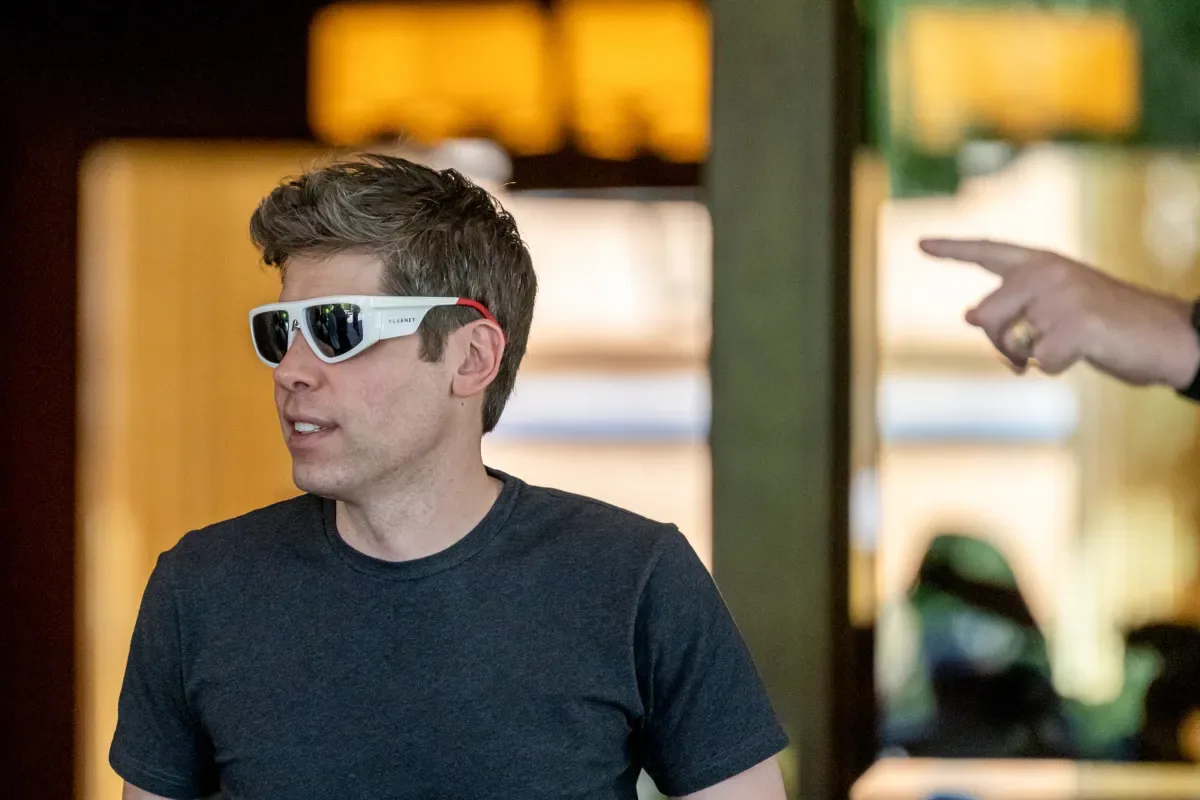
The latest dust-up between Sam Altman and Elon Musk has moved beyond typical tech bro posturing into a fascinating debate about the future of infrastructure. According to reporting on their exchange, Altman fired back at Musk’s accusations of being a scammer by pointing out the irony in Musk selling short-term space data center concepts to public market investors. This verbal sparring is not just about ego; it reveals a deeper fracture in how we view the physical limits of artificial intelligence.
Musk has long championed the idea that space offers a solution to Earth’s energy and cooling constraints for massive data centers. He has pitched this vision as a necessary evolution for handling the exponential growth of compute power. However, Altman’s retort suggests that this narrative might be more of a financial pitch than a technical reality. The implication is that the market is being sold a dream that does not yet align with engineering feasibility.
Most industry experts already share Altman’s skepticism. The logistical nightmare of launching heavy server racks into orbit and maintaining them in a vacuum is staggering. While the idea of using space for radiation-hardened computing or unique cooling environments is scientifically intriguing, the cost per watt of compute remains prohibitively high compared to terrestrial solutions. This disconnect between hype and hardware is a common theme in the AI infrastructure space.
The real story here is the tension between speculative finance and operational reality. Musk’s ability to rally investors around visionary concepts is undeniable, but it often outpaces the supply chain’s ability to deliver. Altman, representing OpenAI, is focused on immediate, scalable compute needs for training and inference. For him, the reliability of terrestrial data centers is paramount, making space-based alternatives look like a distraction or a speculative bet rather than a core strategy.
This debate also highlights the broader trend of AI companies seeking any edge in the compute arms race. As demand for GPU clusters skyrockets, leaders are exploring every possible avenue to secure capacity. Whether it is custom silicon, liquid cooling innovations, or orbital data centers, the pressure to innovate is intense. However, not every idea survives the transition from pitch deck to production line.
The public nature of this argument serves as a cautionary tale for investors and entrepreneurs alike. It underscores the importance of distinguishing between transformative technology and marketing narratives. In the AI sector, where capital flows rapidly, critical analysis of infrastructure claims is essential. The market needs to see working prototypes and clear economic models before accepting orbital data centers as a viable near-term solution.
What this means for you: As an AI professional, stay grounded in the metrics that matter. When evaluating new infrastructure claims, look for concrete data on latency, energy efficiency, and maintenance costs rather than relying on visionary narratives. Use this critical lens to assess which AI tools and platforms are backed by realistic engineering plans. Try this prompt with your AI assistant to analyze a new tech claim: 'Critique the feasibility of [specific technology claim] by listing three major engineering hurdles and comparing its current cost structure to established terrestrial alternatives.'
Reporting basis: original story
← back to The Wire