the wire · #ai · 2026-07-13
Waze is getting a bunch of new AI-powered features
Cech Tech Reviews
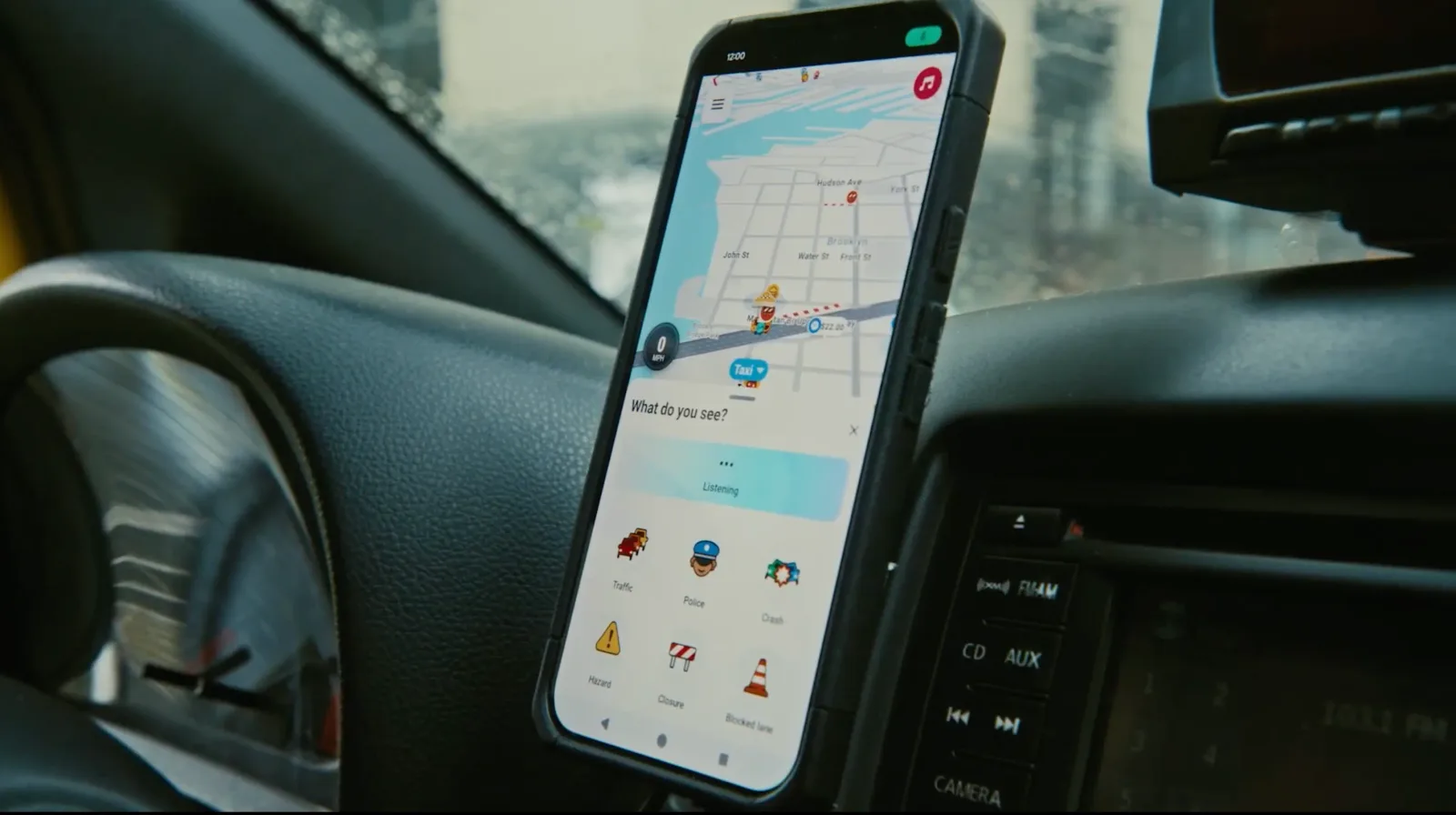
Waze is undergoing a significant transformation by integrating Google's flagship Gemini AI assistant directly into its navigation app. According to reporting by The Verge, this update is designed to move users away from rigid, command-based inputs and toward a more fluid, conversational experience. The goal is simple but profound: allow drivers to personalize their trips with the same ease as chatting with a friend.
The most immediate change involves the conversation reporting feature, which was first introduced in 2024. Waze is now enhancing this tool to let drivers use natural voice commands to report traffic incidents. Instead of navigating complex menus to flag a police trap or a pothole, users can simply speak the details. This reduces cognitive load while driving, a critical safety improvement that many have advocated for over the years.
Beyond safety reporting, the app is introducing a Destination Search feature that leverages conversational voice commands. Drivers can now ask for specific criteria, such as finding a coffee shop that is currently open. This moves navigation beyond simple point-to-point routing and into the realm of contextual discovery. It acknowledges that modern drivers often have flexible goals rather than fixed destinations.
It is worth noting that while the marketing hype centers on an AI makeover, only two of the four new updates actually involve Gemini. The other changes appear to be standard UX refinements. However, the integration of a large language model into a high-frequency utility app like Waze is a strategic masterstroke for Google. It positions Gemini as a practical tool rather than just a chatbot.
This move reflects a broader trend in the tech industry where AI is shifting from novelty to infrastructure. We are seeing similar integrations in search, productivity suites, and now transportation. The implication is that the future of user interfaces will be increasingly conversational. Text and clicks are becoming secondary to voice and intent.
For entrepreneurs and developers, this signals a clear opportunity. The barrier to entry for building voice-first applications is lowering. If Waze can successfully implement natural language processing for navigation, other sectors like logistics, healthcare, and customer service can follow suit. The key is finding high-friction tasks that benefit from voice interaction.
What this means for you: If you use AI tools for work, start treating your assistants as conversational partners rather than search engines. Try this prompt with your AI assistant to streamline your daily planning: "Analyze my calendar for the next three days and suggest a single 30-minute block for deep work that avoids all meetings and accounts for my typical energy levels."
The Waze update is not just about finding coffee. It is about normalizing the idea that technology should adapt to human speech patterns. As these models become more accurate, we will see fewer apps and more integrated, intelligent experiences. The interface is disappearing, and the conversation is taking its place.
Reporting basis: original story
← back to The Wire