the wire · #ai · 2026-07-13
The 6 wildest claims in Apple's lawsuit against OpenAI
Cech Tech Reviews
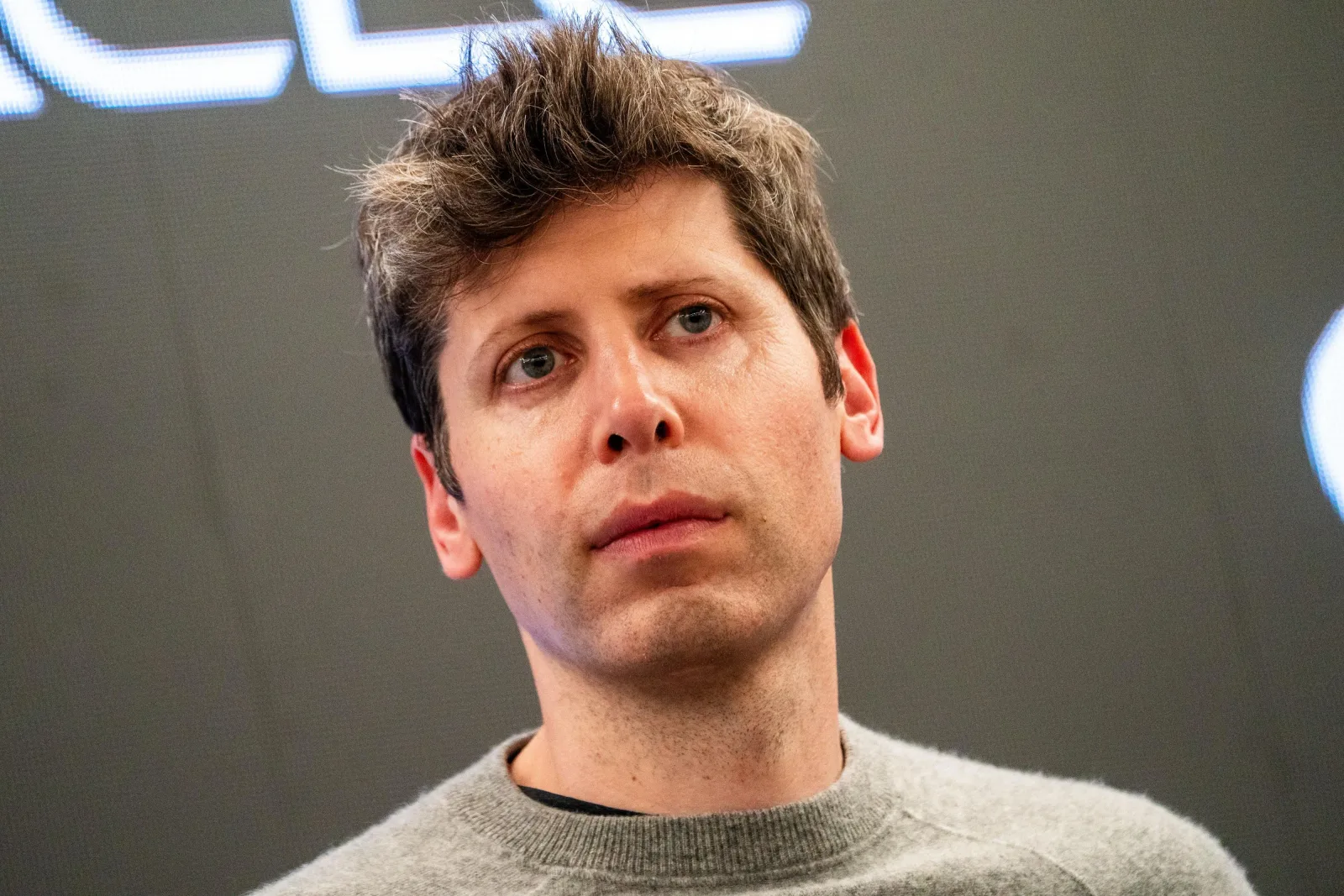
The tech world is buzzing with a new legal drama that feels more like a spy thriller than a standard corporate dispute. Apple has filed a blockbuster lawsuit against OpenAI, accusing the AI giant of stealing confidential documents and spying on hardware prototypes. According to The Verge, the case centers on a recruitment strategy that crossed serious ethical lines.
The allegations paint a picture of a company desperate for insider knowledge. Apple claims that OpenAI’s hardware head allegedly instructed job candidates to bring unreleased product samples and components they were working on. This is not just a breach of trust. It is a direct violation of standard hiring practices and potentially intellectual property law.
At the heart of this conflict is Tang Tan, a twenty-four-year Apple veteran who recently served as the vice president of the Apple Watch. The lawsuit details how Tan left Apple in 2024 to join OpenAI. Apple argues that his move was not just a career change but a conduit for transferring proprietary secrets to the AI startup.
The claims go beyond simple data theft. Apple accuses OpenAI of tricking a trusted partner into performing a proprietary product design technique. This suggests a level of industrial espionage that targets the very core of Apple’s hardware innovation. It implies that OpenAI wanted more than just software integration. They wanted the physical blueprint of Apple’s future devices.
This lawsuit highlights a growing tension in the tech industry. As AI models become more capable, the line between software and hardware is blurring. Companies like Apple are investing heavily in on-device AI. Startups like OpenAI are eager to integrate their models into the most popular hardware platforms. This intersection is becoming a battleground for intellectual property.
The implications for the broader AI ecosystem are significant. If these allegations hold true, it could lead to stricter vetting processes for AI companies hiring from hardware firms. It might also force tech giants to be more cautious about sharing early prototypes with external partners. The trust between hardware manufacturers and AI developers is being tested in real time.
For professionals working in AI and tech, this case serves as a stark reminder of the importance of ethical boundaries. It is not enough to be innovative. You must also be compliant. Companies that ignore these lines risk not just legal penalties but also reputational damage that can take years to recover from.
What this means for you is that you need to be vigilant about IP boundaries in your own work. If you are using AI tools to assist with product design or hardware concepts, ensure you are not using proprietary data from previous employers. Try this workflow: before using an AI assistant for any creative or technical task, run your input through a simple checklist. Ask the AI to help you anonymize specific details or rephrase concepts to ensure no confidential information is leaked. This simple habit can protect your career and your company's integrity.
Reporting basis: original story
← back to The Wire