the wire · #ai · 2026-07-12
Apple’s failed self-driving car program left a legacy of powerful AI chips
Cech Tech Reviews
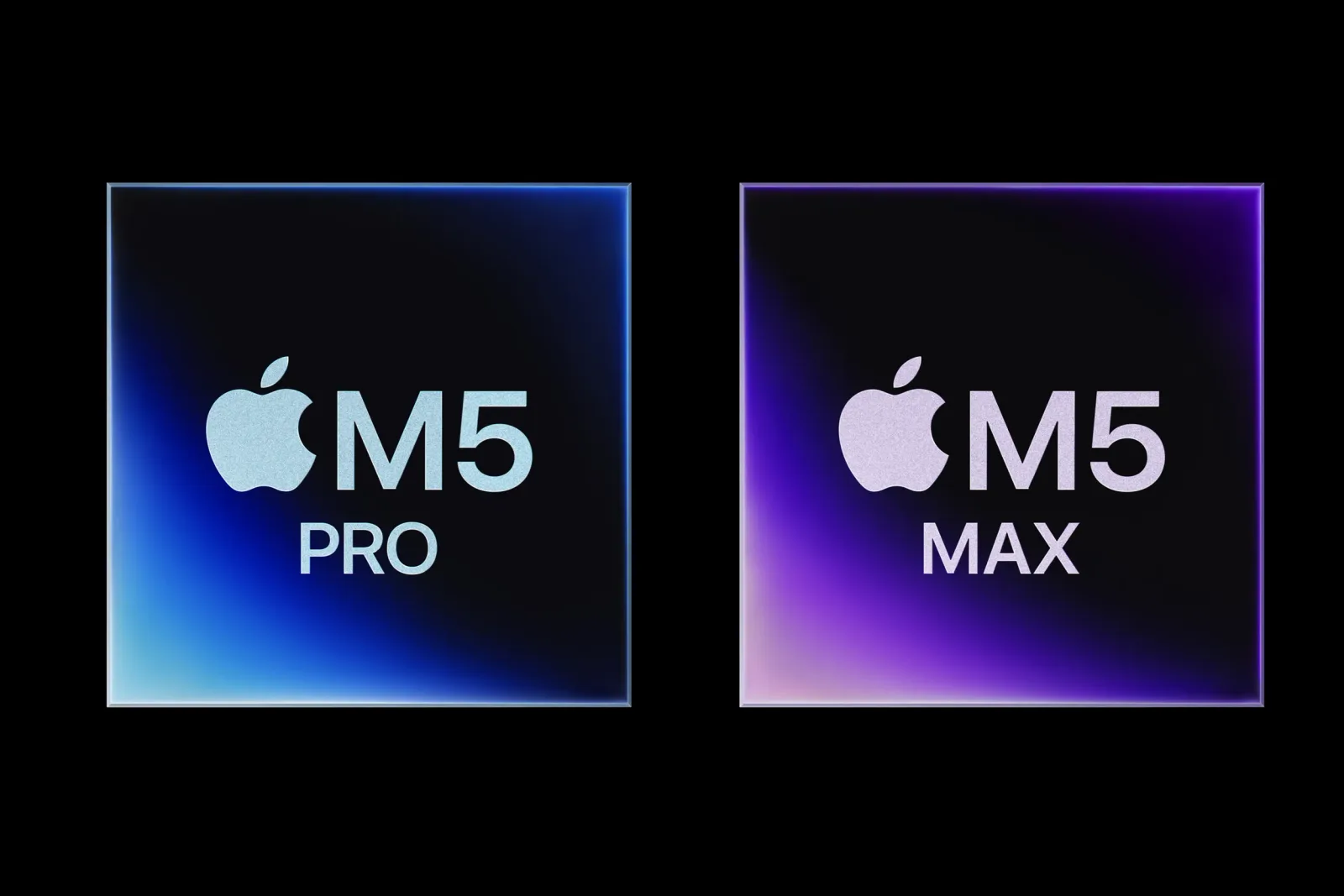
Apple’s ambitious self-driving car initiative may have been scrapped, but it left behind a technological artifact that is quietly reshaping the company’s entire AI strategy. According to Mark Gurman’s latest Power On newsletter, the hardware designed for autonomous driving never reached production, yet it served as the crucial catalyst for the Neural Engine. This specialized processor is now the backbone of all Apple’s on-device artificial intelligence capabilities, proving that even failed projects can have lasting strategic value.
The realization that autonomous vehicles would require immense on-device processing power forced Apple to rethink its silicon architecture early in the development cycle. Instead of relying solely on cloud-based solutions, the company prioritized local computation to reduce latency and enhance privacy. This decision led directly to the creation of the Neural Engine, which debuted alongside the A11 Bionic chip in the iPhone X. It was a pivotal moment that signaled Apple’s commitment to integrating AI deeply into its consumer hardware.
Initially, the Neural Engine was primarily utilized for computer vision tasks that defined the modern smartphone experience. Features like FaceID and Animoji relied heavily on this dedicated hardware to process facial data and animate emojis in real time. These applications demonstrated the potential of specialized AI chips to handle complex visual computations efficiently. However, this was just the beginning of what the Neural Engine would eventually become capable of achieving.
As Apple’s AI ambitions have grown, so too has the role of the Neural Engine in supporting more sophisticated machine learning models. The infrastructure built for self-driving car processing has evolved to support a wide array of intelligent features across the entire Apple ecosystem. This includes everything from photo optimization in Photos to predictive text and voice recognition in Siri. The chip has become indispensable for maintaining the seamless user experience that Apple is known for.
The implications of this legacy are significant for the broader tech industry, particularly as competition in on-device AI intensifies. By investing in specialized hardware early on, Apple has positioned itself to handle increasingly complex AI workloads without relying entirely on external servers. This approach not only enhances user privacy by keeping data local but also improves performance by reducing dependency on network connectivity. It is a strategic advantage that competitors are now scrambling to replicate.
For developers and entrepreneurs, this highlights the importance of hardware-software integration in the AI era. The success of Apple’s Neural Engine demonstrates that dedicated AI accelerators can unlock capabilities that general-purpose processors cannot match. As AI models become larger and more demanding, the need for efficient on-device processing will only grow. Companies that invest in this infrastructure early will likely have a significant edge in the market.
What this means for you is that the future of AI is increasingly local. As tools become more integrated into daily workflows, understanding how on-device processing works can help you leverage these capabilities more effectively. You can start by experimenting with AI assistants that prioritize privacy and speed through local processing. Try this prompt to test the limits of your current device: Ask your AI assistant to summarize a long document while explicitly requesting that it perform the task locally to ensure data privacy, then compare the speed and accuracy against cloud-based alternatives.
Reporting basis: original story
← back to The Wire