the wire · #topnews · 2026-09-24
Review: Apple's hyper-pricey M5 Ultra Mac Studio made me into a vibe coder
Cech Tech Reviews
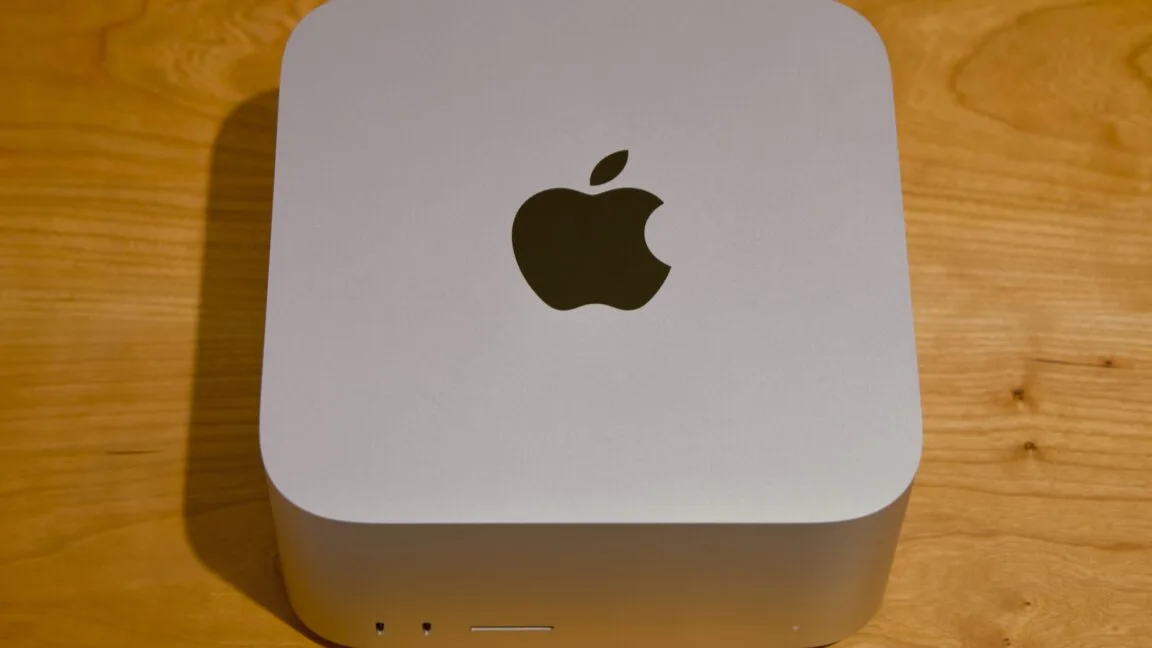
Apple has officially declared the Mac Pro dead, a move that might seem counterintuitive given the traditional pro-sumer love for upgradeable towers. According to recent reporting, the company is betting everything on the M5 Ultra chip in the new Mac Studio, a machine that commands a hyper-premium price tag. This isn't just about raw speed; it is a fundamental architectural pivot that redefines what professional hardware means in the age of AI.
The era of swapping out GPUs and adding RAM sticks is over. Apple Silicon integrates the CPU, GPU, and memory interface into a single unified package. This design choice makes traditional upgradeability not just difficult, but technically impossible without destroying the very performance benefits that make these chips special. You are buying a sealed ecosystem, not a modular workstation.
This consolidation is actually a feature, not a bug, for the modern AI developer. The unified memory architecture allows the system to handle massive language models and complex agents locally with unprecedented efficiency. You no longer need to rely on cloud APIs for every inference, which reduces latency and keeps sensitive data on-premise.
The result is a machine that transforms users into what some are calling vibe coders. The hardware is so capable that it handles heavy local LLM workloads without breaking a sweat. This shifts the developer experience from managing infrastructure to focusing purely on logic and creativity, powered by silicon that understands the workload natively.
While the initial cost is steep, the total cost of ownership changes when you factor in cloud computing bills. Running models locally on the M5 Ultra eliminates recurring API fees and data privacy concerns. For teams building proprietary AI agents, this hardware is an investment in autonomy and speed that cloud solutions simply cannot match on a per-unit basis.
The broader implication here is that the definition of pro hardware is shifting from expandability to density. As AI models grow larger, the bottleneck is no longer just compute, but memory bandwidth and access. Apple’s strategy of vertical integration ensures that their hardware remains relevant for the most demanding AI tasks, even as the market for traditional PC upgrades stagnates.
What this means for you: If you are building AI agents or working with large language models, consider the shift from cloud-dependent workflows to local execution. The M5 Ultra proves that local hardware can handle enterprise-grade AI tasks. Try this prompt to test your own local setup: Ask your AI assistant to explain the memory bandwidth requirements of a 70B parameter model and compare it to the unified memory architecture of Apple Silicon to see if your current hardware can support local inference efficiently.
Reporting basis: original story
← back to The Wire