the wire · #topnews · 2026-09-24
SeaWorld Wants to Make You Horny
Cech Tech Reviews
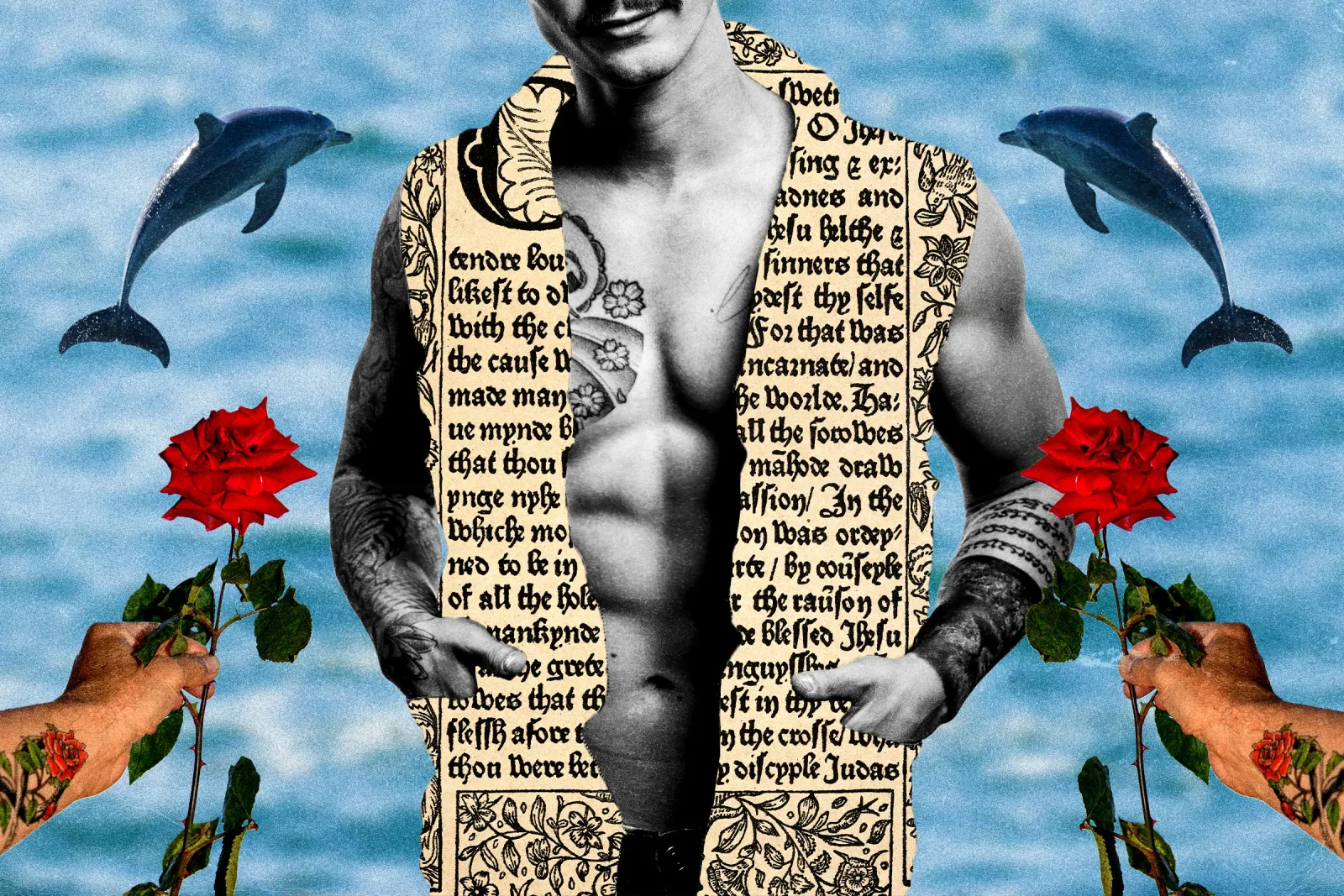
SeaWorld Orlando has quietly executed a marketing masterstroke by tapping into the exploding popularity of romantasy literature. According to recent reports, their immersive Halloween experience now features brooding, attractive male characters that pay homage to the antiheroes found in these books. The strategy is not just about scares; it is about creating a specific emotional and aesthetic appeal that resonates deeply with a dedicated fanbase.
The results speak for themselves. The park is reporting record-breaking ticket sales, a metric that often struggles in the post-pandemic leisure sector. This success highlights a broader trend where traditional entertainment venues are looking beyond generic horror tropes to find more nuanced, character-driven narratives. It suggests that audiences are craving connection and fantasy over simple shock value.
For AI professionals and entrepreneurs, this case study offers a clear lesson in persona-driven content. The romantasy genre thrives on specific character archetypes and emotional intensity. By aligning their physical experience with these digital-native preferences, SeaWorld bridged the gap between offline events and online cultural currents. This is a prime example of how understanding subcultural trends can drive tangible business outcomes.
We are seeing a similar pattern in the AI space where generic content is losing its edge. Users are increasingly drawn to AI assistants and generated media that embody specific personalities or stylistic quirks. The success of SeaWorld’s antihero theme suggests that audiences want to feel something specific, whether it is excitement, romance, or intrigue. AI tools that can replicate these nuanced emotional tones are likely to see higher engagement rates.
The implication for content creators is that specificity wins. Instead of trying to appeal to everyone with broad strokes, you should identify the specific emotional triggers of your target niche. In the context of AI, this means moving beyond functional prompts to those that evoke a particular mood or character dynamic. The data from SeaWorld proves that this approach can scale to mass market levels when executed correctly.
This trend also underscores the importance of cross-platform cultural literacy. The romantasy boom started online but has now influenced physical entertainment. AI developers and marketers must be attuned to these cross-pollinations. Ignoring the emotional drivers of online communities can leave you behind as those communities influence real-world spending habits. The line between digital fandom and physical experience is blurring rapidly.
What this means for you is that your AI workflows should prioritize emotional resonance and character consistency. If you are using AI for marketing or content creation, stop focusing solely on information delivery. Start experimenting with persona-based generation that taps into current cultural aesthetics. Here is a prompt you can try with your AI assistant to test this concept: "Act as a romantasy antihero. Write a short, atmospheric description of a Halloween event that focuses on mystery and allure rather than fear, using sensory details to evoke a sense of longing and intrigue."
By adopting this mindset, you can create content that does more than inform. It can connect. The SeaWorld example shows that when you align your offering with the deep emotional desires of your audience, you unlock significant value. This is the future of engagement, and AI is the tool that makes it scalable.
Reporting basis: original story
← back to The Wire