the wire · #topnews · 2026-09-24
The Ovary Is Surprisingly Active After Menopause. Scientists Are Trying to Figure Out Why
Cech Tech Reviews
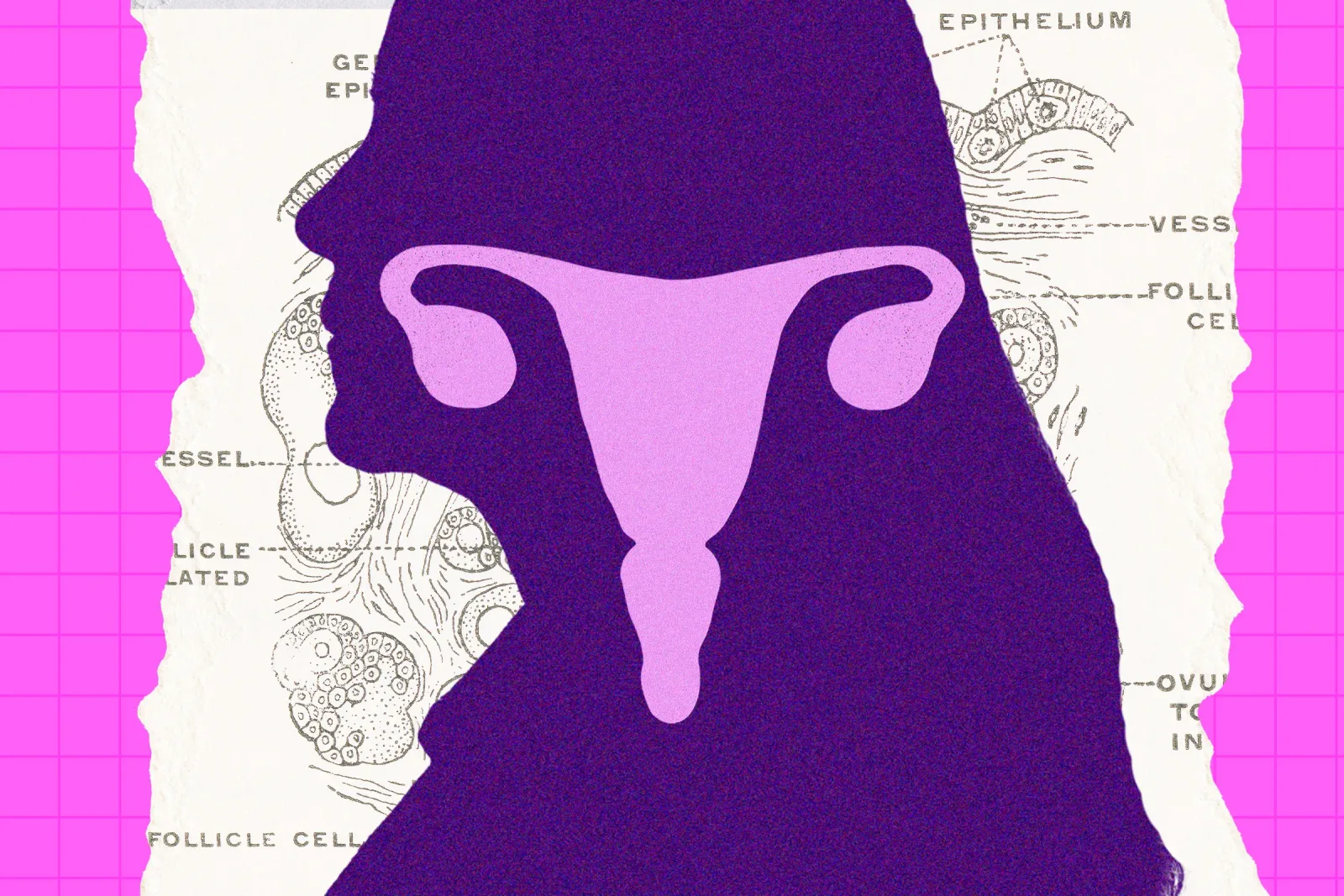
For decades, the prevailing medical narrative has treated the postmenopausal ovary as a relic. It was viewed simply as a storage unit for eggs that had long since expired, leaving the organ to wither into irrelevance. This perspective shaped how doctors approached women's health after fertility ended, often ignoring the ovaries entirely in long-term care plans.
That narrative is crumbling under the weight of new scientific evidence. A growing body of research suggests the ovary remains a surprisingly active organ well after menopause. It is not merely sitting idle but continues to engage in complex biological processes that influence overall health. This shift in understanding is forcing a complete reevaluation of female physiology.
According to recent reporting, scientists are now investigating why these organs remain so metabolically active. The findings indicate that the ovary plays a role in shaping women's health long after the fertile years have passed. This challenges the old model of viewing menopause as a simple cessation of reproductive function.
The implications for AI and healthcare are profound. If the ovary is an active endocrine organ in later life, then data models that ignore postmenopausal ovarian activity may be fundamentally flawed. Current predictive algorithms for heart disease or bone density might be missing a key variable. This oversight could lead to less accurate risk assessments for millions of women.
We are likely looking at a future where personalized medicine accounts for these subtle hormonal signals. AI systems trained on comprehensive biological data could identify patterns that traditional medicine has missed. This means earlier detection of conditions linked to ovarian function, such as certain cancers or metabolic disorders.
The shift from viewing the ovary as a passive organ to an active participant changes the entire landscape of women's health. It suggests that treatments and monitoring strategies need to be updated to reflect this ongoing activity. Ignoring this activity is no longer a scientifically defensible position.
What this means for you: If you work in health tech or data science, audit your datasets for postmenopausal biological variables. Try this prompt with your AI assistant to explore potential correlations: "Analyze the relationship between residual ovarian hormone markers and long-term cardiovascular risk in women over fifty, highlighting gaps in current clinical trial data."
This is not just about biology. It is about how we process and interpret complex human data. The more we learn about these hidden active systems, the more we need AI to help us make sense of it all. The future of health tech depends on seeing the whole picture, not just the parts we used to understand.
Reporting basis: original story
← back to The Wire