the wire · #ai · 2026-09-15
This doorbell camera lets a human security guard watch your front door
Cech Tech Reviews
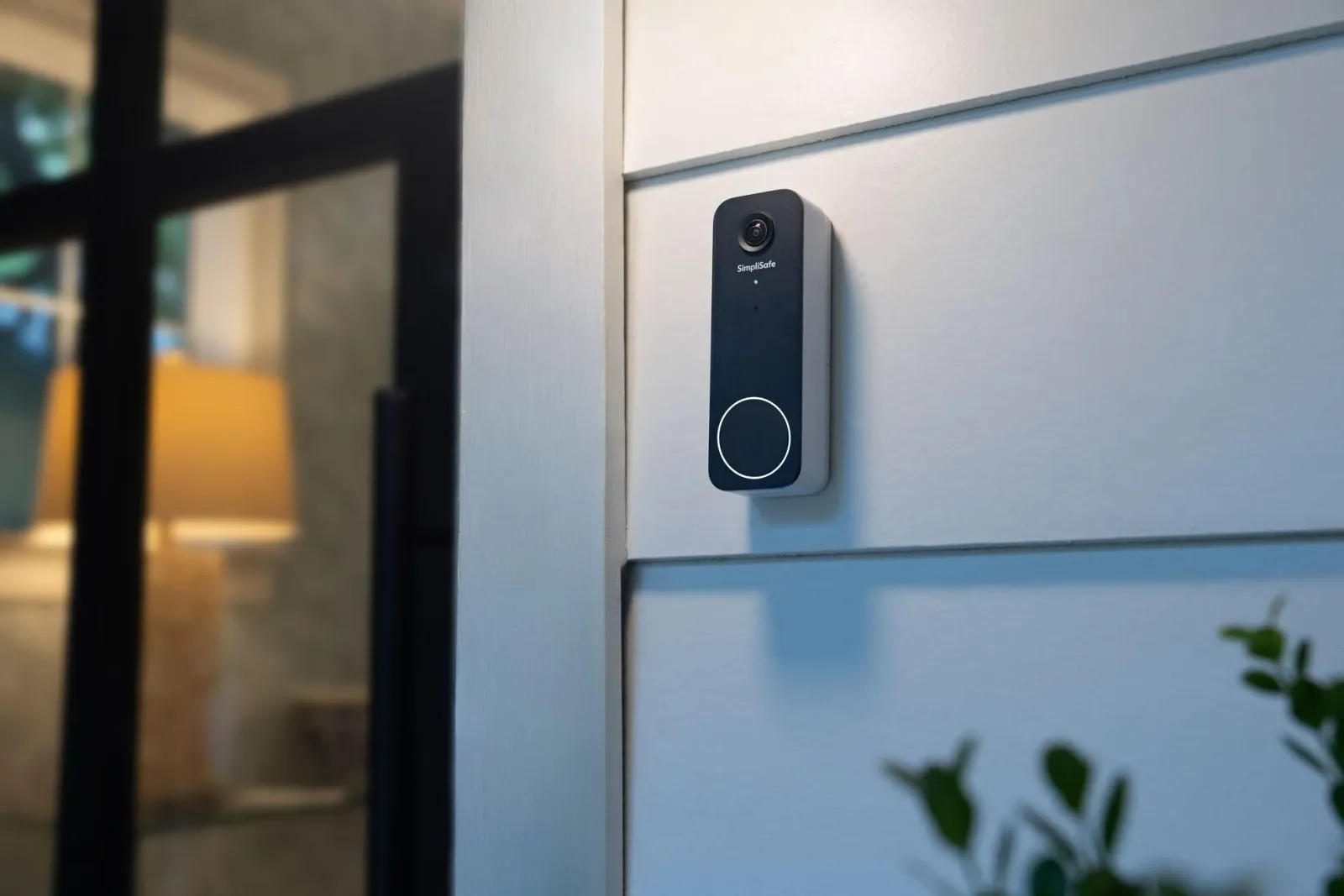
The landscape of home security is undergoing a subtle but significant shift. We are moving away from the era where cameras simply recorded evidence for later review. Instead, companies are now building systems that intervene in real time. SimpliSafe has entered this space with its new Video Doorbell Series 2. This device launches today at a price point of $199.99. It represents a direct challenge to the purely algorithmic approach favored by many competitors.
The core innovation here is not just the hardware specs. While the device does offer 2K resolution and dual band Wi-Fi, those features are becoming standard. The real story is the integration with Active Guard Outdoor Protection. This service costs $49.99 a month. It combines on-device AI with cloud-based computer vision and facial recognition. When the system detects suspicious activity, it does not just send you a notification. It alerts a live human agent who can watch the feed.
According to reporting by The Verge, this hybrid model allows agents to see, speak to, and attempt to deter potential intruders. This is a crucial distinction. Most AI security tools currently operate in a reactive mode. They wait for a break-in to happen and then alert the police. SimpliSafe is trying to stop the event before it occurs. The human agent acts as a digital bouncer. They can verify if the person at the door is a threat or just a confused delivery driver.
This approach highlights a growing tension in the AI industry. Pure automation is efficient but often lacks nuance. A robot might misinterpret a shadow as an intruder. A human can quickly discern context. By keeping a human in the loop, SimpliSafe is betting that trust and accuracy are more valuable than pure speed. This is a smart move for consumers who are wary of false alarms. It also addresses the privacy concerns that often accompany always-on AI monitoring.
However, the monthly fee structure is worth scrutinizing. You are paying for the hardware once. But the active protection requires a recurring subscription. This model locks you into an ecosystem. If you cancel the service, the doorbell still records. But you lose the proactive deterrence capability. This is a common trend in smart home devices. The hardware becomes a gateway to a more expensive service layer. Consumers need to decide if the peace of mind is worth the ongoing cost.
From an AI perspective, this is an interesting case study in human-in-the-loop systems. The AI handles the heavy lifting of detection. It filters out noise and identifies potential threats. The human then makes the final judgment call. This division of labor leverages the strengths of both technologies. It reduces the burden on the user while maintaining a high level of security. It suggests that the future of AI is not about replacing humans. It is about augmenting their capabilities in critical moments.
What this means for you is that you should evaluate your security needs beyond just recording. If you travel often or live in an area with high package theft, the human element might be worth the subscription. For those who prefer a DIY approach, the hardware alone may suffice. You can still review footage and contact authorities manually. The choice depends on how much you value immediate intervention over passive documentation.
Try this workflow with your current AI assistant. Ask it to compare the total cost of ownership for SimpliSafe versus a traditional camera system over three years. Include the subscription fees in your calculation. This will help you determine if the proactive service provides enough value to justify the recurring expense. It is a practical way to make a data-driven decision for your home security setup.
Reporting basis: original story
← back to The Wire