the wire · #ai · 2026-09-16
Robots are waiting for a ChatGPT moment: Nvidia’s Les Karpas explains why at TechCrunch Disrupt 2026
Cech Tech Reviews
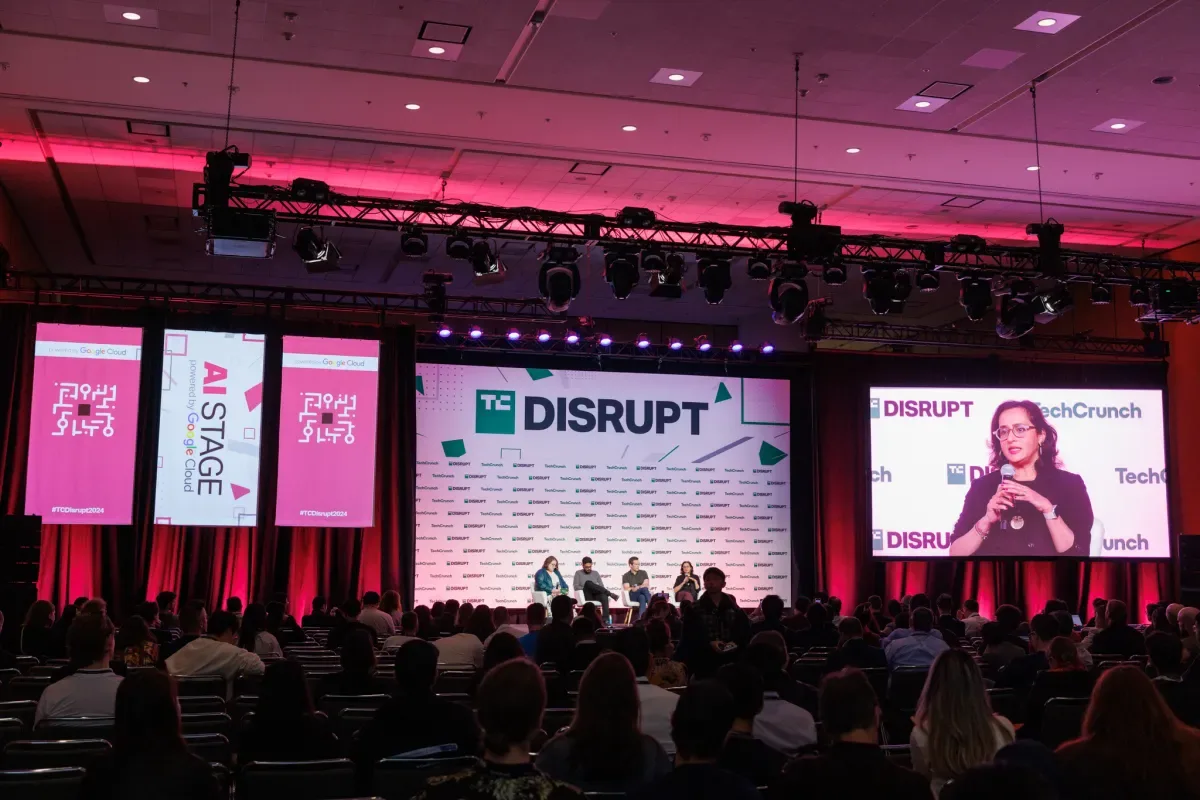
The robotics industry is currently stuck in a frustrating limbo. We have seen impressive demos in controlled labs, but these machines rarely survive the chaos of the real world. Nvidia’s Les Karpas recently explained this gap at TechCrunch Disrupt 2026. He suggests the sector is waiting for its own ChatGPT moment to truly break through.
This comparison is not just about hype. It highlights a fundamental shift in how we approach machine intelligence. For years, robotics relied on hard-coded rules and precise programming. This approach works in a factory but fails when a robot encounters a new object or an unexpected obstacle. The environment is too unpredictable for static code.
Karpas points out that we need a new kind of foundation model for physical agents. Just as large language models transformed text generation, we need models that understand physics and spatial reasoning. These systems must learn from vast amounts of data rather than relying on manual programming for every single task. This is the missing link that has kept robots out of our homes and offices.
The implications for entrepreneurs and developers are significant. Building robotics software is no longer just about control theory. It is about training and fine-tuning models that can generalize across different environments. This opens up new opportunities for AI-native robotics startups. They can focus on data collection and model architecture rather than traditional mechanical engineering alone.
According to the reporting from TechCrunch, the industry is at an inflection point. The hardware is becoming more capable, but the software brain is still catching up. Nvidia is positioning itself as the essential partner in this transition. Their hardware and software stack are designed to accelerate this specific type of learning and simulation.
This shift also changes the timeline for adoption. We might see a sudden jump in capability once these foundation models mature. It will not be a slow crawl but rather a rapid scaling of intelligence. Companies that invest in data pipelines and simulation environments now will have a massive advantage later.
What this means for you is that you should start thinking about robotics as a software problem. If you are working in automation or logistics, look for tools that leverage foundation models. Try using an AI assistant to simulate edge cases for your robotic workflows. Ask it to generate test scenarios where a robot might fail due to environmental noise. This helps you prepare for the real-world challenges that these new models are designed to solve.
Reporting basis: original story
← back to The Wire