the wire · #topnews · 2026-08-18
The Cop Who Took On Flock
Cech Tech Reviews

The story of Noel Pichardo is not just a tale of police misconduct. It is a stark illustration of how artificial intelligence vendors are reshaping the power dynamics within law enforcement agencies. According to recent reporting, Pichardo faced five internal affairs investigations in less than two years after questioning his city's adoption of Flock surveillance cameras. This aggressive retaliation underscores a chilling reality for public servants who dare to challenge the integration of proprietary AI tools.
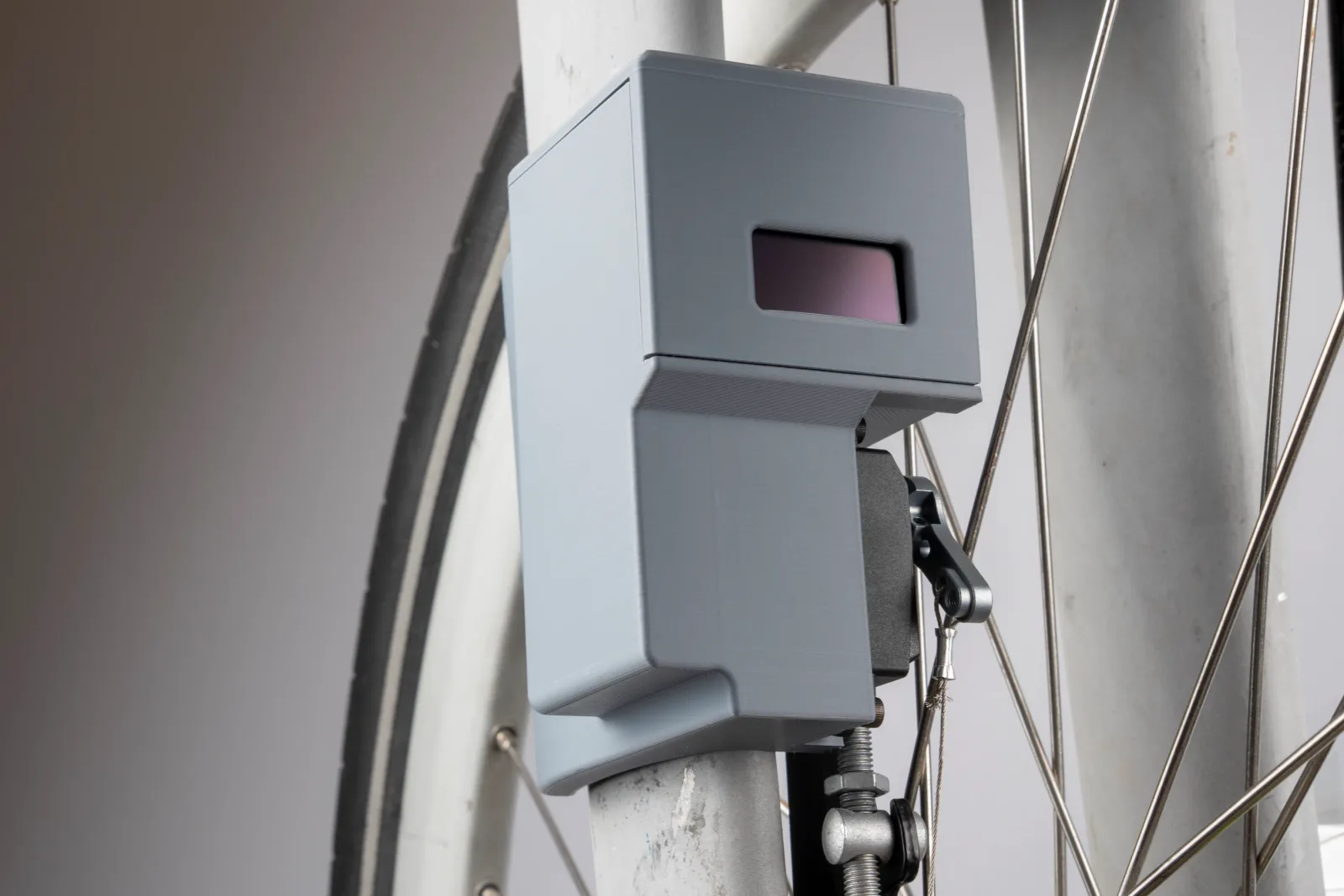
Flock Safety has positioned itself as a vital partner in community safety. Their network of camera-equipped vehicles creates a massive data collection grid across American cities. However, the Pichardo case exposes the dark side of this public-private partnership. When officers begin to question the efficacy or ethics of these systems, the corporate entity often finds ways to protect its interests through institutional pressure. This dynamic shifts the balance of power away from public accountability and toward private profit.
The use of internal affairs investigations as a weapon against whistleblowers is a tactic that extends beyond policing. It mirrors strategies seen in other tech-heavy industries where dissent is viewed as a liability. By flooding an officer with administrative scrutiny, the agency can effectively neutralize criticism without addressing the substantive concerns about the technology. This creates a culture of fear where compliance is valued over critical thinking or ethical oversight.
From an AI ethics perspective, this incident raises serious questions about algorithmic accountability. When a company like Flock embeds its technology so deeply into police workflows, it becomes difficult for officers to operate independently. The vendor effectively becomes a co-pilot in decision-making processes. If that vendor can influence internal disciplinary actions, it gains an unprecedented level of control over how justice is administered in local communities.
This case also highlights the lack of robust oversight mechanisms for surveillance technology. Most cities adopt these systems through contracts that prioritize speed and cost over transparency. There is rarely a clear pathway for employees to raise concerns about data privacy or bias without facing professional ruin. The Pichardo saga serves as a warning that without strong legal protections, whistleblowers will remain vulnerable to corporate-backed retaliation.
The broader implication for society is the erosion of trust in law enforcement. When the public learns that officers are silenced for questioning the tools they use, confidence in the integrity of the police force diminishes. It suggests that decisions about surveillance are being made in boardrooms rather than through democratic deliberation. This lack of transparency undermines the very safety that these technologies claim to provide.
What this means for you is that the integration of AI into public services is not a neutral technical upgrade. It is a political and ethical shift that requires active scrutiny. If you are working with AI tools in any sector, you must advocate for clear ethical guidelines and protection for those who raise concerns. Transparency is not optional. It is the foundation of trust.
Try this workflow with your AI assistant to analyze corporate influence in your industry. Paste your company's code of conduct and any recent news about vendor partnerships into the prompt. Ask the AI to identify potential conflicts of interest and suggest questions you should ask leadership about data privacy and employee protections. This helps you stay ahead of hidden risks.
Reporting basis: original story
← back to The Wire