the wire · #topnews · 2026-08-18
Election Officials Are Preparing for Prediction Markets to Sow Chaos in the Midterms
Cech Tech Reviews
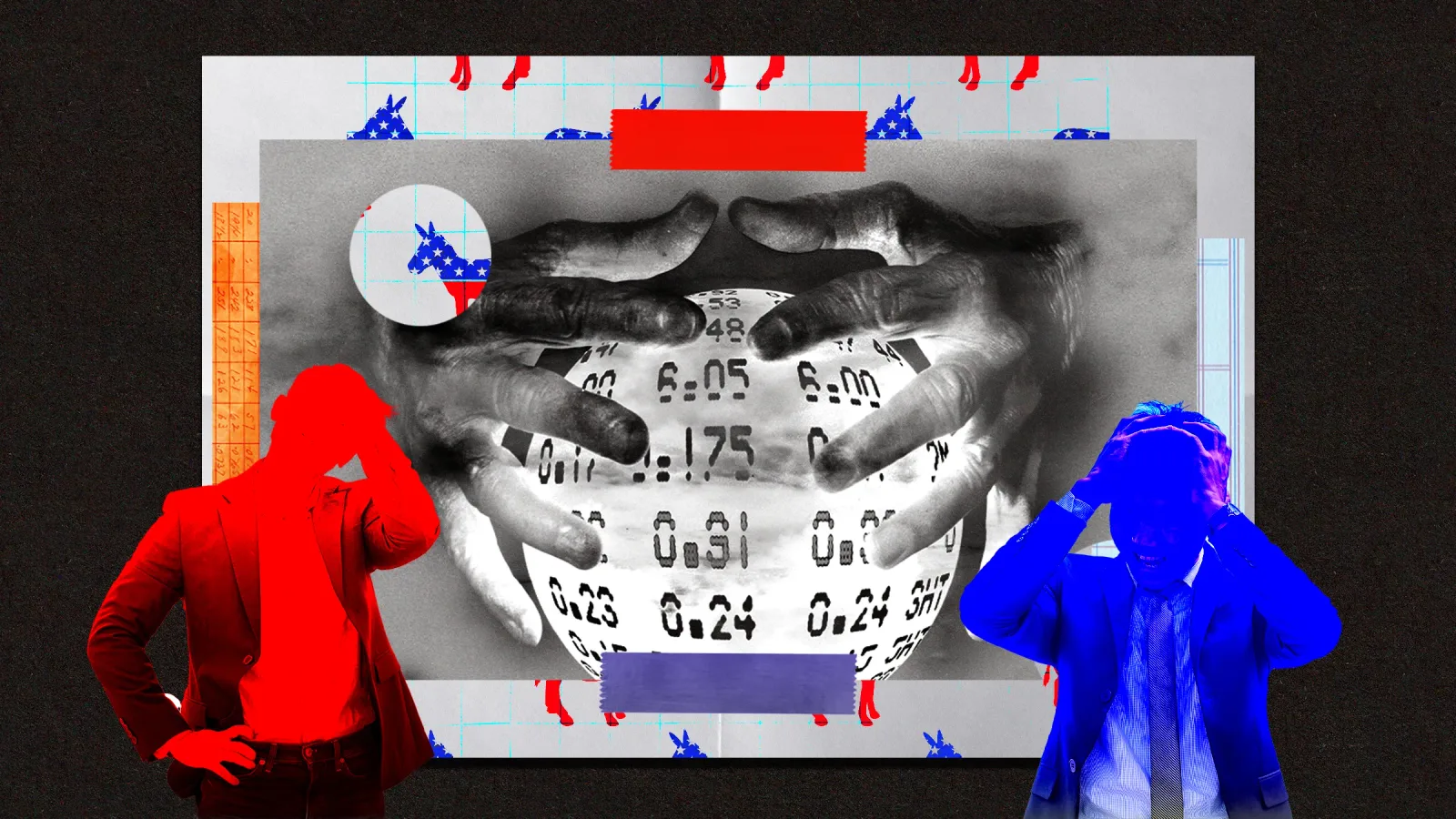
Election officials across the United States are sounding the alarm as prediction markets gain traction ahead of the midterm elections. According to recent reporting, these platforms are not just passive indicators of political sentiment but active participants that could fundamentally alter how voters perceive the democratic process. The core issue lies in the potential for these markets to blur the line between probability and reality, creating a new layer of complexity for an already strained electoral system.
One of the most pressing concerns is the safety of poll workers. As prediction markets become more integrated with political discourse, there is a growing fear that they could become targets for harassment or intimidation. If individuals feel that their actions on these platforms have real-world consequences, the risk of conflict at polling stations could escalate significantly. This threat adds a dangerous new dimension to an already high-stakes environment where workers are often under intense scrutiny.
Voter confusion represents another critical challenge. Many citizens may struggle to distinguish between the odds presented by prediction markets and the actual results of an election. This ambiguity could lead to misguided decisions or a lack of trust in the final outcome. When people see fluctuating probabilities, they might interpret them as definitive forecasts rather than speculative estimates, potentially influencing their voting behavior in unpredictable ways.
The scrambling of the political process extends beyond individual voter behavior. Prediction markets can create feedback loops that amplify certain narratives or candidates, skewing public perception. This dynamic can undermine the traditional role of polls and surveys, which are designed to measure sentiment at a specific point in time. Instead, prediction markets introduce a continuous stream of data that can shift rapidly, making it harder for the public to form a stable understanding of the political landscape.
From an AI and data analysis perspective, this trend highlights the need for better tools to interpret and contextualize prediction market data. Professionals working in political analysis or campaign strategy must develop new methods to separate signal from noise. The ability to filter out speculative volatility and focus on underlying trends will be crucial for providing accurate insights to stakeholders.
What this means for you is that staying informed requires a critical eye toward the sources of political data. If you are using AI tools to track election trends, ensure that your models account for the potential distortions introduced by prediction markets. Consider implementing a workflow where you cross-reference prediction market data with traditional polling and historical voting patterns to validate insights. You might try using an AI assistant to summarize recent prediction market movements and compare them against established polling averages to identify discrepancies or anomalies.
Reporting basis: original story
← back to The Wire