the wire · #ai · 2026-09-04
The sameness problem behind those unappetizing AI-generated menus
Cech Tech Reviews
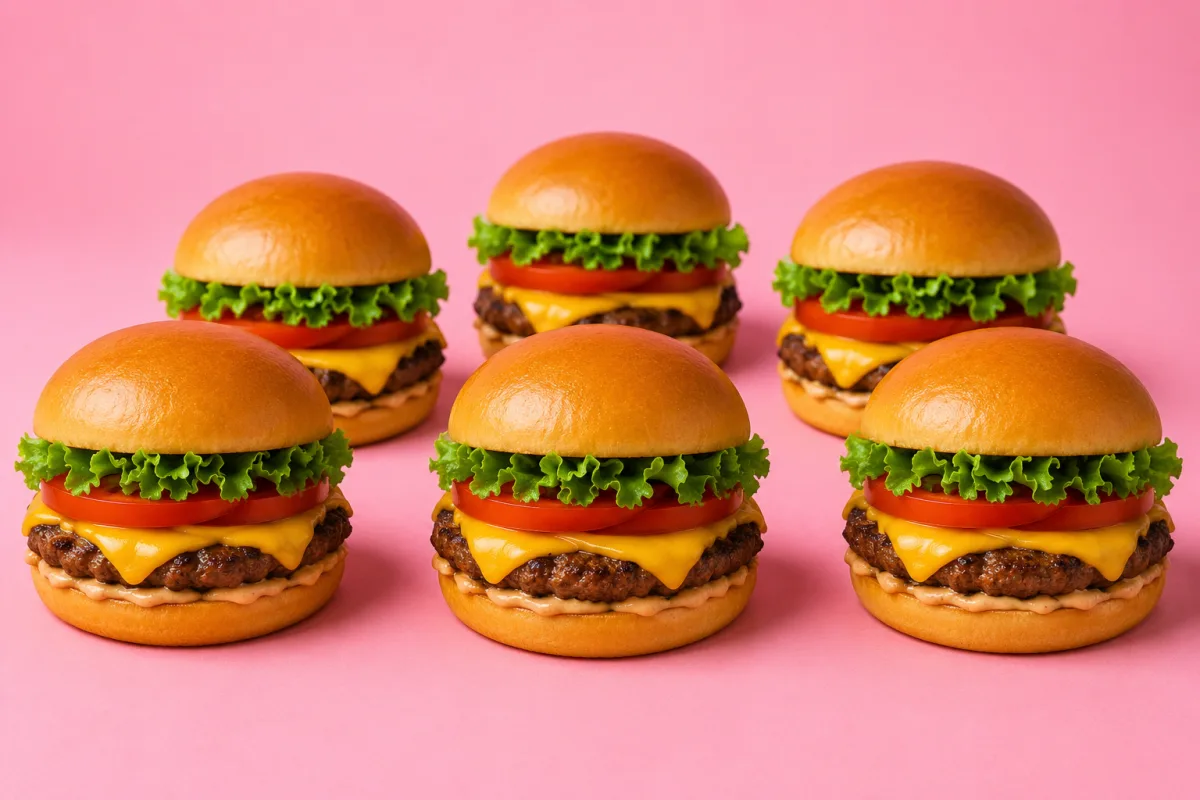
Restaurant menus generated by AI have a problem that goes beyond bad stock photos. According to recent industry observations, diners are developing an almost visceral negative reaction to AI-created menu content, even when they can't immediately articulate why something feels off.
The issue isn't just aesthetic. When restaurants use generative AI to write descriptions or create food imagery, the output tends toward a homogenized middle ground that strips away the specific, appetite-triggering details that make you actually want to order something. AI-generated food descriptions often sound generically appetizing rather than craveable, and the images hit an uncanny valley where everything looks a bit too perfect and a bit too similar.
This points to a broader pattern emerging across AI-generated content: the convergence problem. Large language models and image generators are trained on massive datasets that naturally push outputs toward statistical averages. For restaurant menus, that means losing the quirky, specific language and visual style that signals authenticity and care. A hand-written description of "crispy-edged sourdough with cultured butter" becomes "artisanal bread with premium butter."
The business impact is real. Restaurants compete on differentiation, and a menu is often the first impression. When that first impression screams "generated by the same tool as every other restaurant," it undermines trust before the food ever arrives. Diners increasingly associate AI-polished content with low-effort operations, the opposite of what most restaurants want to signal.
This isn't an argument against AI in food service entirely. The technology has legitimate uses in inventory management, reservation systems, and back-office operations. But customer-facing content, especially something as central as a menu, requires the kind of specific, opinionated voice that current generative AI struggles to produce without heavy human direction.
The lesson extends beyond restaurants. Any business using AI to generate customer-facing content needs to inject specificity and personality that large models naturally smooth away. Generic and polished might seem safe, but it often reads as impersonal and untrustworthy.
What this means for you: If you're using AI to write marketing or customer content, your job is to add back the specificity the model removes. Try this prompt with your AI assistant: "Rewrite this description, but replace any generic adjectives with specific sensory details or unusual choices that make it memorable. If it sounds like it could describe any product in this category, rewrite it again." Use AI as a drafting tool, not a publishing tool, and treat bland output as a signal to push harder on what makes your offering different.
Reporting basis: original story
← back to The Wire