the wire · #ai · 2026-10-03
Meta open sources code to let you make Muse AI gadgets
Cech Tech Reviews

Meta just handed the maker community something genuinely interesting. According to The Verge, the company open sourced the code for Muse, its AI agent, so anyone can build custom hardware gadgets around it. We're talking Raspberry Pi projects, ESP32 boards, E Ink displays, touchscreens, sensors, buttons, whatever you can wire up on your workbench.
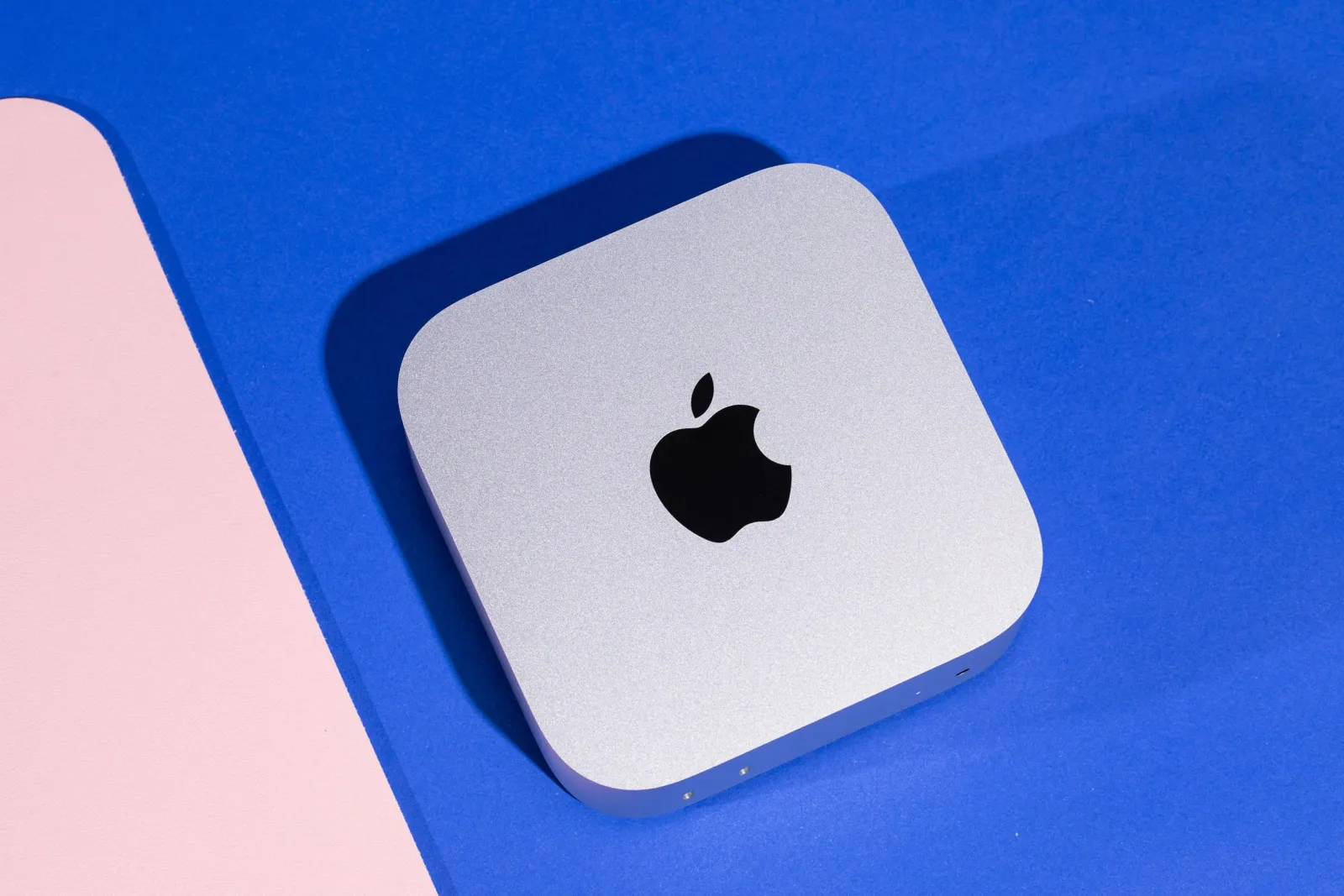
This isn't just another AI API release. Meta is explicitly encouraging people to build physical devices, what they're calling Muse gadgets. The examples they suggest range from practical to playful: a color E Ink display for AI-generated reminders, an HDMI stick to put Muse on your TV, or a small touchscreen that looks like a DIY version of the Muse Charm device Meta sells.
What makes this move smart is timing. While everyone else is fighting over which AI chat interface is best, Meta is saying the interface could be anything. A screen on your fridge. A button on your desk. A sensor-equipped box in your workshop. They're betting that AI agents become more useful when they're embedded in the physical spaces where you actually work and live.
The open source angle matters here. Meta isn't gatekeeping the hardware ecosystem or forcing you through an app store. If you know your way around a soldering iron and some Python, you can prototype AI-powered devices without asking permission. That's how you get weird, useful innovations that no product team would ever greenlight.
For context, this fits the broader pattern of AI moving from cloud services to edge devices. We've seen it with local LLMs, on-device processing in phones, and now DIY AI hardware. The difference is Meta is providing the scaffolding instead of making you reverse engineer everything.
What this means for you: if you've ever wanted to build a custom AI tool for a specific workflow, this is your entry point. Try this prompt with an AI assistant to brainstorm a Muse gadget project: "I want to build a physical AI device for [your specific use case]. I have access to Raspberry Pi, basic sensors, and small displays. Suggest three practical Muse gadget concepts I could build, explaining what hardware I'd need and what problem each one would solve in my daily work." Start simple, maybe an AI-powered task display for your desk, and see where the tinkering takes you.
Reporting basis: original story
← back to The Wire