the wire · #topnews · 2026-09-24
Bentley Wants Its Torcal SUV to Break the Curse of the Luxury EV
Cech Tech Reviews
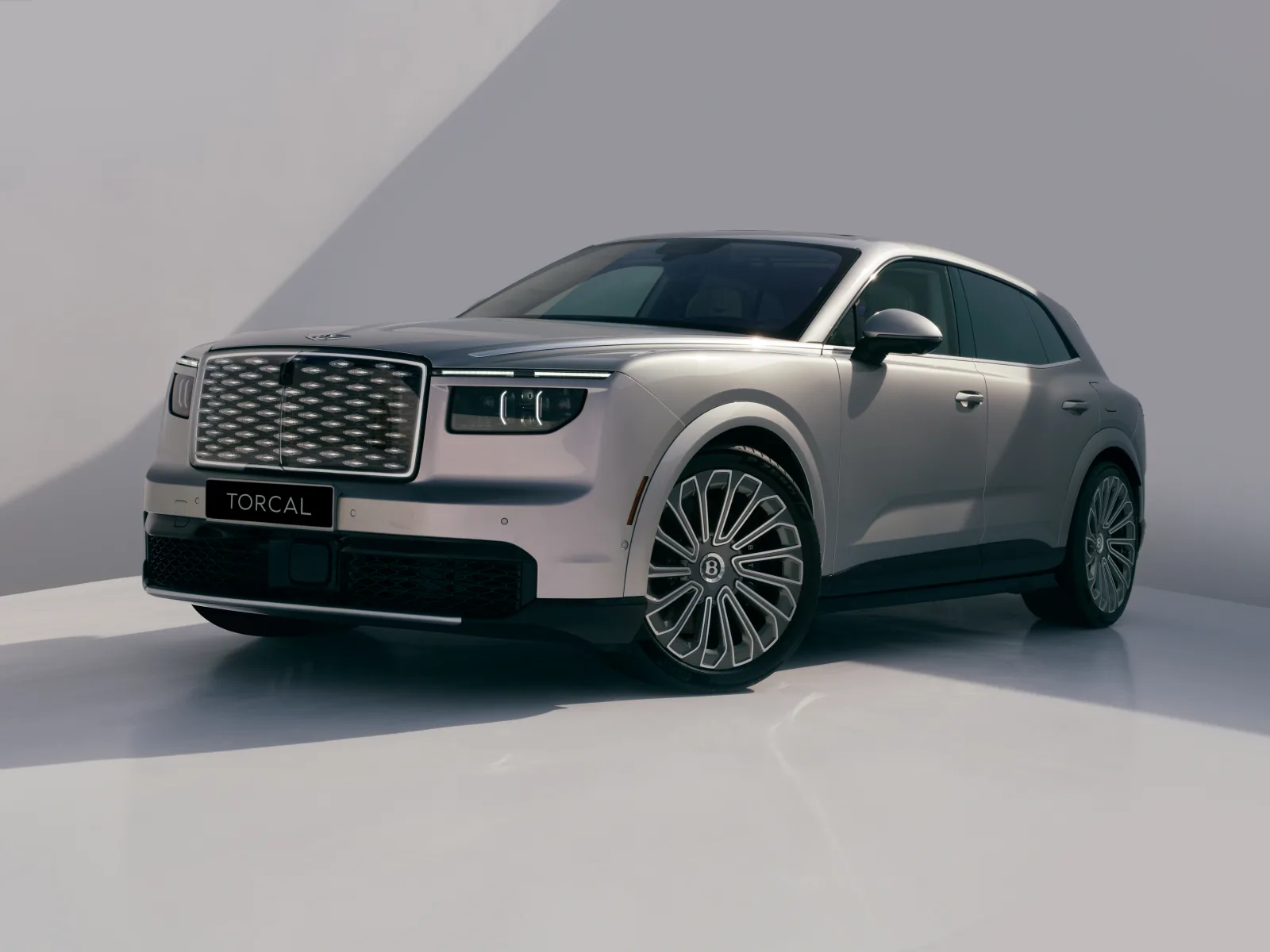
Bentley has officially pulled back the curtain on the Torcal, marking a historic moment as the British luxury automaker’s first-ever fully electric vehicle. According to recent reports, this debut is not just about swapping engines; it is an attempt to break what the industry has long called the curse of the luxury EV. The goal is to prove that high-end buyers will embrace electrification without sacrificing the soul of the brand.
The specifications are undeniably aggressive for a brand known for comfort over raw speed. The Torcal promises a range of 330 miles, which addresses one of the biggest anxieties for potential electric car buyers. More impressively, it claims a zero to sixty mile per hour time of under three seconds. This performance metric places it firmly in the supercar territory, challenging the notion that luxury EVs must prioritize efficiency over excitement.
Perhaps the most intriguing detail is the mention of an orchestra under the hood. This likely refers to the sophisticated acoustic engineering and AI-driven soundscapes that Bentley is integrating into the cabin. In a silent electric vehicle, sound design becomes a critical component of the user experience. This suggests a heavy reliance on software and audio algorithms to create an emotional connection that traditional combustion engines provided through mechanical noise.
This launch reflects a broader trend in the automotive sector where software-defined vehicles are becoming the primary differentiator. As noted by industry analysts, the hardware is becoming commoditized, but the personalized digital experience is where the value lies. Bentley is betting that its integration of AI for climate control, audio, and navigation will justify the premium price point for tech-savvy luxury consumers.
The challenge for Bentley is cultural as much as it is technical. Luxury buyers are often resistant to change, yet they are increasingly demanding the connectivity and sustainability features that come with electric platforms. The Torcal must convince these traditionalists that an electric powertrain enhances rather than diminishes the Bentley legacy. It is a delicate balancing act between heritage and innovation.
From an AI perspective, this vehicle represents a significant expansion of the edge computing market. The Torcal will likely require powerful onboard processors to manage the complex interactions between the powertrain, the acoustic systems, and the user interface. This mirrors the shift we are seeing in consumer electronics, where devices are becoming more autonomous and responsive to user behavior through machine learning models.
What this means for you: As AI becomes embedded in physical products like cars, the line between software and hardware blurs. You should expect your daily tools to become more predictive and personalized. Try using an AI assistant to analyze your weekly commute patterns and suggest optimized routes or charging schedules if you were to own an EV. This simple workflow can help you understand how data-driven insights can save time and money in your daily routine.
Reporting basis: original story
← back to The Wire