the wire · #topnews · 2026-07-11
El Niño Is Already Wreaking Havoc on Pacific Fisheries
Cech Tech Reviews
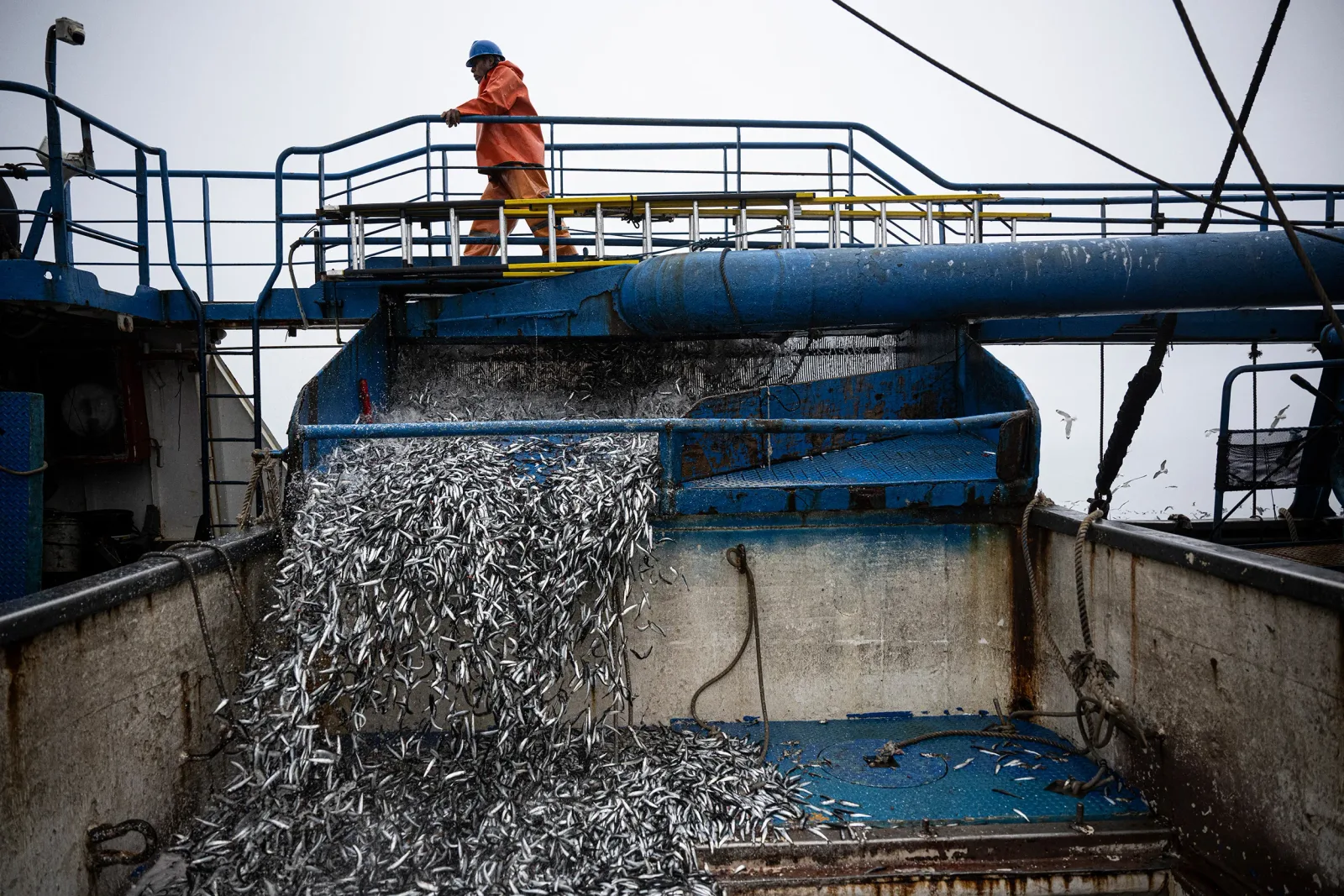
The Pacific Ocean is currently undergoing a dramatic transformation driven by the El Niño climate phenomenon. According to recent reports, warm water is surging across the eastern Pacific, creating a stark divide in the fishing industry. Some regions are facing significant losses while others are experiencing an unexpected abundance of catch. This divergence highlights the complex and often unpredictable nature of marine ecosystems under climate stress.
For the fishing industry, this is not just a seasonal fluctuation but a structural challenge. Traditional methods of forecasting catch volumes are struggling to keep pace with the rapid changes in water temperature and fish migration patterns. The volatility means that decisions made months in advance may no longer be relevant by the time they are executed. This lag between data collection and actionable insight is where modern technology must step in to reduce risk.
Artificial intelligence offers a promising solution to this problem by processing vast amounts of environmental data in real time. Machine learning models can analyze satellite imagery, ocean temperature sensors, and historical catch data to predict fish movements with greater accuracy. These systems do not just react to current conditions but identify subtle patterns that human analysts might miss. This capability is crucial for industries that operate on thin margins and tight schedules.
The implications extend beyond individual fishing boats to global supply chains. When one region suffers a shortfall, the ripple effects can impact food prices and availability worldwide. AI-driven logistics platforms can help distributors adjust routes and sourcing strategies dynamically. This agility allows businesses to mitigate losses by pivoting to alternative suppliers or markets before a crisis fully unfolds.
Entrepreneurs and tech professionals should view this as a blueprint for applying AI to other climate-sensitive sectors. Agriculture, insurance, and energy are all facing similar challenges where traditional models are breaking down. The key is to integrate real-time environmental data into decision-making workflows. This approach transforms climate risk from a static variable into a dynamic input that can be managed proactively.
The current situation in the Pacific serves as a test case for the broader adoption of predictive analytics in resource management. Companies that invest in these technologies now will have a competitive advantage as climate variability increases. The goal is not to predict the future with perfect accuracy but to build systems that can adapt quickly to uncertainty. This resilience is becoming a core requirement for sustainable business operations.
What this means for you: If you work in logistics, supply chain management, or any sector affected by environmental variables, start integrating real-time data feeds into your planning tools. Try using an AI assistant to analyze your current risk factors by pasting this prompt: "Analyze the potential impact of rising ocean temperatures on our current supply chain routes and suggest three alternative sourcing strategies based on historical climate data trends." This simple exercise can help you identify vulnerabilities and build a more resilient operational model.
Reporting basis: original story
← back to The Wire