the wire · #topnews · 2026-07-11
Skylight’s Touchscreen Calendar Got my Whole Family on the Same Page
Cech Tech Reviews
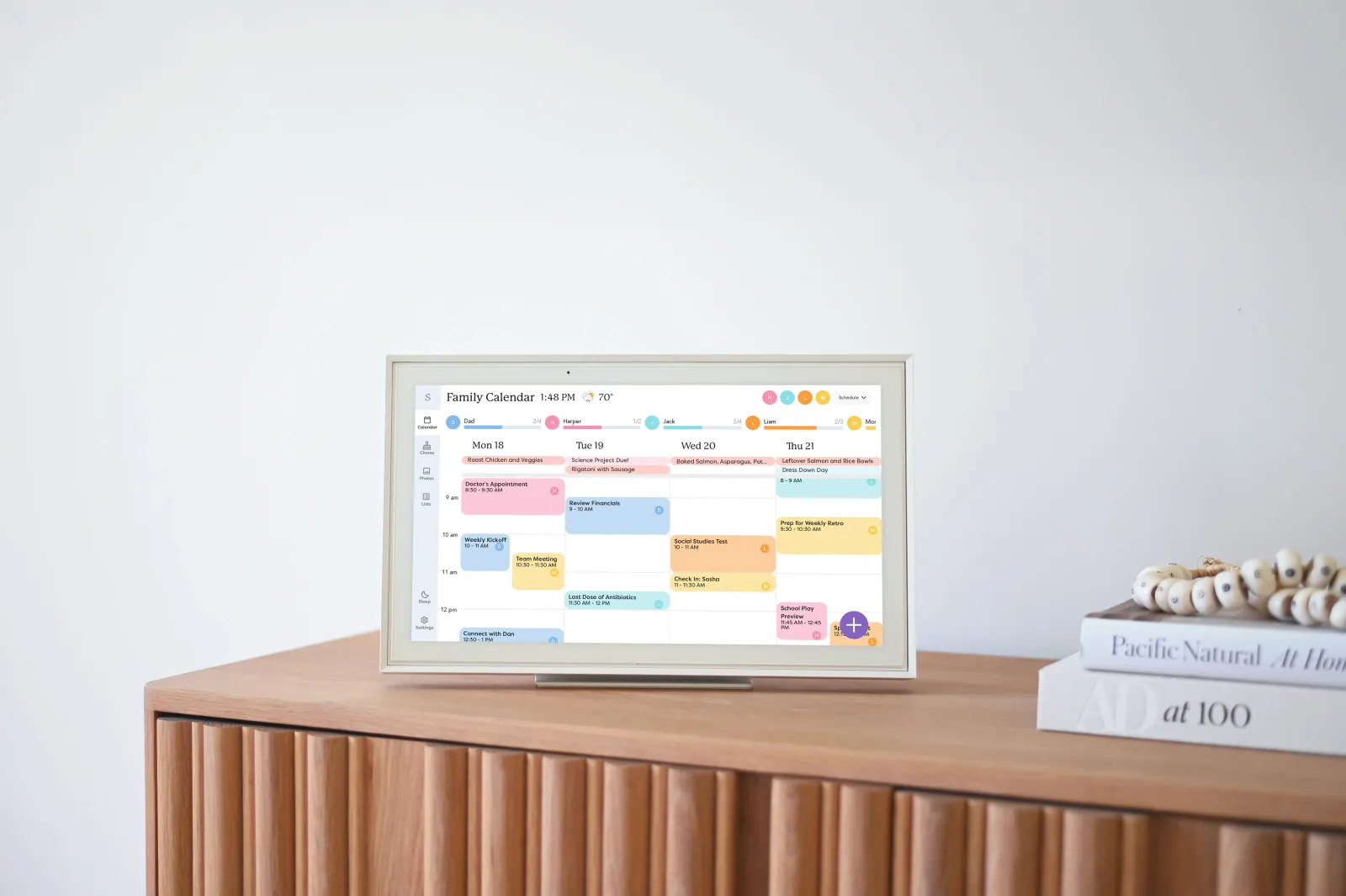
The narrative around smart home devices has long been dominated by the promise of automation and remote control. We are accustomed to speaking commands to a speaker or tapping a smartphone to adjust the thermostat. However, a recent perspective on Skylight’s touchscreen calendar suggests a different, more nuanced evolution in how families interact with technology. It is not just about controlling the house, but about coordinating the people within it.
According to the reporting, Skylight has evolved into the central informational hub for the household. This is a significant shift from being a mere decorative display to a functional command center. The device sits at the intersection of digital organization and physical presence, forcing a daily interaction that is both visual and tactile. This visibility is crucial for maintaining alignment in busy, multi-person households.
What stands out most is the impact on the children. The report notes that touchscreen-native kids have gained more agency over family activities. This is a profound change in household dynamics. Instead of parents dictating every schedule detail, children can now view, and potentially influence, the family calendar. This democratization of information reduces friction and empowers younger family members to take ownership of their time.
This trend reflects a broader move toward intuitive, gesture-based interfaces in domestic AI. As AI assistants become more sophisticated, the interface is becoming less about voice commands and more about visual clarity. A touchscreen calendar provides a shared mental model for the family. It makes abstract time tangible and visible to everyone, regardless of their technical literacy or age.
The implications for AI tool design are clear. Future personal assistants will likely prioritize shared, visual contexts over private, voice-only interactions. The value lies in synchronization and transparency. When a family can see the same information simultaneously, collaboration becomes seamless. This reduces the cognitive load on parents who previously had to act as the sole schedulers for the household.
For professionals managing remote teams or complex projects, this model offers a valuable lesson. Shared visual dashboards that allow multiple stakeholders to interact directly with the data can significantly improve coordination. The key is reducing the barriers to entry for participation. When everyone can see and touch the schedule, engagement increases and misunderstandings decrease.
What this means for you: Consider how you can apply this shared visibility to your own workflow. If you use a digital calendar or project management tool, try creating a shared view that is accessible to all team members or family members. Encourage direct interaction with the schedule rather than relying on verbal updates.
Here is a prompt you can use to help design a shared family or team schedule workflow: "Create a step-by-step guide for setting up a shared digital calendar that allows multiple users to add events and receive notifications. Include best practices for maintaining data hygiene and ensuring all members are aligned on priorities."
The rise of devices like Skylight signals that the future of AI in the home is collaborative. It is about creating systems that bring people together rather than isolating them in individual digital silos. By giving users agency through intuitive interfaces, we can build more harmonious and efficient domestic and professional environments.
Reporting basis: original story
← back to The Wire