the wire · #topnews · 2026-07-27
Inside the Wild Rescue Mission That Took 4 Beluga Whales to Chicago
Cech Tech Reviews
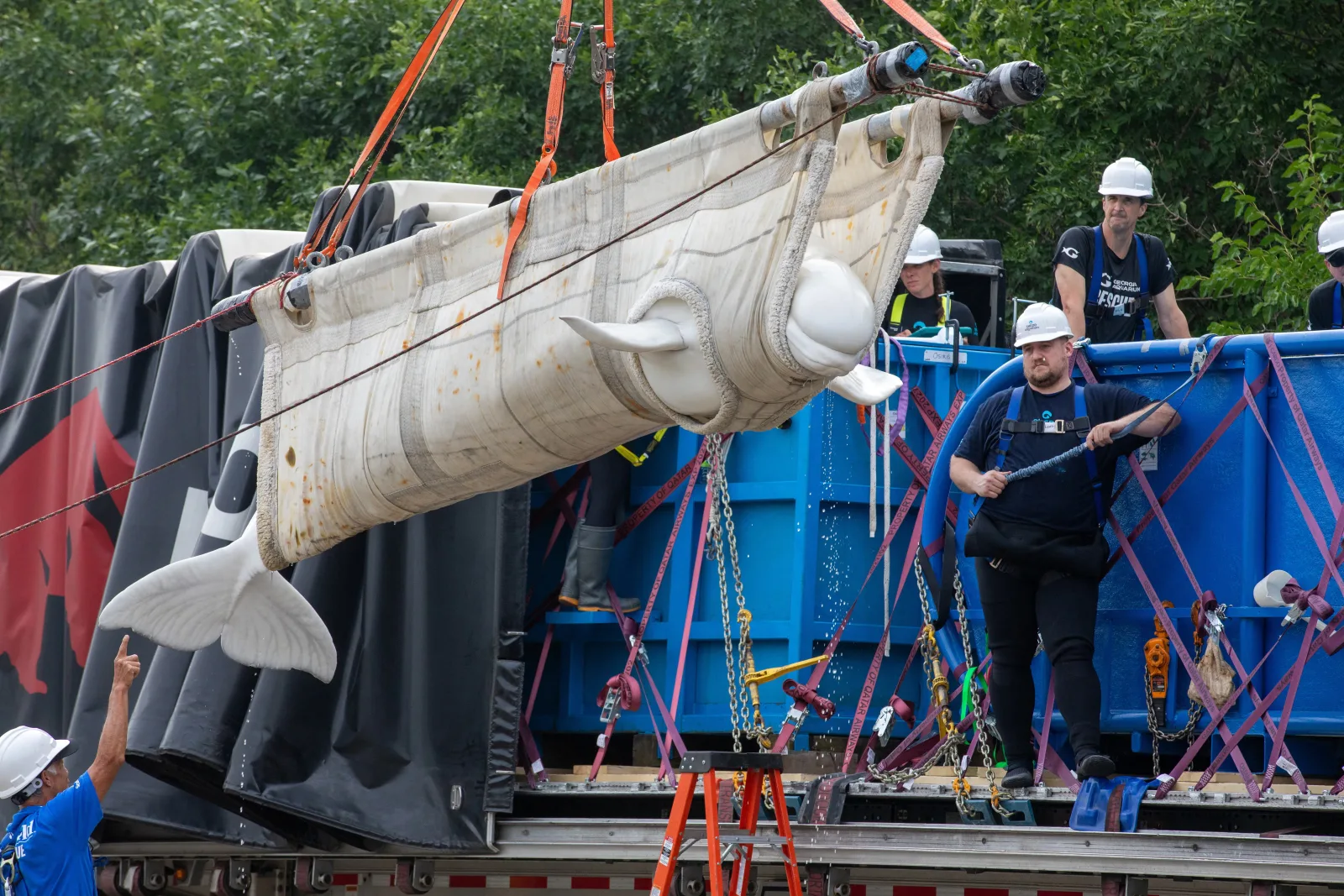
The recent rescue of four beluga whales from a bankrupt theme park in Canada is not just a heartwarming animal welfare story. It is a masterclass in crisis management that reveals how modern conservation relies on intricate logistical networks and advanced monitoring technologies. According to WIRED, the situation was dire, with the whales facing potential euthanasia due to the park's financial collapse. This near-tragedy underscores the fragility of captive marine life and the urgent need for robust safety nets.
The operation required coordinating multiple agencies, veterinarians, and transport specialists across international borders. Such complexity mirrors the challenges faced in large-scale AI deployments where system failures can have cascading effects. Just as the rescue team had to synchronize every move to ensure the whales' survival, AI engineers must design systems with fail-safes that account for unpredictable variables. The precision required in moving these massive animals highlights the value of predictive modeling in preventing catastrophic outcomes.
Scientists involved in the mission utilized real-time data tracking to monitor the health and stress levels of the belugas during transit. This approach is directly analogous to how AI operators use telemetry and anomaly detection to maintain system stability. By analyzing physiological data streams, the team could make immediate adjustments to the environment, much like an AI agent adjusting parameters in response to live feedback loops. This level of responsiveness is becoming standard in high-stakes tech environments where downtime is not an option.
The broader implication here is the growing role of technology in ethical decision-making. As we deploy more autonomous systems, we must consider how data-driven insights can prevent harm. The beluga rescue demonstrates that technology is not just about efficiency but also about preserving life and integrity. This perspective is crucial for developers building AI tools that interact with physical or sensitive human systems.
Furthermore, the public reaction to this event shows a deep desire for transparency in how organizations handle crises. Stakeholders want to see that decisions are based on data and expert consensus rather than opaque processes. This demand for explainability is driving the current wave of AI governance and ethical frameworks. Companies that prioritize clear, data-backed communication will build stronger trust with their users and partners.
What this means for you is that the principles of crisis management and real-time monitoring in animal rescue are directly applicable to your AI workflows. You can adopt similar strategies to enhance the reliability of your own systems. Try using an AI assistant to simulate failure scenarios in your current projects. Prompt your AI to generate a contingency plan for a specific system failure, detailing the data points you would monitor and the immediate actions to take. This practice builds resilience and prepares you for real-world disruptions.
Reporting basis: original story
← back to The Wire