the wire · #topnews · 2026-07-27
Measles Is Becoming So Common That Treatments May Soon Be Needed
Cech Tech Reviews
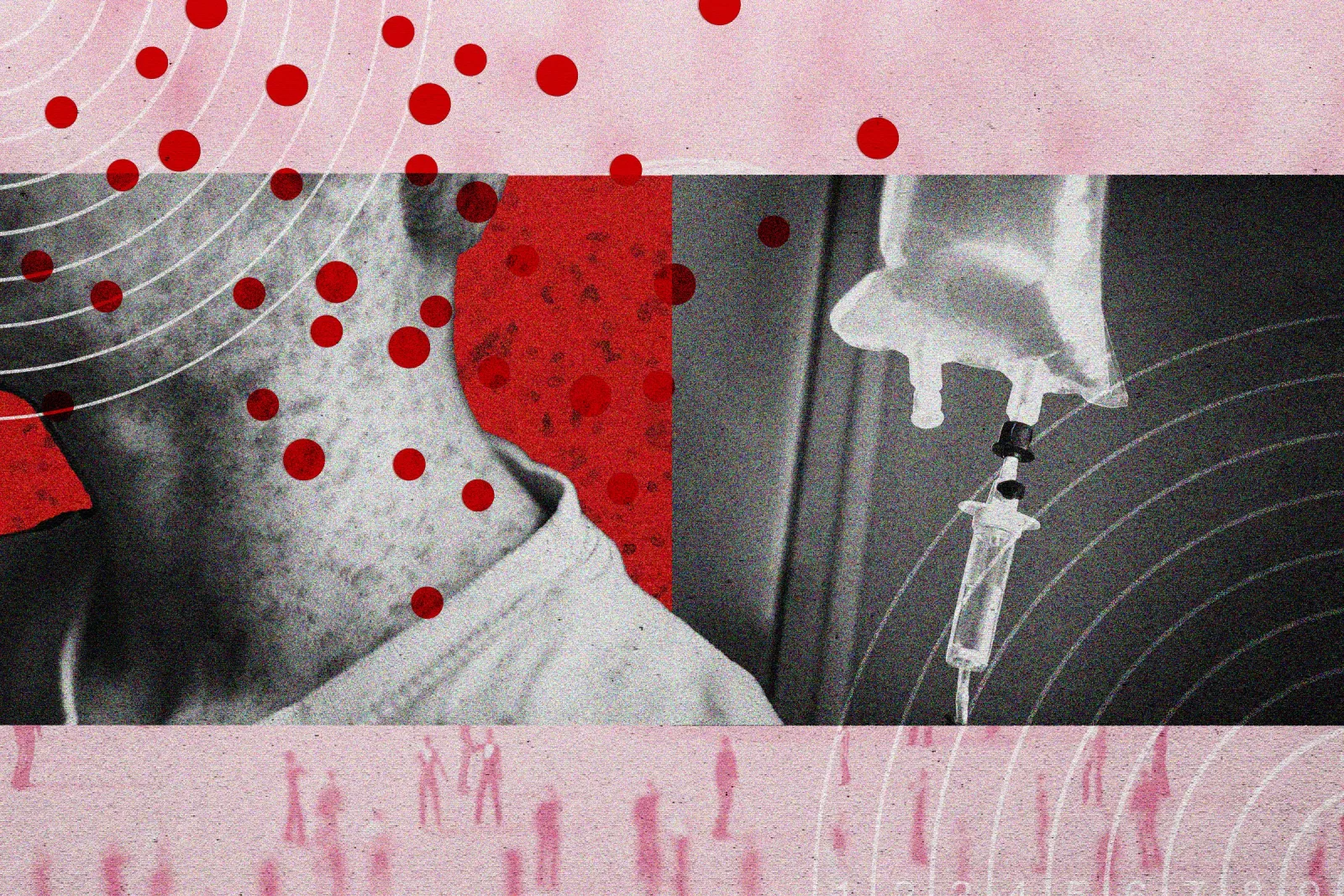
The United States is currently facing a significant public health challenge as measles cases reach their highest levels in decades. This resurgence is largely driven by declining vaccination rates across various communities, creating a scenario where the virus is spreading more easily than it has in years. According to recent reporting, this trend is forcing a reevaluation of how we handle infectious diseases that were once considered nearly eradicated.
In response to this growing threat, researchers are actively developing new pharmaceutical treatments. The goal is not just to manage symptoms but to provide viable options for those who contract the virus or are particularly vulnerable due to age or health conditions. This marks a shift from relying solely on prevention through vaccination to also having robust medical interventions in place.
The development of these drugs is a complex process that typically takes years. However, the urgency of the current situation is accelerating research timelines. Scientists are leveraging advanced computational models to identify potential compounds that can inhibit the virus or boost the immune response. This approach is becoming increasingly common in modern virology and drug discovery.
Artificial intelligence is playing a pivotal role in this effort. AI algorithms can analyze vast datasets of genetic information and protein structures to predict how different molecules might interact with the measles virus. This capability allows researchers to narrow down the list of potential treatments much faster than traditional methods. It is a prime example of how machine learning is transforming biomedical research.
The implications of this news extend beyond just measles. As other vaccine-preventable diseases show signs of resurgence, the infrastructure for rapid drug development will be crucial. We are seeing a broader trend where public health strategies are integrating technology more deeply to respond to emerging threats. This includes using predictive analytics to identify outbreaks before they become widespread.
For professionals in the tech and healthcare sectors, this highlights the importance of interdisciplinary collaboration. The intersection of AI, data science, and biology is no longer just a theoretical concept but a practical necessity. Organizations that can effectively bridge these gaps will be better positioned to address future health crises. It also underscores the need for continuous investment in digital health tools.
What this means for you If you work in healthcare, tech, or policy, stay informed about how AI is being applied to drug discovery. You can start by exploring open-source datasets related to virology and experimenting with basic machine learning models to understand their potential. Try this prompt with an AI assistant: "Explain the current role of AI in accelerating vaccine and drug development for resurgent infectious diseases, and list three key challenges researchers face in this process." This will help you grasp the technical nuances and strategic implications of this evolving field.
Reporting basis: original story
← back to The Wire