the wire · #ai · 2026-09-30
The AI Tamagotchis are coming
Cech Tech Reviews
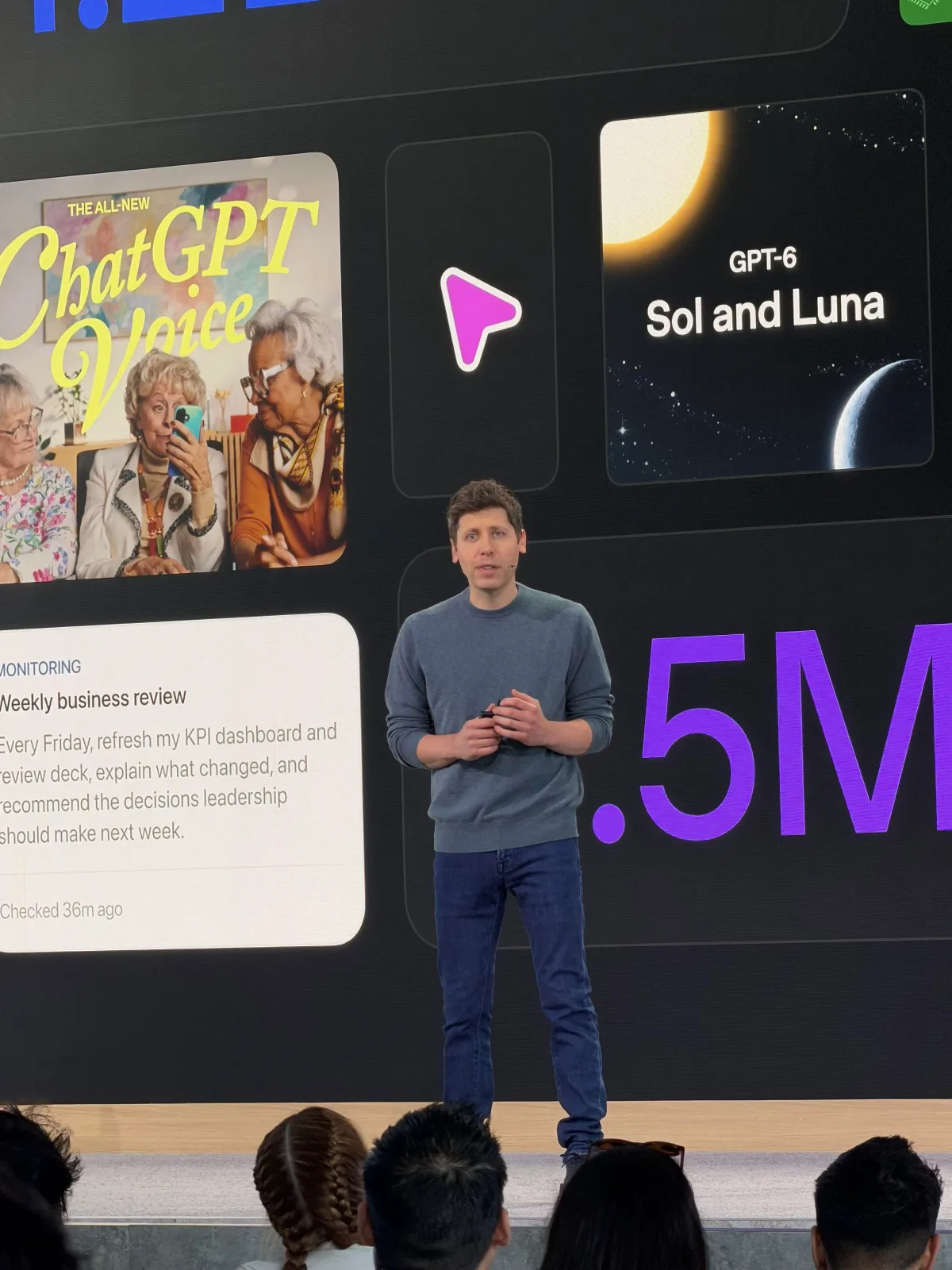
Meta and OpenAI are taking the same gamble: they think you'll buy an AI device if it has a personality. According to The Verge, both companies are pushing into physical hardware over the next year, and rather than lead with productivity promises like failed predecessors Humane AI Pin and Friend, they're betting on their character-based AI agents to drive adoption. Think digital pets more than digital assistants.
This is a sharp strategic turn. Earlier AI hardware tried to sell utility, better email, faster answers, hands-free everything, and flopped hard. The new approach banks on emotional attachment instead. OpenAI is collaborating with Jony Ive, the designer behind the iPhone's iconic feel, while Meta is leveraging its stable of AI personas it already rolled out across Instagram and Facebook. Both are testing whether people will pay for a physical object that hosts a virtual companion.
The timing is risky. Public sentiment around AI is souring, with concerns about job displacement, misinformation, and energy use all rising. Launching a gadget that exists mainly to chat could read as tone-deaf, or it could tap into something deeper: the proven human appetite for anthropomorphized tech. Tamagotchis, Furbies, and even Siri's early days showed people will bond with responsive digital beings.
The Jony Ive involvement is the tell here. OpenAI isn't just building a smart speaker, they're aiming for an object people want to keep on their desk or nightstand. Design will matter as much as the AI inside. If the hardware feels cheap or the interaction feels clunky, no amount of GPT-4 charm will save it.
Meta has a different edge: distribution. It already has hundreds of millions of users interacting with its AI characters in-app. A physical device could be a natural next step for users already attached to a specific agent. OpenAI, meanwhile, has brand heat and the Ive halo, but no track record in hardware. Both are expensive bets in a climate where AI companies are under pressure to show sustainable business models beyond API access.
What this means for you: If you're using AI agents for work today, these devices could let you offload lower-stakes interactions, like brainstorming or daily planning, to a persistent companion rather than opening an app. Try this now: ask your AI assistant to roleplay as a creative partner who checks in with you each morning. Prompt it with, "You're my daily co-pilot. Every morning, ask me three questions: what's my main goal today, what's one risk I should watch for, and what's one idea I haven't considered yet." Test if a personality-forward interaction changes how you use AI, because that's the shift these companies are designing for.
Reporting basis: original story
← back to The Wire