the wire · #topnews · 2026-10-25
Oil Spills Wreak Havoc on the Bottom of the Ocean, Even a Decade Later
Cech Tech Reviews
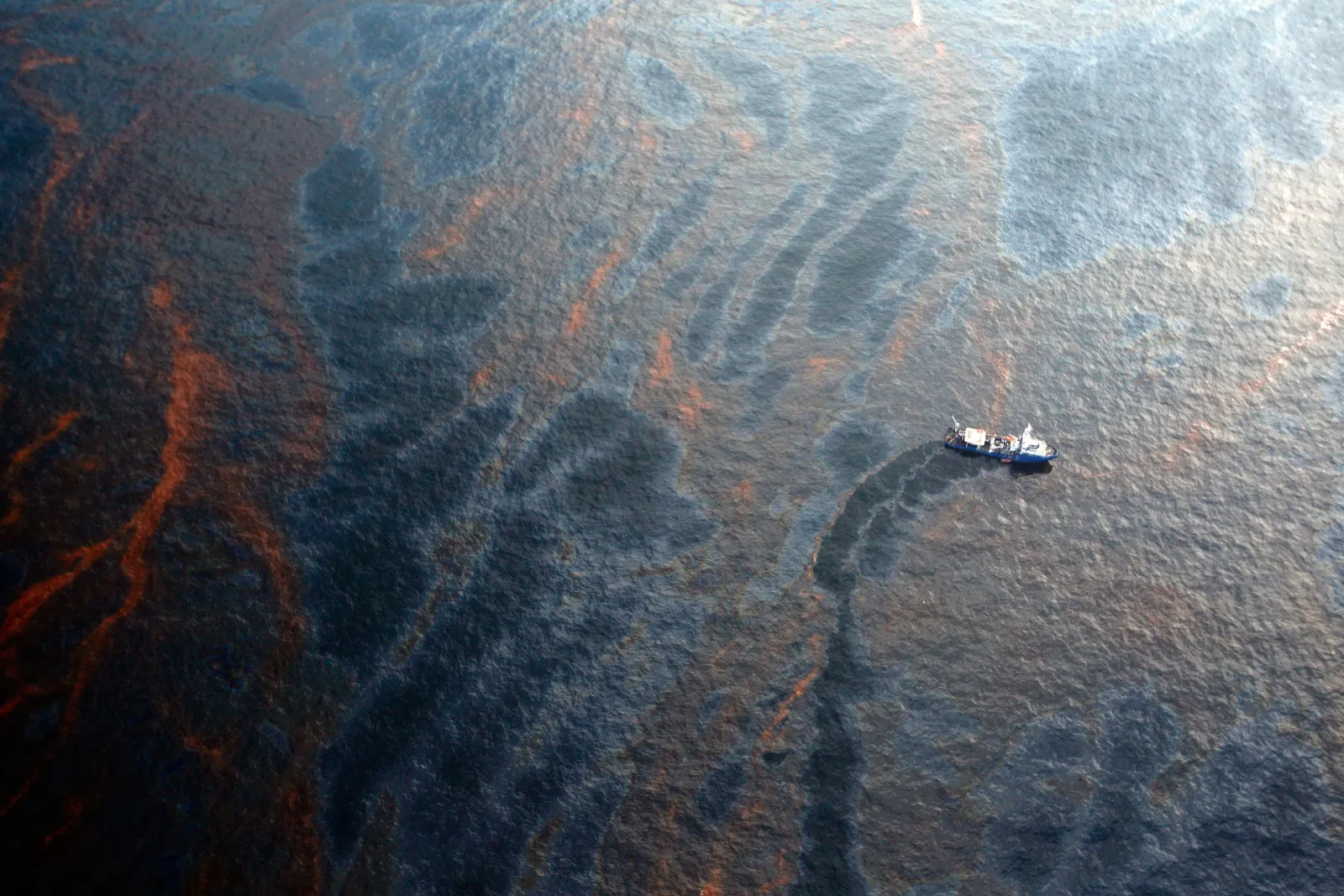
We often think of oil spills as surface-level disasters. The visible slicks on the water grab headlines, and cleanup efforts focus on coastlines and beaches. However, a new study published in the Proceedings of the National Academy of Sciences suggests the damage goes much deeper, quite literally. According to the reporting, oil can permeate even the most extreme deep marine habitats, causing harm that persists for decades.
The research indicates that animal populations in these affected zones have declined by as much as eighty percent. This is not a temporary dip in numbers. It is a structural collapse of the ecosystem that can last for ten years or more. The oil does not just sit on the surface. It sinks, mixes with sediments, and becomes embedded in the environment where it continues to leach toxins.
This finding is particularly alarming because deep-sea ecosystems are generally slow to recover. They operate on different biological clocks than surface waters. Species in the deep ocean often have slower growth rates and lower reproductive rates. When a major disturbance hits, the natural regeneration process is incredibly sluggish. The oil acts as a persistent stressor that prevents recovery.
The implications for our understanding of environmental resilience are profound. We have long assumed that the vastness of the ocean would dilute and neutralize pollutants over time. This study proves that assumption wrong in deep-water contexts. The oil does not disappear. It transforms and moves into the food web, affecting organisms we rarely see or study.
From an AI and technology perspective, this highlights a critical gap in our monitoring capabilities. Current satellite and drone technologies are excellent for tracking surface spills. They are less effective at detecting subsurface contamination or sediment-bound pollutants. We need better tools to see what is happening below the surface. Remote sensing alone is insufficient for deep-sea environmental protection.
This is where artificial intelligence and advanced data analytics can step in. We need systems that can integrate diverse data sources. Think about combining acoustic data from underwater sensors with chemical analysis from water samples. Machine learning models could identify patterns that indicate the presence of subsurface oil plumes. These models could predict how the oil will move through sediment layers over time.
What this means for you is that the role of AI in environmental science is expanding beyond simple classification tasks. It is moving into complex predictive modeling for ecological health. If you work in sustainability, logistics, or environmental tech, you should be exploring how AI can enhance deep-sea monitoring. Consider building a workflow that ingests historical spill data and current sensor readings to predict high-risk zones. You could use a prompt like this to start: 'Analyze the provided dataset of deep-sea sediment samples and historical oil spill locations to identify potential correlation patterns between sediment depth and toxicity levels over a ten-year period.' This approach turns raw data into actionable ecological insights.
Reporting basis: original story
← back to The Wire