the wire · #topnews · 2026-10-26
The Tragedy of Having a Wikipedia Page, and Then Losing It
Cech Tech Reviews
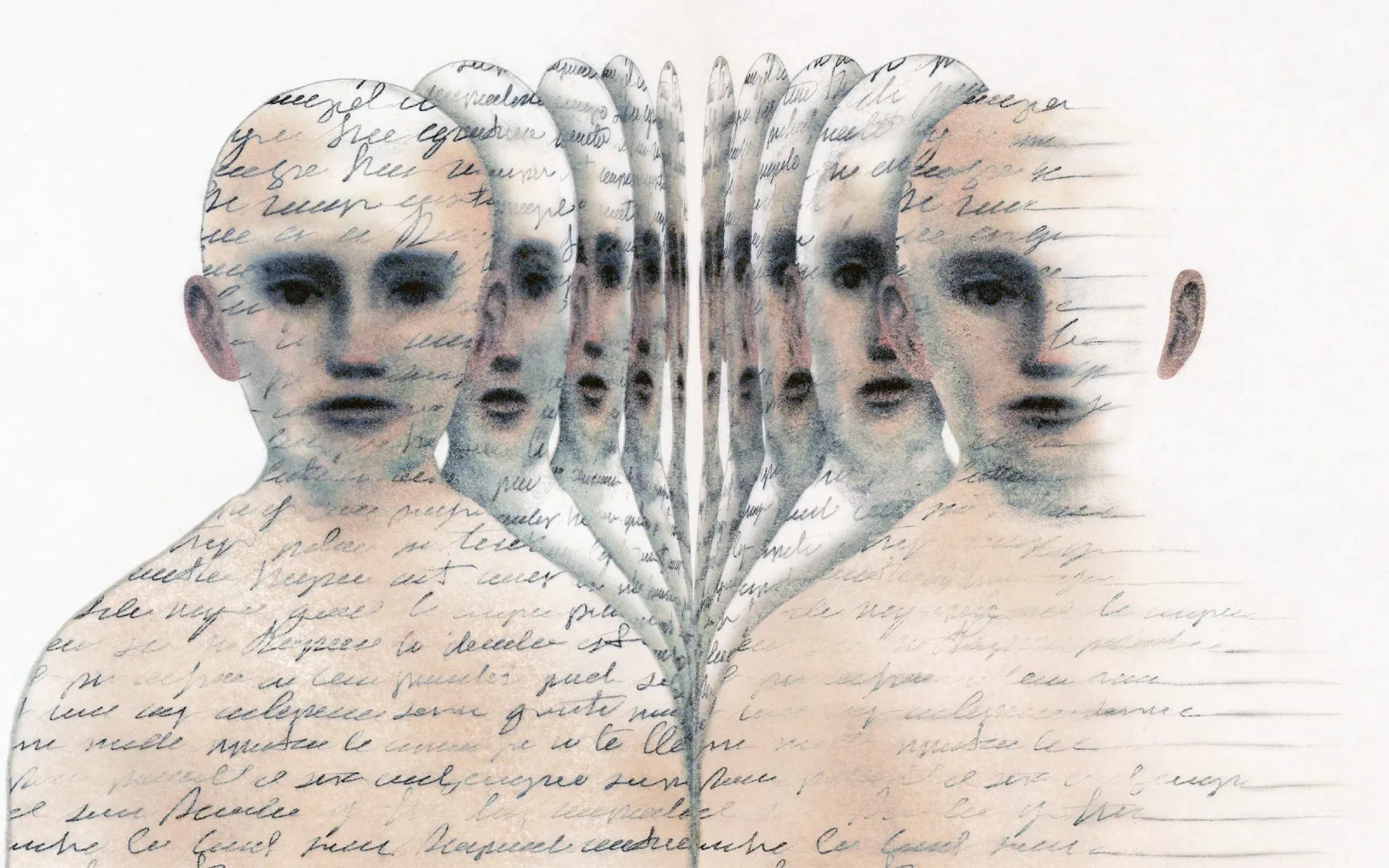
Wikipedia operates as the internet's primary source of truth, yet it maintains a ruthless gatekeeping policy regarding who gets a permanent entry. According to recent reporting on the platform's deletion mechanics, biographies of living people are flagged and removed daily because the subjects fail to meet strict notability criteria. This process is not a judgment of character but a rigorous test of public record and independent verification.
The tragedy lies in the sudden erasure of digital identity. For many professionals, entrepreneurs, or niche experts, a Wikipedia page feels like a badge of honor. It signals that their work has reached a level of cultural or industry significance that warrants archival. Losing that page can feel like a professional defeat, even if the individual remains active and successful in their field.
This dynamic is particularly relevant to the AI community. We often see founders and developers build impressive tools that gain traction but lack the broad media coverage required for Wikipedia inclusion. The platform demands significant coverage in multiple independent, reliable sources. Most AI startups, no matter how innovative, do not generate that volume of third-party journalism in their early stages.
The gap between having an online presence and having a verifiable, notable one is widening. In the age of AI-generated content, distinguishing between organic public interest and manufactured hype is becoming harder. Wikipedia's editors are increasingly vigilant about deleting pages that appear to be self-promotional or lacking in genuine public discourse. This makes the notability bar even higher for new tech figures.
For AI practitioners, this serves as a reminder that digital assets are fragile. Relying on third-party platforms for your professional narrative carries inherent risk. If you build your reputation solely on a Wikipedia page, you are building on sand. The platform can change its rules, or your subject can fall out of the news cycle, leading to immediate deletion.
The broader implication is a shift toward owned media. Instead of chasing Wikipedia inclusion, professionals should focus on building robust, independent digital footprints. This includes personal websites, published research, and active engagement in industry communities. These assets are under your control and cannot be deleted by a community vote.
What this means for you: Do not treat Wikipedia as a primary career milestone. Use it as a secondary verification tool. Focus on creating original content and building relationships with journalists who can provide the independent coverage needed for notability. To test your own notability, try this prompt with an AI assistant: "Analyze my recent public mentions and press coverage. Identify gaps in independent, reliable sourcing that would prevent a Wikipedia biography from being created, and suggest three high-impact media outlets I should target to fill those gaps."
Ultimately, the loss of a Wikipedia page is a lesson in resilience. It forces individuals to prove their value through ongoing contribution rather than static archival status. In the fast-moving world of AI, adaptability and owned presence will always outweigh the prestige of a deleted page.
Reporting basis: original story
← back to The Wire