the wire · #topnews · 2026-08-26
PeopleFinders’ New Website Runs Background Checks on Your Dates
Cech Tech Reviews
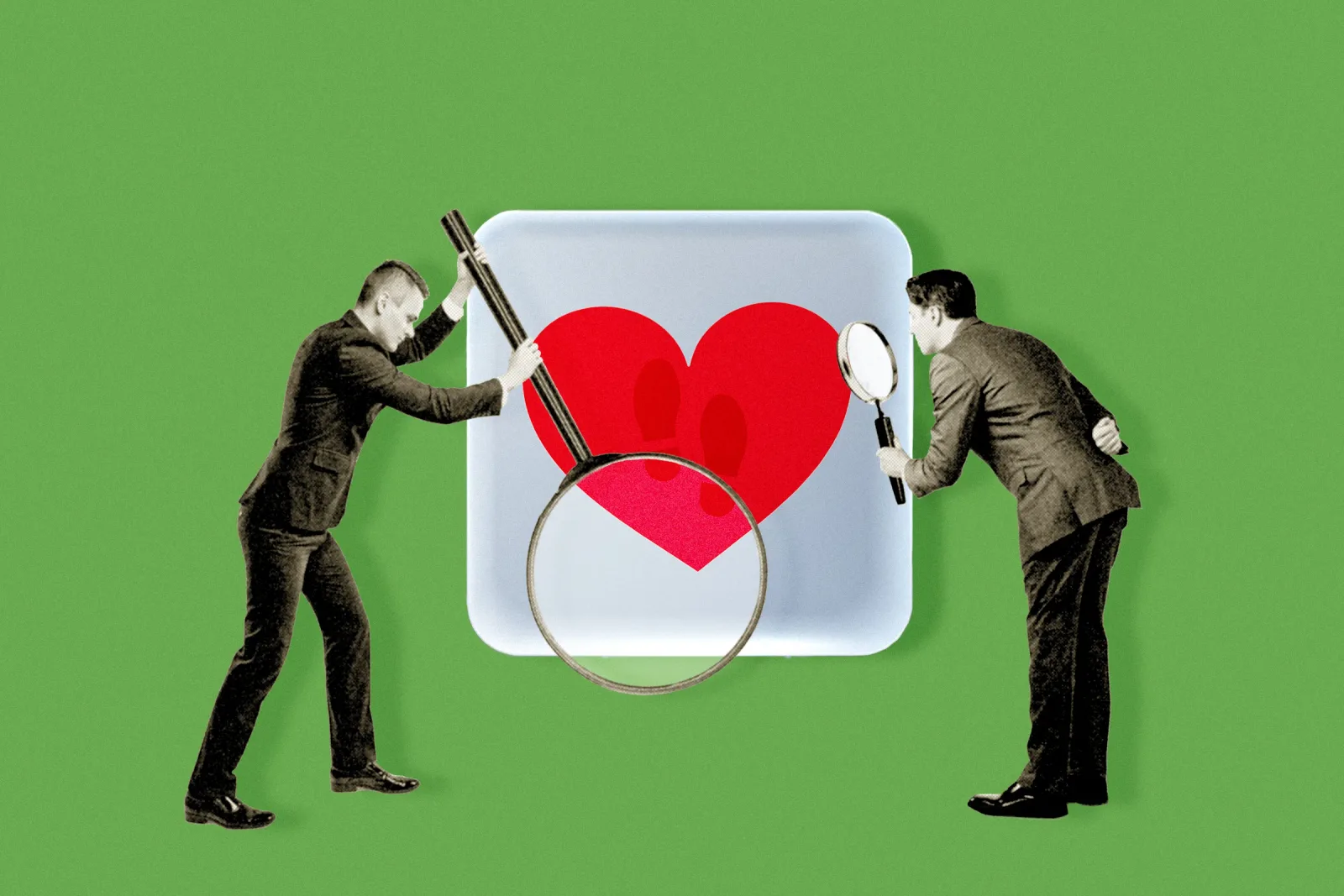
The dating landscape is shifting in a way that feels both inevitable and deeply unsettling. PeopleFinders has launched a new platform called Stud or Dud. It allows users to run background checks on potential romantic partners before meeting them in person. The service leverages the same public data infrastructure that powers its parent company’s main site.
This move highlights a growing trend where personal privacy collides with the demand for safety in online dating. Users are increasingly looking for ways to verify identities beyond profile pictures and bios. The platform promises to dig up dirt on paramours using publicly available records. It aims to provide a layer of security that traditional dating apps do not offer.
However, the implications of this technology are complex. Public records are not always accurate or up to date. Relying on them for personal decisions can lead to false positives or missed contexts. A minor legal issue from years ago might be flagged as a major red flag. This lack of nuance can unfairly disqualify otherwise compatible matches.
According to reports, the service comes with many of the same concerns as traditional background check sites. Critics argue that it normalizes invasive surveillance in personal relationships. It blurs the line between reasonable caution and obsessive monitoring. This could create a culture of suspicion rather than trust in early dating stages.
The business model here is also worth analyzing. PeopleFinders is monetizing anxiety. They are tapping into the genuine fear of meeting strangers online. This reflects a broader industry shift where data brokers are finding new markets for their information. The commodification of personal history is becoming more accessible to everyday consumers.
From an AI perspective, this raises questions about data ethics and algorithmic bias. If such tools were to integrate machine learning, they might predict behavior based on historical data. This could reinforce stereotypes or discriminatory patterns. The potential for misuse in personal relationships is significant and largely unregulated.
What this means for you is that you must be cautious about how you use and share personal data. Consider the ethical boundaries of vetting partners. You might try this prompt with an AI assistant to draft a conversation about privacy expectations with a new date. Ask your AI to help you frame a respectful inquiry about mutual safety without sounding accusatory or invasive.
Reporting basis: original story
← back to The Wire