the wire · #topnews · 2026-08-26
Google's SynthID watermark is hard to break, but it doesn't solve AI disinformation
Cech Tech Reviews
The scale of the AI media explosion is genuinely difficult to comprehend. Starling Lab highlights a stark contrast in history. It took humanity 149 years to create 1.5 billion images after the camera was invented. Generative AI achieved that same volume in just 18 months.
This acceleration is not slowing down. Google reported at I/O that its tools have generated over 100 billion images and videos in just a few years. This statistic alone suggests that traditional verification methods are already obsolete. We are drowning in synthetic content before we even built the lifeboats.
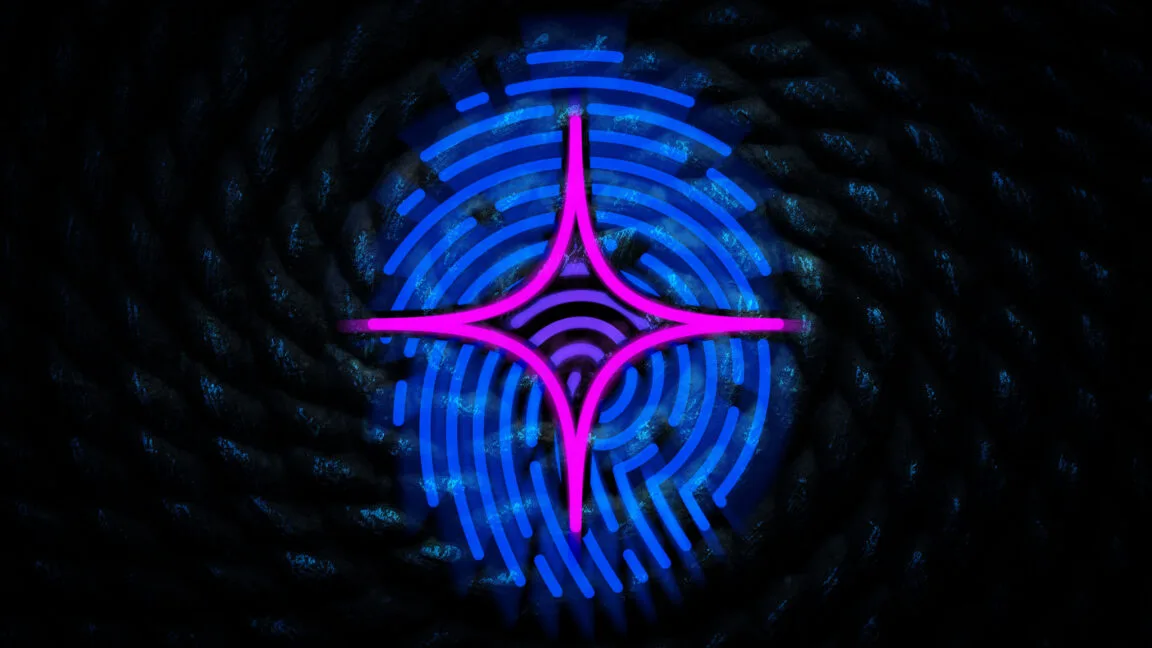
Google is responding with SynthID watermarking technology. They have announced partnerships to expand its use across their ecosystem. The goal is to label AI-generated content so users can identify what is real. It is a logical step toward transparency in a chaotic digital landscape.
However, the technical robustness of the watermark is not the real issue. The problem is that SynthID does not solve the core challenge of AI disinformation. Watermarks can be stripped. They can be ignored. They require infrastructure that does not yet exist universally.
According to the reporting, the watermark is hard to break technically. But that is a minor victory in a war of scale. If a malicious actor can generate a million fake images in seconds, a watermark is just a tiny flag in a hurricane. It does not prove authenticity. It only suggests origin.
This reveals a deeper flaw in our approach to AI safety. We are focusing on labeling rather than verification. Labeling assumes good faith and widespread adoption. Verification requires cryptographic proof that is currently lacking. We need tools that prove truth, not just tools that mark potential lies.
The broader implication is that we are entering an era of radical uncertainty. Trust in digital media will erode further. We cannot rely on platforms to self-regulate with watermarks. We need new standards for digital provenance that go beyond simple tags.
What this means for you is that you must assume all media is potentially synthetic. Do not trust watermarks as proof of truth. Instead, use cross-referencing and human judgment. Try this workflow with an AI assistant: paste a suspicious image description and ask the AI to list common artifacts of generative models. Then search for the original source using reverse image tools to verify context.
Reporting basis: original story
← back to The Wire