the wire · #topnews · 2026-08-19
Reverse-Lookup Service Exposed Millions of Photos of People’s Faces
Cech Tech Reviews
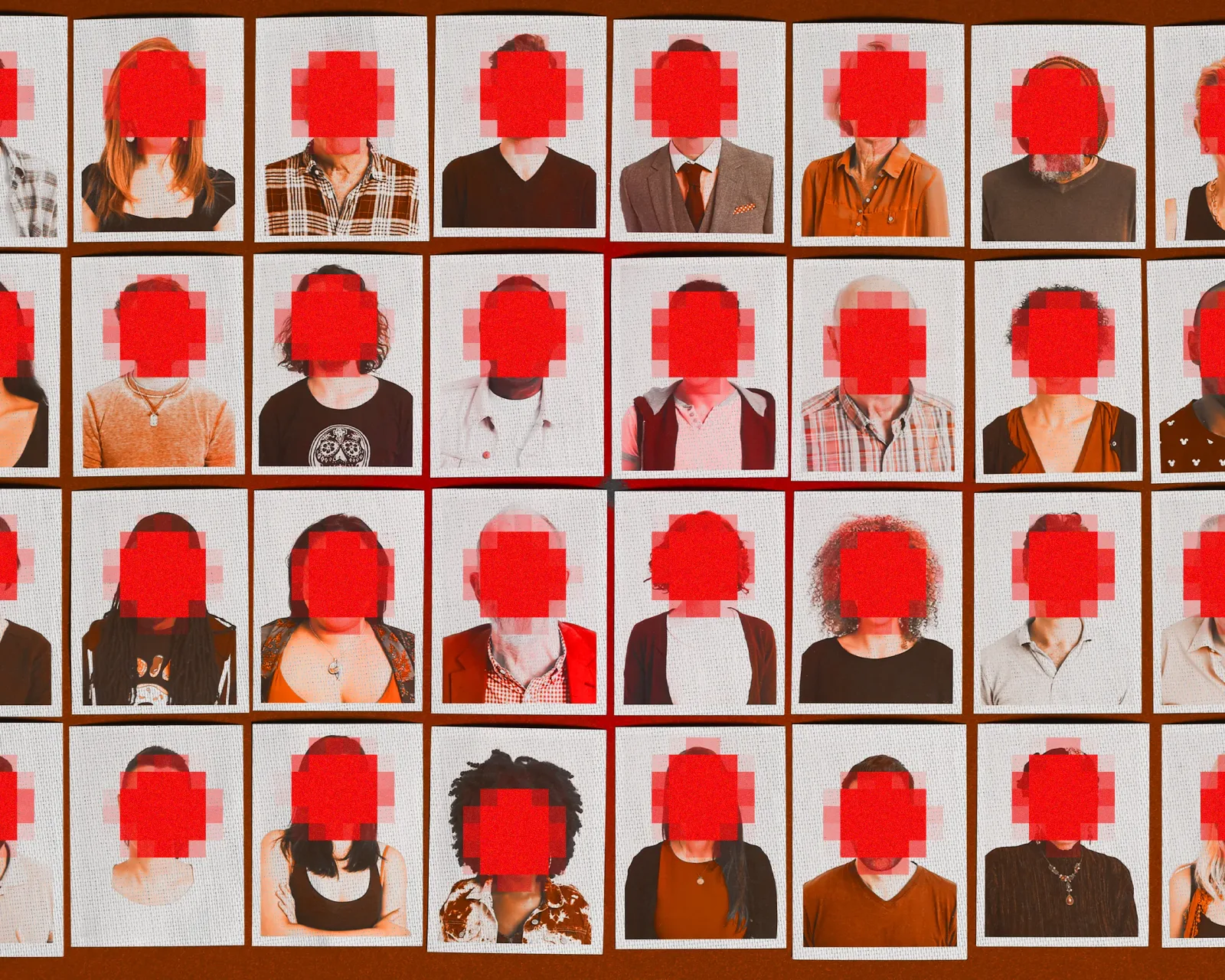
ClarityCheck, a reverse image search service that lets users identify people from photos, exposed a database containing over 9 million facial images despite marketing itself as a private and secure platform, according to reporting by WIRED. The breach underscores a growing problem: the companies scraping and monetizing our facial data often can't protect it.
Reverse lookup tools like ClarityCheck operate in a murky space between useful technology and privacy nightmare. They pull images from public sources across the web, index faces, and sell access to anyone willing to pay. When these databases leak, it's not just photos that get exposed, it's the link between faces and identities that makes the data so sensitive.
This incident matters because facial recognition infrastructure is proliferating faster than the security practices protecting it. We're building a world where your face is a searchable database key, but the databases themselves are often protected no better than a forgotten S3 bucket. ClarityCheck's exposure is just one example in a pattern that includes Clearview AI's breaches and numerous other facial data leaks over the past few years.
The business model itself creates risk. These services need massive datasets to be useful, which means scraping widely and storing extensively. That creates a honeypot. Even if a company has good intentions, the dataset is valuable to bad actors, and as we've seen repeatedly, securing large databases requires more resources and expertise than many startups allocate.
For anyone building or using AI tools, this is a reminder that third-party data services carry hidden liability. If your product relies on external facial recognition APIs or people-search tools, you're inheriting their security posture and their regulatory risk. As facial recognition regulation tightens globally, depending on these services becomes riskier.
What this means for you: If you're building products that handle personal data or biometrics, assume any third-party service you integrate will eventually have a breach. Design your architecture to minimize what you store and what you share. Before integrating any people-search or facial recognition API, ask your AI assistant: "What are the privacy and security risks of integrating [service name] into my product, and what architecture patterns can I use to minimize data exposure if the third party is breached?" That prompt can surface threat models and design alternatives before you're locked into a risky dependency.
Reporting basis: original story
← back to The Wire