the wire · #ai · 2026-07-14
Google’s Demis Hassabis says it’s time for a global AI watchdog, led by the US
Cech Tech Reviews
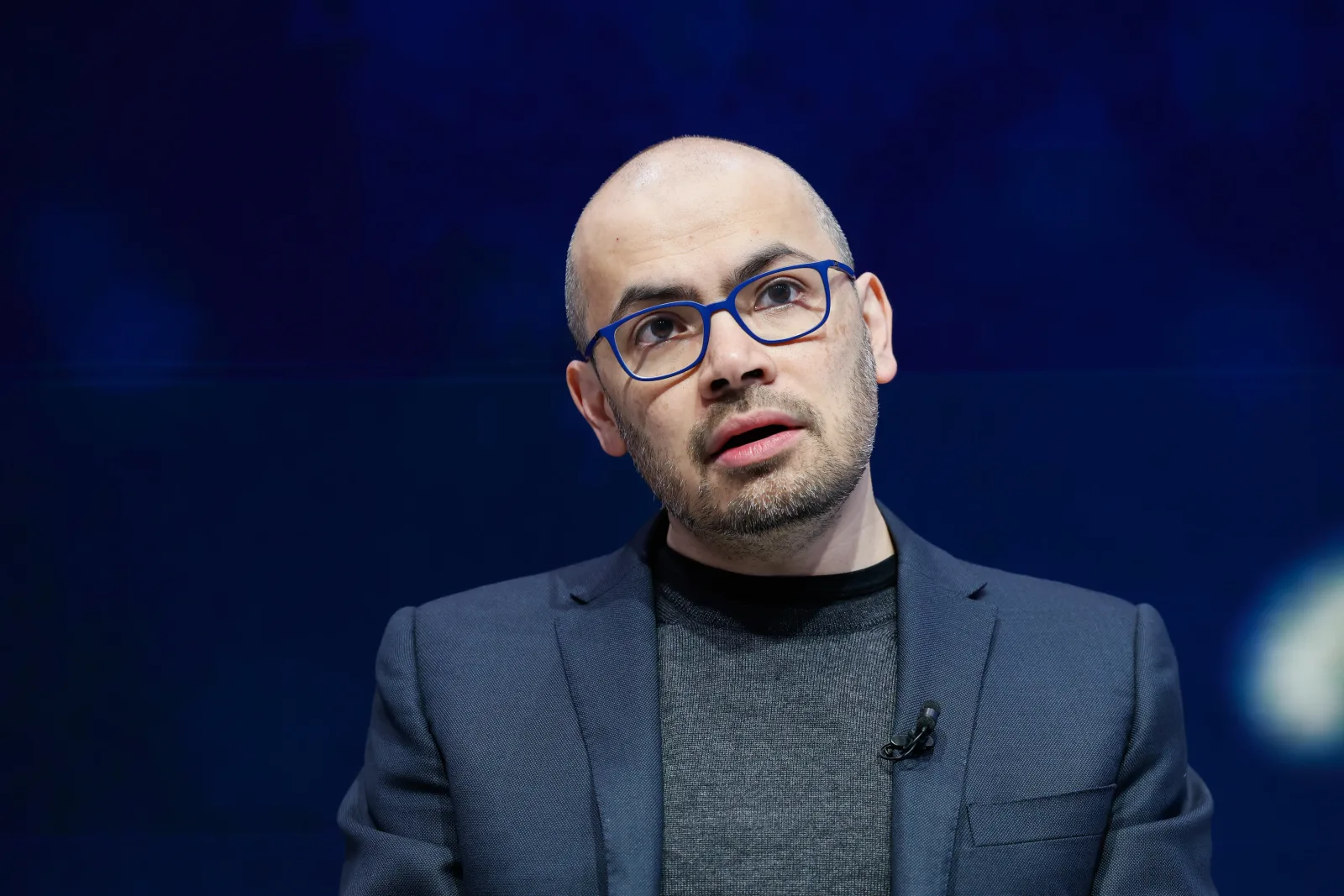
Demis Hassabis is making a bold move to reshape the future of artificial intelligence governance. According to reporting by The Verge, the Google DeepMind CEO and cofounder argued during a panel at the World Economic Forum that the world urgently needs a global AI watchdog. This is not just another call for ethical guidelines. He is proposing an entity with the actual power to hit the brakes on frontier models that prove too dangerous.
The proposal is striking because it explicitly names the United States as the leader for this initiative. Hassabis argues that America is the best place to set global standards due to its overwhelming economic and technical standing. This is a pragmatic acknowledgment of the current power dynamics in the tech industry. It suggests that regulation will not come from a neutral international body, but from the country that currently dominates the sector.
He envisions this organization resembling existing regulatory frameworks like the Financial Industry Regulatory Authority. This comparison is significant because it implies a structure that is both independent and industry-specific. The goal would be to create a system that can evaluate frontier models before they are released to the public. This moves the industry away from post-hoc liability toward pre-release safety checks.
The composition of this watchdog would include leading independent experts and representatives from open-source communities. Including open-source voices is a clever strategic move. It helps bridge the gap between closed corporate labs and the decentralized developer community. Without this inclusion, any regulatory body would likely face immediate pushback from the broader AI ecosystem.
This proposal signals a major shift in how tech leaders view their own products. For years, the narrative has been about speed and competition. Now, the architects of these systems are admitting that unchecked development poses a tangible risk. They are essentially asking for a referee because they believe the game is becoming too dangerous to play without one.
The implications for the broader tech industry are profound. If the US leads this charge, it could set a de facto global standard. Other nations may feel pressured to align with these rules to maintain economic ties. This could centralize regulatory power in Washington in a way that few anticipated just a few years ago.
What this means for you is that the era of unregulated AI experimentation is likely ending. Professionals using AI tools should prepare for a landscape where model releases are more controlled and safety evaluations are standard. To stay ahead, you should audit your current AI workflows for compliance and safety. Try using this prompt with an AI assistant to review your data handling practices: Analyze my current AI workflow for potential data privacy risks and suggest three specific safeguards I can implement immediately to align with emerging regulatory standards.
Reporting basis: original story
← back to The Wire