the wire · #topnews · 2026-10-26
The US Government Is Hiding a Secret Court Ruling About How It Spies on Americans
Cech Tech Reviews
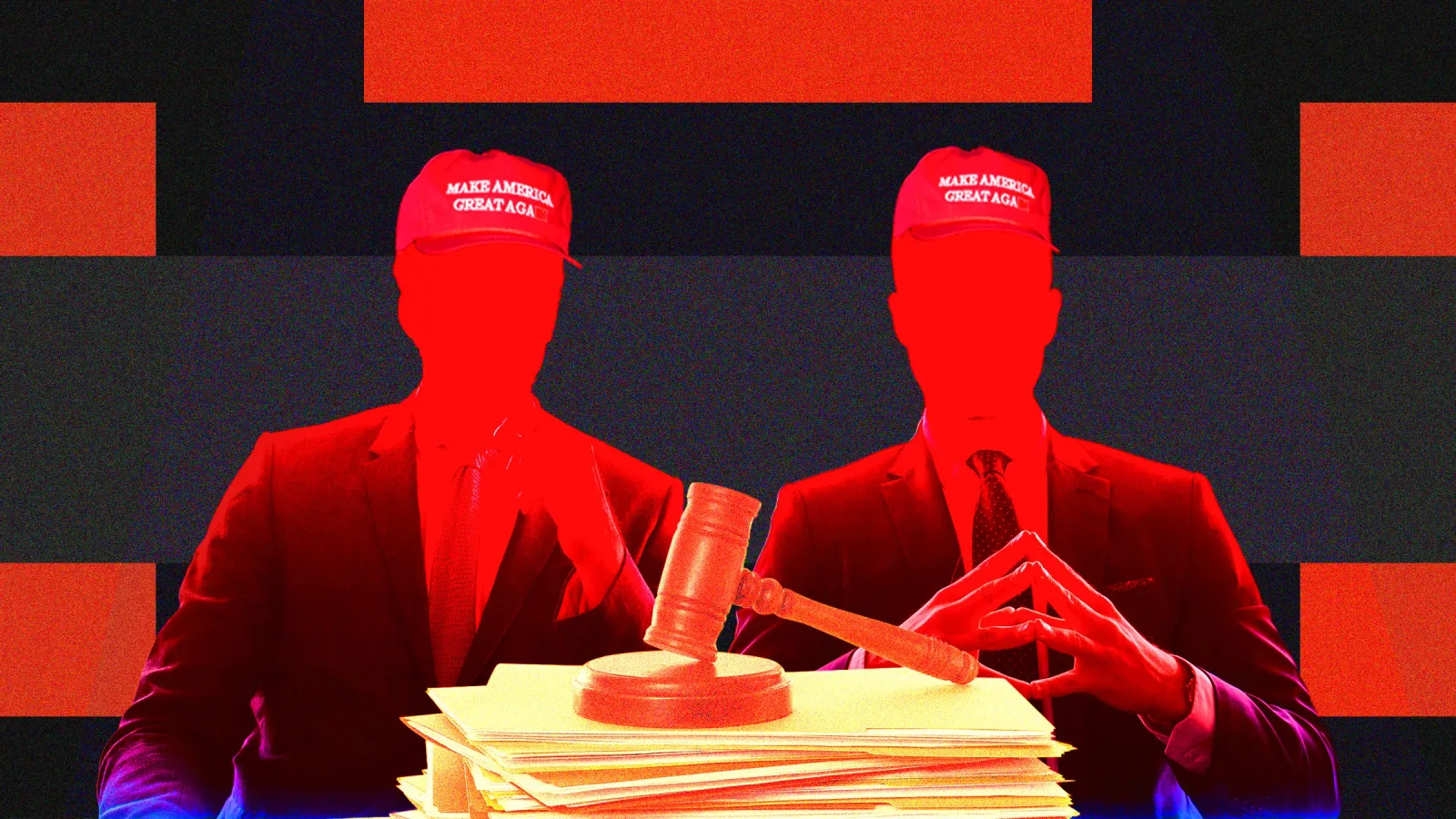
The intersection of government surveillance and artificial intelligence is about to get a lot more complicated. According to reporting by The New York Times, two US senators are accusing the Trump administration of breaking the law by refusing to release a secret Foreign Intelligence Surveillance Court decision. This ruling is central to the ongoing debate over renewing America’s most sweeping surveillance authorities.
The core of the dispute involves Section 702 of the Foreign Intelligence Surveillance Act. This provision allows US intelligence agencies to collect communications of non-citizens located abroad, even if it incidentally captures data belonging to Americans. The administration is currently pushing Congress to reauthorize this program, but the process is stalled by demands for transparency that the White House is resisting.
Senators are arguing that withholding the court’s reasoning prevents meaningful legislative oversight. They claim this lack of transparency violates statutory requirements for public disclosure of certain FISA court opinions. The administration contends that releasing the details would compromise national security methods and sources.
This legal standoff has significant implications for how AI systems process personal data. Modern surveillance relies heavily on machine learning algorithms to sift through vast amounts of intercepted communications. If the underlying legal framework and judicial interpretations remain hidden, it is nearly impossible for the public or even technologists to understand the full scope of data collection.
The opacity also raises concerns about algorithmic bias and accountability. When the rules governing data access are secret, it becomes difficult to audit whether AI models are being trained on unlawfully obtained information. This could lead to systemic errors or biases that are hard to detect without clear legal boundaries.
For AI professionals, this situation highlights the growing importance of legal tech literacy. Understanding the regulatory environment is no longer just a compliance task. It is a critical component of building trustworthy and ethical AI systems that respect user privacy.
What this means for you: As AI tools become more integrated into enterprise security and data analysis, staying informed about surveillance laws is crucial. You should advocate for clear data governance policies in your organization that align with emerging legal standards. Try using an AI assistant to draft a privacy impact assessment template that specifically addresses data provenance and legal compliance checkpoints. This will help you prepare for stricter regulatory environments in the near future.
Reporting basis: original story
← back to The Wire