#ai-hardware · 2026-09-21
MSI EdgeMesa N AI+: 128 GB Unified Memory Meets RTX Spark N1X in a Compact AI Workstation

The verdict
Promising specs for local AI work, but wait for independent thermal testing and pricing confirmation before committing.
$2,000+ (estimated)
What slaps
- +128 GB unified memory handles large language models without bottlenecks
- +Compact mini PC form factor saves desk space
- +RTX Spark N1X architecture optimized for AI inference workloads
What stings
- −No confirmed pricing or availability date yet
- −Unknown thermal performance in such a compact chassis
- −Limited third-party validation of real-world AI performance claims
🚩 Before you buy
- !Zero independent benchmarks for RTX Spark N1X chip
- !No confirmed pricing or availability date
- !Thermal design unproven for sustained AI workloads in compact chassis
- !Software stack and driver support details not disclosed
Spec sheet
| Processor | NVIDIA RTX Spark N1X |
| Memory | Up to 128 GB LPDDR5X unified memory |
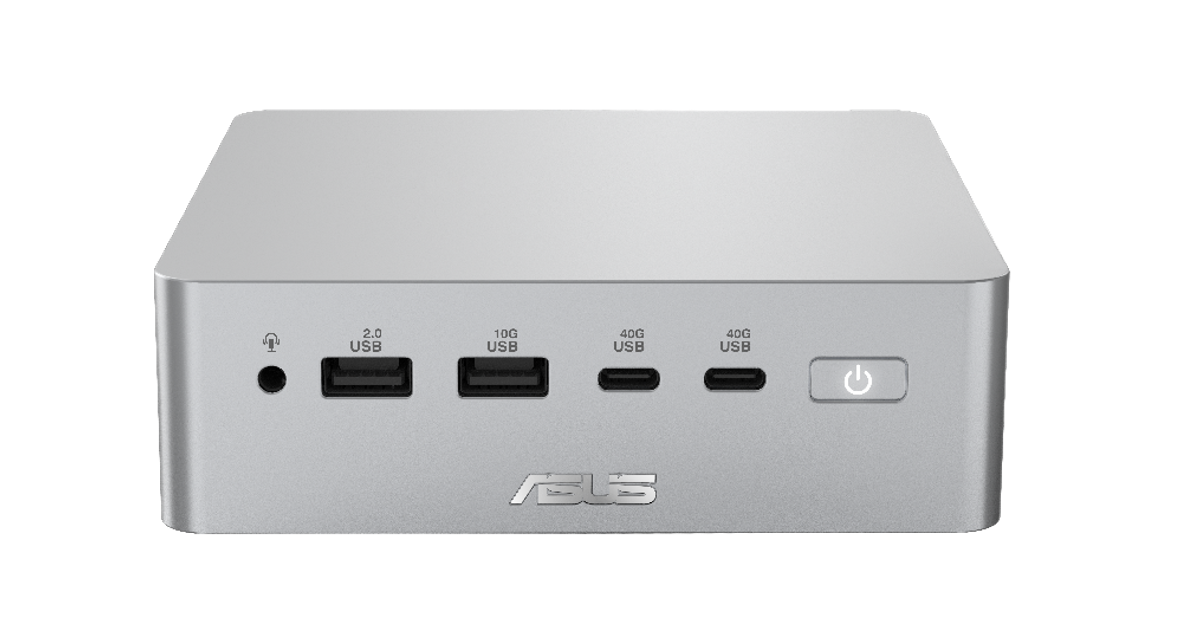
| Form Factor | Mini PC |
| Target Use | Local AI inference, LLM development |
| Announced | COMPUTEX 2026 |
| Availability | TBA |
| Price | $2,000+ (estimated) |
How it stacks up
| Product | Price | Key spec | Verdict |
|---|---|---|---|
| MSI EdgeMesa N AI+ | $2,000+ (est.) | 128 GB unified, RTX Spark N1X | Wait for reviews |
| Apple Mac Studio M2 Ultra | $3,999 | 192 GB unified, 24-core GPU | Proven but pricey |
| Custom Ryzen 9 + RTX 4090 Build | $3,500+ | Discrete 24 GB VRAM, upgradable | More flexibility |
What MSI Is Promising
MSI unveiled the EdgeMesa N AI+ at COMPUTEX 2026, positioning it as a compact solution for developers and researchers running large language models locally. The standout spec is 128 GB of unified LPDDR5X memory paired with NVIDIA's RTX Spark N1X chip, a new architecture designed specifically for AI inference workloads. In theory, this unified memory approach eliminates the bottleneck of shuttling data between system RAM and discrete GPU VRAM, a problem that plagues traditional desktop setups when working with 70B+ parameter models.
The mini PC form factor is clearly aimed at professionals who need serious compute power but lack the desk space or noise tolerance for a full tower workstation. MSI claims the EdgeMesa N can handle local inference for models that would typically require cloud resources or expensive workstation GPUs. That's an appealing pitch if you're tired of API rate limits or concerned about sending proprietary data to third-party services.
The RTX Spark N1X Question
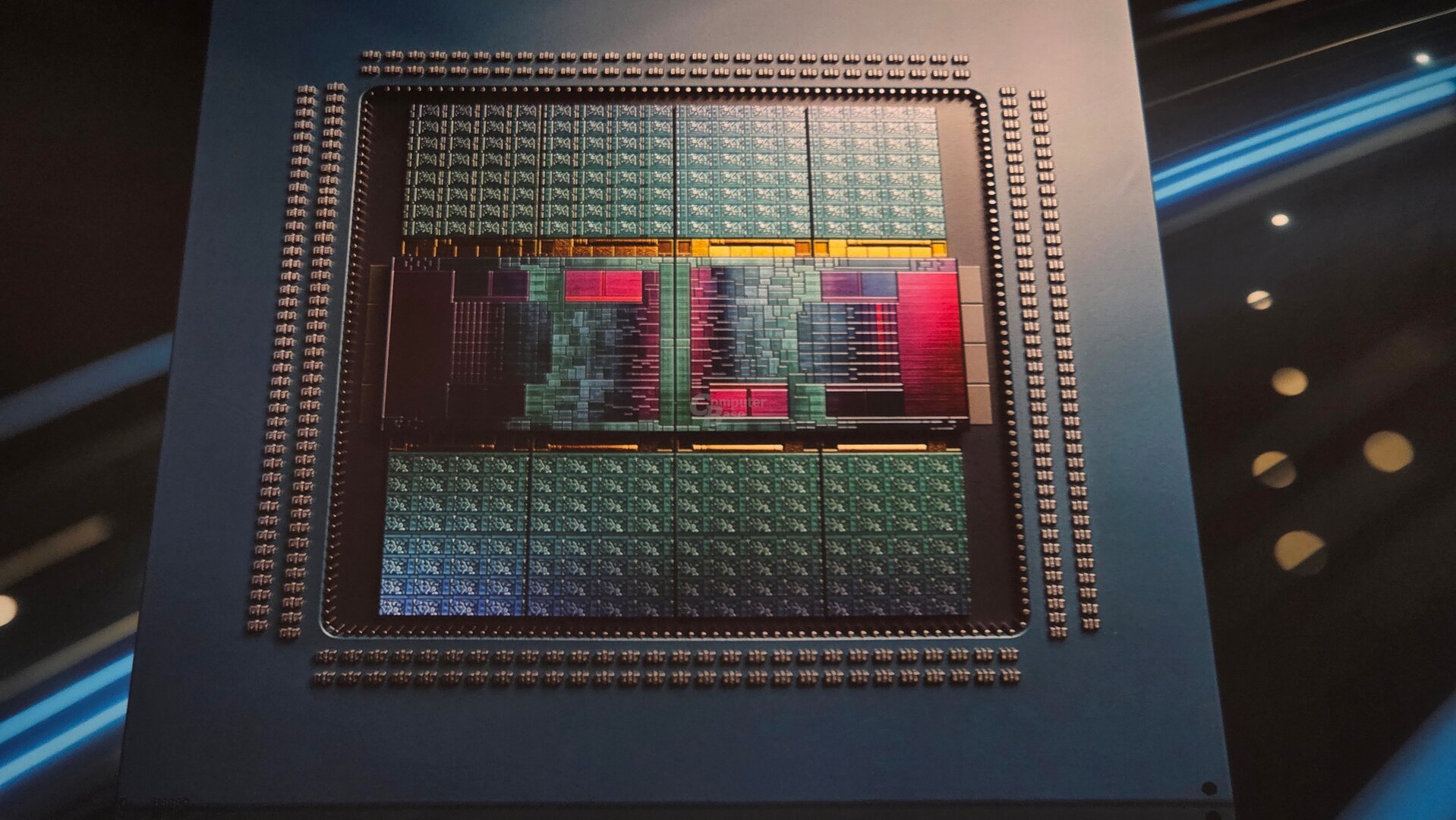
NVIDIA's RTX Spark N1X is the wild card here. As a new chip announced alongside this system, we have zero independent benchmarks confirming its real-world performance against established alternatives like the RTX 4090 or Apple's M-series chips. NVIDIA positions Spark as purpose-built for AI inference rather than gaming or general compute, which suggests architectural tradeoffs we can't evaluate yet.
The unified memory design is theoretically advantageous for AI workloads. When running a 70B parameter model, you need the entire model loaded into memory accessible by the compute cores. With a discrete GPU setup, you're constantly moving data across the PCIe bus. Unified memory sidesteps that bottleneck entirely. Apple's proven this works with their M-series chips, but those systems come with locked ecosystems and premium pricing. MSI's approach could offer similar benefits with more software flexibility, assuming the thermal design doesn't throttle performance.
Thermal Reality Check
Here's where skepticism is warranted. Cramming 128 GB of LPDDR5X and a powerful AI-focused chip into a mini PC chassis raises immediate thermal questions. MSI has historically struggled with cooling in their compact systems, and AI inference workloads generate sustained heat rather than the burst loads typical of gaming. If the EdgeMesa N thermal-throttles during extended inference runs, that unified memory advantage evaporates quickly.
We need to see independent testing showing sustained performance under realistic AI workloads, ideally multi-hour inference sessions with models like LLaMA 3 70B or Mixtral 8x22B. Marketing materials showing peak performance numbers mean nothing if the system drops to 60% throughput after 20 minutes under load.
| Component | Specification |
|---|---|
| Chip | NVIDIA RTX Spark N1X |
| Memory | Up to 128 GB LPDDR5X unified |
| Form Factor | Mini PC |
| Target Workload | Local AI inference, LLM development |
| Availability | TBA (announced June 2026) |
What You Could Buy Instead
At an estimated $2,000+ price point, the EdgeMesa N faces stiff competition. Apple's Mac Studio with M2 Ultra starts at $3,999 with 192 GB unified memory and has years of proven thermal performance and software optimization for AI workloads. You'll pay more upfront, but you're buying known quantities. The ecosystem lock-in is real, though, if you need CUDA-specific tools or prefer Linux.
A custom desktop build with a Ryzen 9 7950X and RTX 4090 costs around $3,500 but gives you 24 GB of proven VRAM, upgradability, and compatibility with every AI framework. You sacrifice the unified memory architecture and gain a much larger footprint, but thermal headroom is excellent with proper case selection. For developers who also need gaming or video editing capabilities, the flexibility matters.
The middle ground is NVIDIA's own DGX Station A100, which sits around $6,000 used. Overkill for most individual developers, but it's purpose-built for AI with validated thermal design and established software support. If you're running inference as a core business function rather than side projects, the reliability premium may be worth it.
| System | Price | Memory | Best For |
|---|---|---|---|
| MSI EdgeMesa N AI+ | $2,000+ (est.) | 128 GB unified | Compact AI inference (unproven) |
| Mac Studio M2 Ultra | $3,999 | 192 GB unified | Proven performance, macOS users |
| Custom Ryzen 9 + RTX 4090 | $3,500 | 24 GB VRAM | Flexibility, upgradeability |
| DGX Station A100 (used) | $6,000 | 320 GB system + 40 GB HBM2 | Professional AI workloads |
The Software Stack Mystery
MSI has been silent on what software ships with the EdgeMesa N. For an AI-focused system, this matters enormously. Does it come with optimized drivers for popular frameworks like PyTorch and TensorFlow? Are there pre-configured environments for common LLM tools like llama.cpp or vLLM? Or are buyers expected to handle the entire software stack themselves?
Apple's advantage with the Mac Studio is that Metal Performance Shaders and MLX are deeply integrated and well-documented. NVIDIA's CUDA ecosystem is mature but can be finicky to configure, especially for unified memory architectures that deviate from their standard discrete GPU model. If MSI just ships a Windows install and expects users to figure out optimal configurations for the RTX Spark N1X, that's a significant hidden cost in time and expertise.
Who This Is Actually For
If the EdgeMesa N delivers on its promises and ships below $2,500, it could be ideal for AI researchers and developers who need to run 30B to 70B parameter models locally but can't justify a $4,000+ Mac Studio or don't want the ecosystem lock-in. The compact form factor suits home offices or labs with limited space. The unified memory architecture genuinely solves a real problem for AI workloads, assuming thermal design doesn't sabotage it.
However, the lack of independent validation, unclear pricing, and unknown availability date make this a definite wait-and-see. MSI's track record with first-generation products in new categories is mixed. The RTX Spark N1X is unproven silicon with no public benchmarks. Buying based on marketing specs alone is a gamble.
The Verdict
The MSI EdgeMesa N AI+ addresses real pain points in local AI development with its unified memory architecture and compact form factor. On paper, 128 GB of unified LPDDR5X memory paired with an AI-optimized chip could deliver excellent value compared to Mac Studio or custom builds. In practice, we need to see thermal performance, real-world inference benchmarks, actual pricing, and software stack details before recommending it.
For developers shopping today, established alternatives like the Mac Studio or a custom RTX 4090 build offer known performance and proven reliability. If you're specifically targeting local LLM work and the compact form factor appeals, put the EdgeMesa N on your watchlist but don't pre-order. Wait for independent reviews confirming it doesn't thermal-throttle and that NVIDIA's software support for the Spark architecture is mature. The potential is there, but so are the unknowns.
Get it if
AI developers and researchers who need to run 30B-70B parameter models locally, want a compact form factor, and are willing to wait for independent validation of thermal and performance claims.
Skip it if
You need proven performance today, can't tolerate thermal throttling risk, require established software ecosystems, or need your system for production workloads where reliability is critical.
$2,000+ (estimated)
Affiliate links support the site at no cost to you.